These 8 Strange Old Home Features Explain the Lasting Appeal of the Old Home Aesthetic
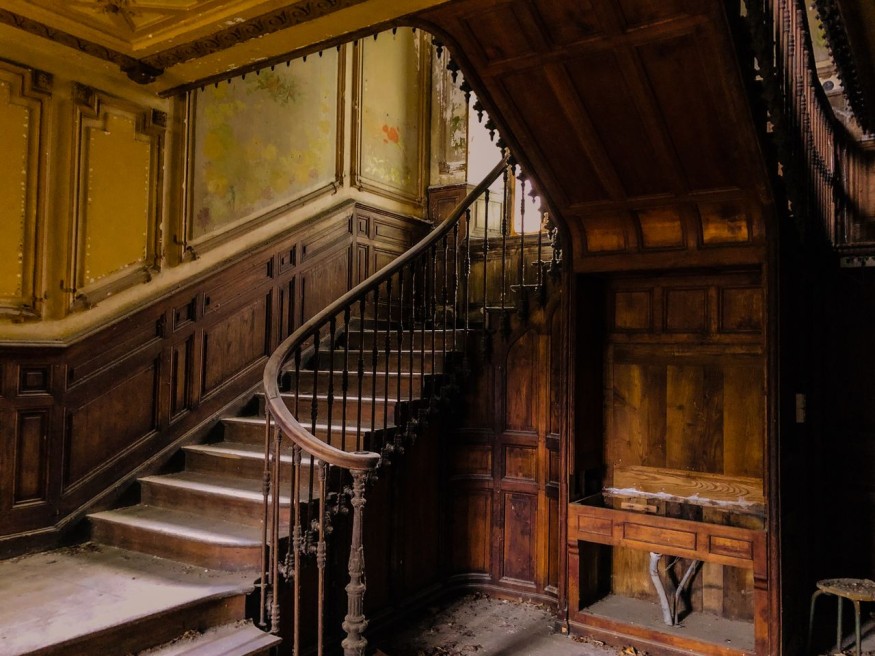
Old homes have a way of telling stories without saying a word. Beyond the ornate moldings, solid wood floors, and handcrafted details, many historic houses still contain unusual architectural features that puzzle modern homeowners. While some appear decorative today, they once served practical purposes that reflected everyday life before modern conveniences.
As interest in the old-home aesthetic continues to grow, more people are discovering the charm hidden within these forgotten spaces. Many of these vintage designs are being restored rather than removed, offering a glimpse into how families once lived, worked, and entertained.
Here are eight fascinating features you'll only find in many older homes, along with the surprising reasons they existed.
1. Milk Doors
Before supermarkets became common, many households received fresh milk delivered directly to their doorstep. Instead of leaving bottles outside, builders installed small exterior compartments called milk doors.
These tiny access doors allowed delivery workers to leave dairy products inside an insulated cubby without entering the home.
Common uses included:
- Receiving milk, butter, and cream
- Protecting food from weather and animals
- Allowing deliveries while homeowners were away
Today, many homeowners transform these compartments into decorative storage or preserve them as charming reminders of a different era.
Read more: Open the Door to Good Chi: Feng Shui Entryway Ideas That Fill Your Home With Positive Energy
2. Telephone Niches
Long before smartphones, families typically shared one household telephone. Rather than placing it on a table, many homes featured built-in wall niches designed specifically for the family's phone.
These recessed shelves often included:
- A small surface for the telephone
- Space for a phone directory
- A stool or chair nearby for long conversations
Many restored homes now use these niches as display shelves for artwork, plants, or collectibles while preserving their original character.
3. Sleeping Porches
Fresh air was once believed to be essential for good health. As a result, many homes built during the early twentieth century included screened sleeping porches.
Families often slept outdoors during warmer months to stay cool before air conditioning became widely available.
Sleeping porches provided:
- Better airflow during hot weather
- Protection from insects through screened walls
- A relaxing place to rest during the day
Today, homeowners often convert these spaces into sunrooms, reading areas, or cozy lounges while maintaining their historic appearance.
4. Butler's Pantries
A butler's pantry served as a transition space between the kitchen and dining room. While many associate them with grand estates, they were surprisingly common in upper-middle-class homes.
These compact rooms helped keep formal meals organized while hiding kitchen activity from guests.
Typical features included:
- Cabinets for fine china
- Storage for silverware and serving dishes
- Countertops for food preparation
- Extra pantry storage
Modern designers have revived this classic feature because it adds both storage and elegance. Many contemporary homes inspired by vintage designs include updated versions with coffee stations or wine storage.
5. Picture Rails
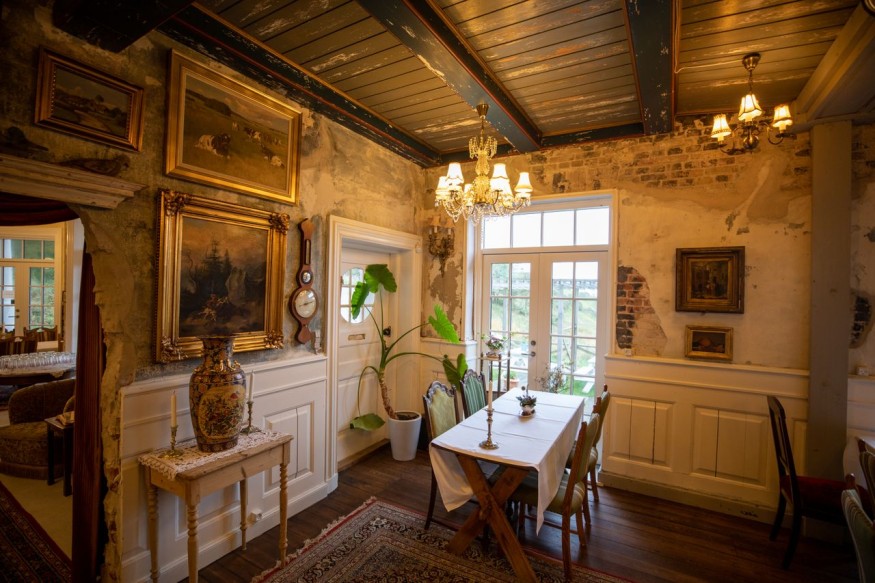
Instead of driving nails into plaster walls, homeowners once hung artwork from picture rails installed just below the ceiling.
Hooks and decorative cords allowed paintings to be rearranged without damaging delicate walls.
Benefits included:
- Easy repositioning of artwork
- Protection for plaster surfaces
- Decorative architectural detail
Many preservationists encourage keeping original picture rails because they contribute to the authentic old home aesthetic while remaining practical today.
6. Laundry Chutes
Carrying heavy baskets down several flights of stairs was once a daily chore. Laundry chutes offered a simple solution by allowing dirty clothes to travel directly from upper floors to the basement laundry room.
Their advantages included:
- Less carrying between floors
- Faster household chores
- Better organization of laundry
Although newer homes rarely include them due to evolving building standards and safety concerns, many historic houses still have functioning chutes that owners carefully maintain.
7. Root Cellars
Before electric refrigerators became standard, root cellars helped families preserve food naturally.
Built partially underground, these cool, dark spaces maintained stable temperatures year-round.
Foods commonly stored included:
- Potatoes
- Carrots
- Apples
- Onions
- Squash
- Homemade preserves
Growing interest in sustainable living has renewed appreciation for root cellars, especially among homeowners seeking traditional food storage methods.
8. Skeleton Keyholes and Mortise Locks
Many antique doors feature ornate keyholes that no longer fit modern locks. These openings were part of mortise locking systems operated with skeleton keys.
Beyond providing security, these locks reflected exceptional craftsmanship.
Many original systems featured:
- Decorative brass or iron hardware
- Intricately designed keyholes
- Durable internal lock mechanisms
- Handcrafted metal keys
Collectors and restoration experts often consider original door hardware one of the most valuable architectural details in historic homes.
Why These Vintage Home Features Still Matter Today
Many of these unusual spaces disappeared simply because technology changed. Refrigerators replaced root cellars, smartphones eliminated telephone niches, and central air conditioning made sleeping porches less necessary.
Even so, homeowners continue to embrace the old-home aesthetic because these architectural details add personality that is often difficult to replicate in newer construction.
Historic features offer benefits that extend beyond appearance.
- They showcase skilled craftsmanship.
- They reveal how families adapted to everyday life.
- They increase architectural character.
- They help preserve local history.
- They inspire modern renovations that blend old and new.
Rather than removing these details, many renovators now incorporate them into updated floor plans, allowing homes to retain their unique identity while meeting modern needs.
Why the Old Home Aesthetic Continues to Inspire Modern Homes
The enduring appeal of historic houses lies in their thoughtful craftsmanship and distinctive character. From milk doors and laundry chutes to picture rails and butler's pantries, these forgotten features reveal how architecture once solved everyday challenges with creativity and purpose. As interest in the old home aesthetic grows, homeowners are finding new ways to preserve these vintage designs, proving that some of the most unusual details from the past still have a meaningful place in today's homes.
Frequently Asked Questions
1. Why do old homes have so many unusual architectural features?
Many older homes were built before modern appliances and technology existed. Features like root cellars, milk doors, and sleeping porches addressed everyday needs using the building methods and lifestyle of the time.
2. Are these historic home features worth preserving?
Yes. Original architectural details often enhance a home's character, historical significance, and appeal. Preserving them can also maintain the authenticity of older properties.
3. Can vintage designs work in modern homes?
Absolutely. Many homeowners incorporate elements such as butler's pantries, picture rails, and traditional hardware into new construction to create timeless interiors with added functionality.
4. How can homeowners identify original features in an old house?
Original blueprints, local historical records, and professional home inspections can help identify authentic architectural details. Many restoration experts can also determine whether features are original or later additions.


Little Greene Names Marle Its 2027 Color of the Year, a Warm Brown Made for Cozy Homes

Tyler Perry's 22.5-Acre Beverly Hills Estate Hits the Market for $57 Million

Farrow & Ball's New Heritage Wallpapers Bring Historic Patterns Into Modern Homes

Want a Brighter Room? 7 Designer Tricks That Don't Involve Repainting

Renovating a Bathroom? Designers Say to Fix This Before Anything Else


