Grow More in Less Space with Vertical Garden Ideas and Creative Wall Garden Design
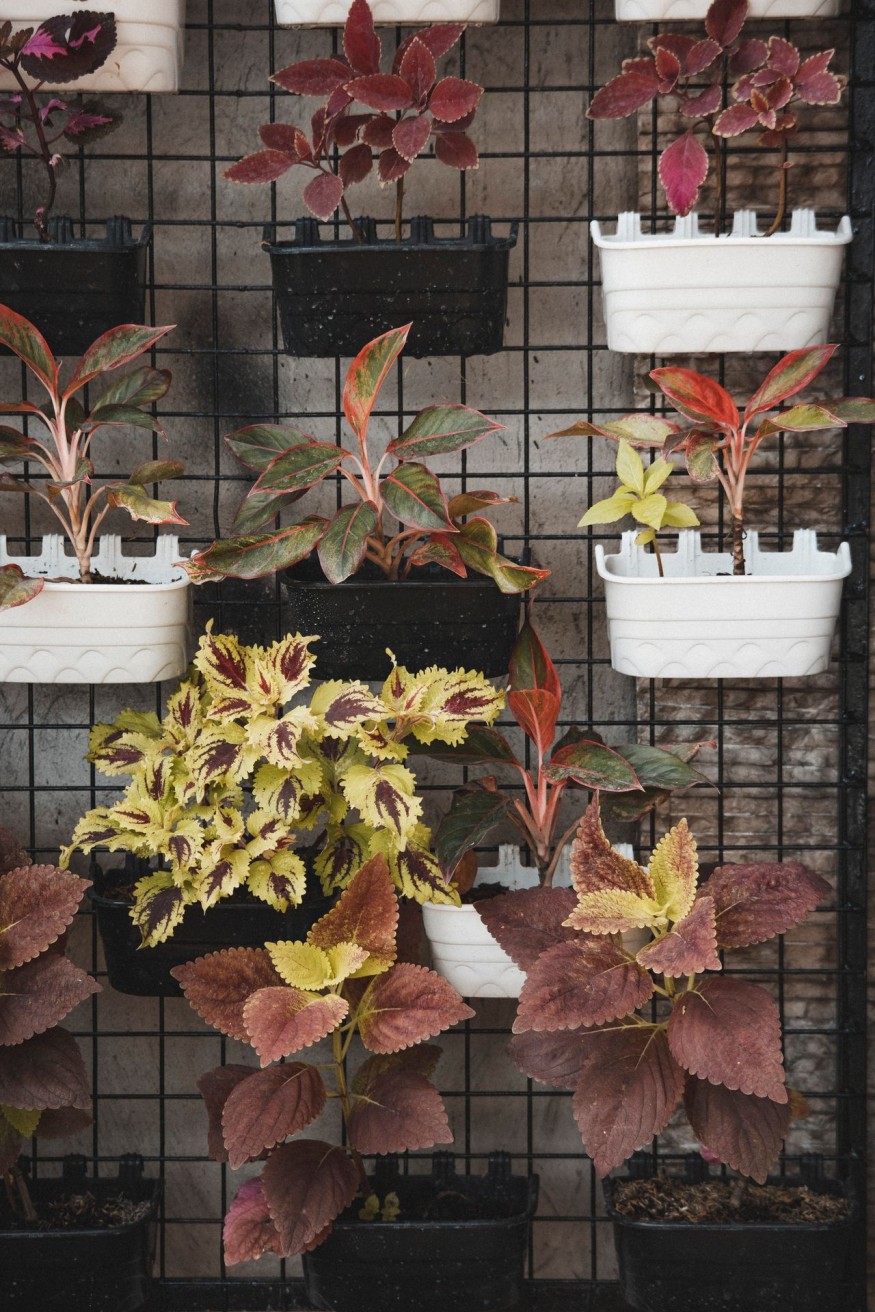
Limited outdoor space no longer means giving up on a thriving garden. Vertical gardening has become one of the most practical ways to maximize growing areas while adding visual interest to homes, balconies, patios, and even indoor spaces. By using walls, trellises, shelves, and hanging systems, gardeners can grow herbs, vegetables, flowers, and ornamental plants without requiring a large footprint.
Whether the goal is fresh produce, decorative greenery, or a combination of both, these vertical garden ideas offer creative solutions for making the most of every square foot.
What Is a Vertical Garden and How Does It Work?
A vertical garden is a planting system that allows plants to grow upward rather than spread across the ground. Instead of relying solely on traditional garden beds, vertical gardens use structures such as wall-mounted planters, trellises, stacked containers, and hanging pockets.
This approach is especially useful for urban homes, apartments, and compact yards where space is limited. In addition to saving room, vertical gardens can improve accessibility and create a striking focal point in outdoor and indoor environments.
Why Vertical Gardens Are Ideal for Small Spaces
For homeowners working with limited square footage, vertical gardening provides several advantages:
- Makes use of unused wall and fence space
- Keeps walkways and patios clear
- Simplifies harvesting and maintenance
- Creates a lush appearance without overcrowding
- Supports a wider variety of plants in a compact area
These benefits make small garden vertical planting an attractive option for gardeners of all experience levels.
Best Vertical Garden Ideas for Every Home
Vertical gardens come in many forms, making it easy to find a solution that matches available space and design preferences.
Hanging Pocket Gardens
Fabric or felt pocket planters can be attached to fences, walls, or balcony railings. These systems work particularly well for herbs, lettuce, strawberries, and flowering plants. Their lightweight construction makes them suitable for renters and homeowners alike.
Trellis Vegetable Gardens
Many edible plants naturally grow upward when given support. Trellises provide a simple framework for:
- Cucumbers
- Pole beans
- Peas
- Tomatoes
- Passion fruit vines
Growing vegetables vertically can improve airflow around plants and make harvesting easier.
Ladder and Shelf Gardens
Repurposed ladders and tiered shelving units create multiple planting levels in a small footprint. This design is ideal for displaying potted herbs, succulents, and seasonal flowers while adding visual depth to outdoor spaces.
Stackable Planter Towers
Planter towers allow multiple layers of plants to grow within a compact area. They are especially useful for herbs, leafy greens, and compact flowering plants.
Wall Garden Design Ideas That Blend Beauty and Function
A thoughtful wall garden design can transform a plain surface into a living feature. Whether indoors or outdoors, plant walls introduce texture, color, and natural appeal.
Modern Living Walls
Living walls use modular planting systems attached directly to vertical surfaces. Clean lines and organized plant arrangements complement contemporary architecture and minimalist outdoor spaces.
Popular plant choices include:
- Ferns
- Philodendrons
- Pothos
- Peace lilies
- Moss varieties
Rustic Wooden Wall Gardens
Wooden pallet gardens offer a charming and budget-friendly solution. The natural texture of reclaimed wood pairs well with cottage gardens and farmhouse-inspired spaces.
Privacy Garden Walls
Vertical gardens can also function as natural privacy screens. Dense climbing plants grown along fencing or support structures help create a secluded atmosphere while enhancing outdoor aesthetics.
Small Garden Vertical Planting Techniques
Successful small garden vertical planting involves more than simply placing plants on a wall. Careful planning ensures healthy growth and long-term success.
Choose the Right Plants
Not all plants thrive in vertical systems. Suitable options include:
- Herbs such as basil and mint
- Leafy greens like spinach and lettuce
- Climbing vegetables
- Strawberries
- Compact flowering annuals
Selecting plants based on sunlight and moisture requirements helps maintain a healthy garden.
Make Use of Existing Structures
Fences, railings, pergolas, and exterior walls can all serve as vertical growing spaces. Repurposing existing structures often reduces installation costs while maximizing available room.
Layer Plants Strategically
Position larger plants lower on the structure and place smaller varieties near the top. This arrangement helps prevent shading and promotes even growth.
Living Wall DIY Projects for Beginners
A living wall DIY project can be an enjoyable way to personalize a home garden while staying within budget.
DIY Pallet Living Wall
Wooden pallets remain one of the most popular vertical gardening materials. After securing landscape fabric to the back and bottom of the pallet, gardeners can fill the openings with soil and suitable plants.
This project works well for:
- Herbs
- Succulents
- Lettuce
- Decorative foliage plants
PVC Pipe Vertical Garden
PVC pipes can be modified with planting openings and mounted vertically or horizontally. This system is particularly effective for herbs and strawberries.
Recycled Bottle Gardens
Plastic bottles can be cleaned, cut, and suspended from walls or fences. This affordable method encourages creative design while reducing waste.
Basic Installation Tips
Before starting any living wall DIY project, consider the following:
- Ensure adequate drainage
- Verify wall strength and support
- Select weather-resistant materials
- Provide easy access for watering and maintenance
Planning these details early can help prevent common gardening challenges.
How to Maintain a Healthy Vertical Garden
Vertical gardens often require slightly different care compared to traditional garden beds.
Watering Considerations
Plants positioned higher on a structure may dry out faster than those below. Regular monitoring is essential, especially during warm weather.
Many gardeners choose drip irrigation systems because they:
- Deliver water efficiently
- Reduce runoff
- Save time
- Promote consistent moisture levels
Pruning and Plant Training
Climbing plants benefit from regular guidance and trimming. Pruning encourages healthy growth while maintaining the desired shape and appearance of the garden.
Fertilization
Container-based vertical gardens often require more frequent feeding because nutrients can wash away over time. Slow-release fertilizers and compost additions help support long-term plant health.
Creating More Growing Space With Vertical Gardening
Vertical gardening offers a practical solution for maximizing limited areas while enhancing the visual appeal of homes and outdoor spaces. From simple hanging planters to elaborate living walls, these systems allow gardeners to grow a wider range of plants without expanding their footprint. By combining thoughtful wall garden design, effective small garden vertical planting techniques, and creative living wall DIY projects, even the smallest spaces can become productive and beautiful green retreats.
Frequently Asked Questions
1. What plants grow best in a vertical garden?
Herbs, lettuce, spinach, strawberries, peas, beans, cucumbers, and many ornamental flowers perform well in vertical gardening systems. Climbing plants are especially suitable because they naturally grow upward.
2. Is vertical gardening suitable for beginners?
Yes. Many vertical garden ideas are beginner-friendly, including pocket planters, pallet gardens, and simple trellis systems. Starting with low-maintenance plants can make the process easier.
3. How often should a vertical garden be watered?
Watering frequency depends on climate, plant type, and container size. Vertical gardens often dry out faster than traditional beds, so regular monitoring is important.
4. Can a living wall be installed indoors?
Yes. Indoor living walls are popular in homes and offices. Selecting plants that thrive in indoor conditions and providing proper lighting are key to success.


Is Your Wall Paint Looking Dull? Here's Why It Happens and How to Bring Your Walls Back to Life

Inside Madrid's Brand-New F1 Circuit: The Designer Explains the Dramatic Ideas Behind the Madring

MAD's Lucas Museum Is Set to Open in Los Angeles on September 22

Paris Design Week 2026 Is Underway and Is Bringing New Energy to the Design Scene

Glidden's New 2027 Color of the Year Makes a Strong Case for Smoky Blue


