St Kilda Pier Triumphs at Architecture Awards with a Fresh Vision for Victorian Architecture
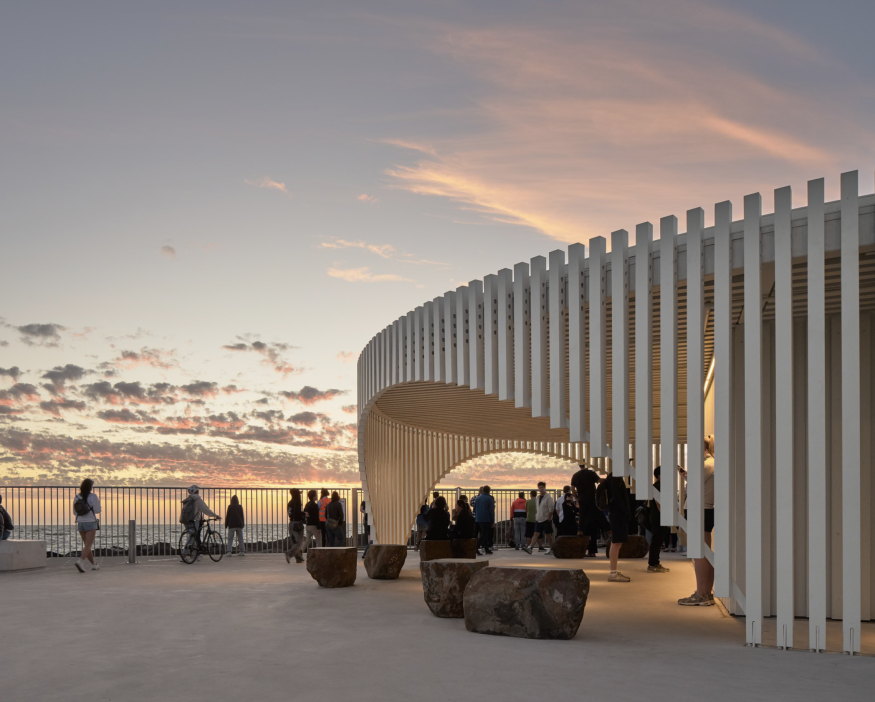
The redevelopment of St Kilda Pier has earned one of the highest honors in Australian design, reinforcing its place as a standout example of contemporary Victorian architecture. At the 2026 Victorian Architecture Awards, the reimagined waterfront landmark received the Victorian Architecture Medal, the most prestigious award presented by the Australian Institute of Architects' Victorian chapter. The project also secured the Dimity Reed Melbourne Prize and the Joseph Reed Award for Urban Design.
Designed by Jackson Clements Burrows Architects in collaboration with Site Office Landscape Architecture and AW Maritime, the $53 million redevelopment has attracted attention for its ability to balance infrastructure, public access, environmental protection, and civic identity. Judges described the project as "playful, social and deeply civic," highlighting its success in transforming a piece of essential infrastructure into a vibrant public destination.
Why the St Kilda Pier Redevelopment Stood Out
Architecture awards often recognize projects that solve complex challenges while improving everyday life. The St Kilda Pier redevelopment achieved both goals.
Located on Melbourne's iconic waterfront, the pier serves a diverse range of users, including local residents, tourists, fishers, ferry passengers, marina users, and visitors who come to observe the area's famous little penguin colony. The redesign had to accommodate these competing interests while preserving the environmental integrity of the site. According to the awards jury, the project successfully balanced these demands without sacrificing design quality.
The result is a public space that feels welcoming and functional while remaining sensitive to its coastal setting. This combination of practicality and design excellence helped distinguish the project among this year's architecture awards contenders.
A New Chapter in Victorian Architecture
The recognition of St Kilda Pier reflects broader trends shaping Victorian architecture. Recent award-winning projects across the state have emphasized sustainability, adaptive reuse, community engagement, and human-centered design. Rather than focusing solely on iconic structures, architects are increasingly creating places that encourage interaction and strengthen public life.
St Kilda Pier embodies this shift. The redevelopment demonstrates how civic infrastructure can become more than a functional necessity. It can also serve as a gathering place, a recreational destination, and a symbol of local identity.
Jury chair Simon Knott noted that many of the year's strongest projects moved beyond purely utilitarian requirements to prioritize human experience and community connection. The pier was recognized as one of the clearest examples of this approach.
Design Features That Earned Industry Praise
Several architectural and urban design elements contributed to the project's success.
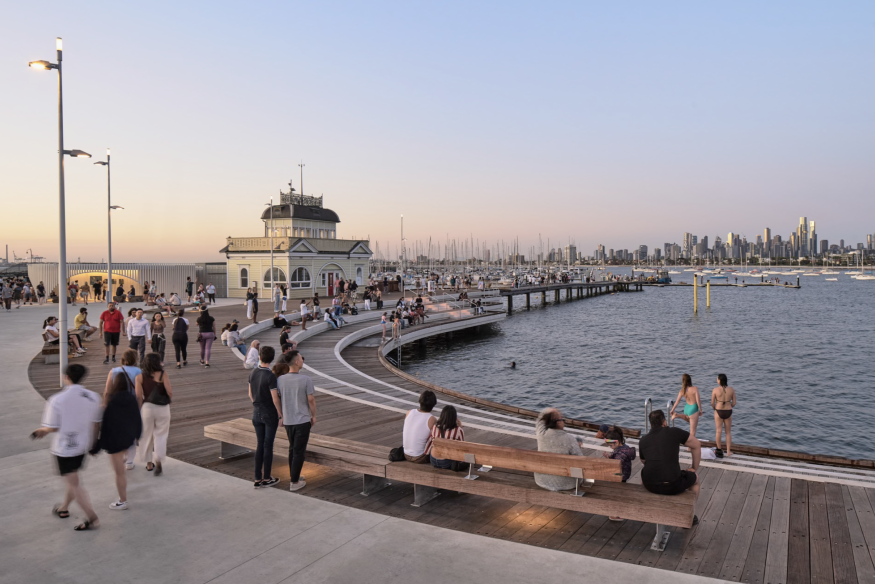
The redevelopment introduced a curved boardwalk that improves movement through the site while offering expanded views of Port Phillip Bay. Increased public space, tiered seating, improved amenities, and enhanced accessibility have made the waterfront more welcoming for visitors of all ages and abilities.
One of the most celebrated additions is the upgraded penguin viewing platform. The design allows visitors to observe the little penguins while minimizing disruption to the colony's habitat. This careful integration of environmental stewardship and public enjoyment became a defining feature of the project.
The pier also incorporates climate resilience measures. Slight elevation adjustments and coastal adaptation strategies help prepare the structure for changing environmental conditions, ensuring its long-term viability as a public asset.
How Architecture Awards Reflect Changing Priorities
The success of St Kilda Pier highlights evolving priorities within architecture awards programs.
Historically, many prestigious awards celebrated landmark buildings and visually striking forms. While aesthetics remain important, recent judging criteria increasingly value social impact, sustainability, accessibility, and public benefit. Projects that improve daily life often receive greater recognition than those designed primarily as architectural statements.
This trend was evident throughout the 2026 Victorian Architecture Awards. Many winning projects focused on adaptive reuse, community revitalization, and environmentally responsible design. The emphasis suggests that architects and urban planners are responding to growing expectations around social and environmental responsibility.
For Victorian architecture, this marks an important evolution. The state's most celebrated projects increasingly combine design excellence with measurable benefits for communities.
Building a More Civic Waterfront
The phrase "deeply civic" became one of the defining descriptions associated with the St Kilda Pier redevelopment. In architectural terms, civic design refers to spaces that strengthen public life and encourage social interaction.
The pier succeeds because it creates opportunities for people to gather, relax, observe nature, and engage with Melbourne's waterfront. Its value extends beyond transportation or recreation. It functions as a shared public space that contributes to the cultural identity of the city.
This approach aligns with broader urban design principles that prioritize inclusivity and accessibility. By creating a destination that serves multiple communities simultaneously, the redevelopment demonstrates how infrastructure can foster a stronger sense of place.
What the Award Means for Future Public Projects
The recognition of St Kilda Pier sends a clear message about the future direction of Victorian architecture and public design. Award-winning projects are increasingly those that blend environmental awareness, civic engagement, and practical functionality.
The pier had already gained national recognition earlier in 2026 through the Australian Urban Design Awards, where it was praised as a resilient and whimsical piece of civic engineering. Its continued success across multiple architecture awards programs suggests that the project has become a benchmark for future waterfront and infrastructure developments.
As cities continue to invest in public spaces, the St Kilda Pier redevelopment offers a compelling example of how thoughtful design can transform essential infrastructure into a place that residents and visitors genuinely value.
St Kilda Pier's Lasting Influence on Victorian Architecture
The award-winning transformation of St Kilda Pier demonstrates how contemporary Victorian architecture is evolving beyond traditional boundaries. By combining environmental sensitivity, community-focused planning, and innovative design solutions, the project has set a new standard for civic infrastructure. Its success in major architecture awards programs reflects a growing appreciation for projects that create meaningful public experiences while addressing practical challenges. As Melbourne continues to shape its waterfront and urban spaces, St Kilda Pier stands as an influential example of architecture that serves both people and place.


Venus Williams' New Crate & Barrel Collection Blends Tennis and Italian Design

8 Smart Ways to Organize a Small Pantry Without Wasting Space

When Is the Best Time to Renovate Your Home? A Seasonal Guide

Little Greene Just Refreshed Its Color Card With 26 New Paint Shades

The Right Way to Clean Outdoor Rugs Before the Next Season


