From ‘The Odyssey’ to Your Home: 5 Ancient Greek Interior Design Ideas That Never Go Out of Style
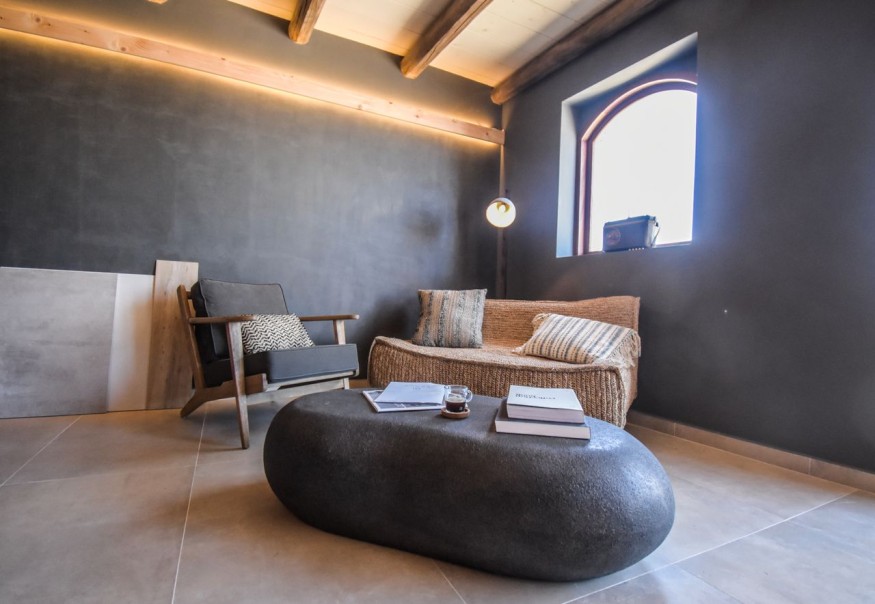
Few design styles have stood the test of time quite like ancient Greek interiors. Long before open concept homes and minimalist aesthetics became popular, Greek homes embraced balance, natural materials, thoughtful craftsmanship, and a deep connection to the outdoors. Those same qualities continue to influence architects and interior designers today.
Renewed interest in "The Odyssey" and other Greek classics has also inspired many homeowners to revisit these enduring design principles. The appeal goes beyond mythology or history. Ancient Greek interior design offers a calm, elegant foundation that feels just as relevant in a modern apartment as it does in a spacious family home.
Rather than recreating an ancient temple, today's interpretation focuses on subtle details that bring warmth, texture, and timeless beauty into everyday spaces. Here are five Greek-inspired home decor ideas that never go out of style.
What Is Ancient Greek Interior Design?
Ancient Greek interior design centers on harmony, simplicity, and proportion. Homes were designed to maximize natural light while using locally sourced materials such as stone, wood, clay, and linen. Decorative elements were intentional rather than excessive, creating interiors that felt both functional and beautiful.
Modern designers continue to borrow these principles because they align naturally with contemporary preferences for uncluttered spaces and organic materials. The result is a home that feels welcoming, sophisticated, and built to last.
Read more: Planning a Move? Discover the 10 Best Cities to Buy a Home Based on New Housing Market Trends
Why Is Greek Inspired Home Decor Still Popular Today?
Many classic design trends eventually fade, but Greek inspired interiors continue to evolve without losing their identity. Their lasting appeal comes from a focus on quality instead of excess.
Key characteristics include:
- Soft neutral color palettes inspired by nature
- Marble, limestone, wood, and handcrafted ceramics
- Symmetrical layouts that create visual balance
- Natural light paired with airy fabrics
- Decorative accents that feel curated instead of crowded
These elements make Greek-inspired home decoreasy to blend with both traditional and contemporary furnishings.
1. Choose a Warm Neutral Color Palette Inspired by Nature
One of the easiest ways to embrace ancient Greek interior design is through color. Greek homes often reflected the surrounding landscape, using shades found in stone, sand, sunlit plaster, and the Mediterranean coast.
Soft whites remain the foundation, while warm beige, cream, taupe, and pale gray add depth without overwhelming a room. Gentle accents of olive green or muted blue introduce color while maintaining a calming atmosphere.
Layering different textures is just as important as selecting the right colors. Linen curtains, woven rugs, textured pottery, and natural wood furniture help create visual interest without relying on bold patterns or bright paint.
2. Decorate With Marble and Natural Materials
Natural materials are at the heart of timeless interior design ideas, and few materials are more closely associated with Greece than marble.
Today, marble does not have to dominate an entire room. A coffee table, fireplace surround, kitchen countertop, or decorative tray can introduce the material in a subtle way. Limestone, travertine, and natural wood offer similarly refined alternatives.
Handmade clay pottery, woven baskets, linen upholstery, and wooden furniture complete the look by adding warmth and authenticity. Together, these materials create interiors that feel grounded and inviting instead of overly polished.
3. Add Classical Architectural Details
Architectural details inspired by ancient Greece can bring character to modern homes without making them feel overly formal.
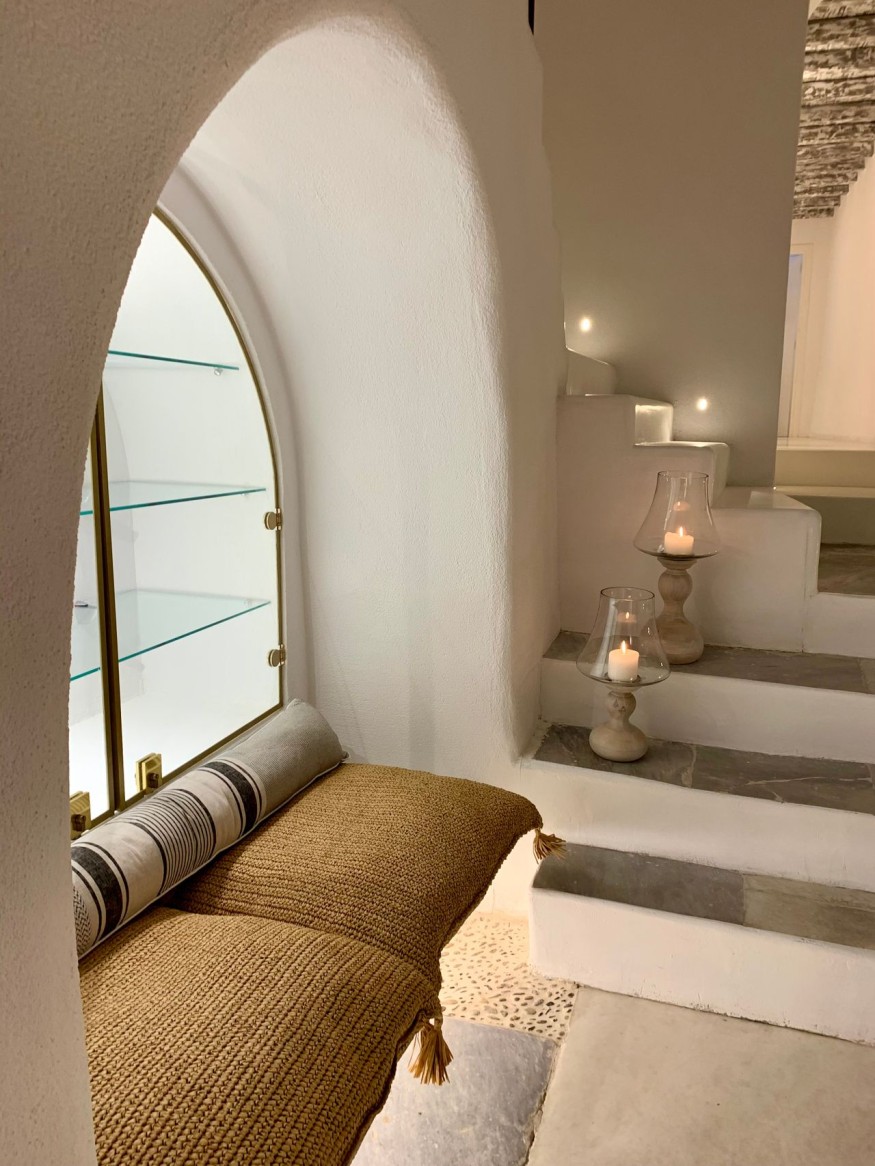
Fluted columns, graceful arches, decorative molding, and recessed wall niches all reference classical architecture while remaining versatile enough for contemporary interiors. Even small updates, such as installing crown molding or displaying artwork within an arched alcove, can introduce a subtle classical influence.
The goal is not to replicate an ancient structure but to borrow architectural elements that contribute to a sense of balance and permanence.
4. Display Handmade Pottery and Sculptural Decor
Greek homes celebrated craftsmanship, making handcrafted accessories an essential part of the overall aesthetic.
Large ceramic vases, textured urns, sculptural bowls, and artisan pottery can serve as statement pieces while maintaining a minimalist appearance. Small marble sculptures or classical busts also work well when used sparingly.
Olive branches placed inside oversized ceramic vessels provide a natural finishing touch that reflects the Mediterranean landscape. Limiting decorative objects helps each piece stand out while preserving the calm atmosphere associated with Greek-inspired home decor.
5. Make Natural Light the Star of Every Room
Light has always played a central role in Mediterranean living, and it remains one of the defining characteristics of ancient Greek interior design.
Large windows, light colored walls, and sheer linen curtains help maximize daylight throughout the home. Reflective materials such as marble and polished stone further enhance brightness by bouncing light around the room.
Indoor plants, especially olive trees, rosemary, or lavender, reinforce the connection between indoor and outdoor living. The result is an interior that feels fresh, open, and relaxing throughout the day.
How Can You Make Ancient Greek Design Feel Modern?
Creating a contemporary interpretation does not require filling a room with columns or mythological artwork. Instead, designers often focus on the underlying principles that have made Greek interiors so enduring.
Pair clean lined furniture with natural stone surfaces. Introduce handcrafted accessories instead of mass produced decor. Keep the color palette restrained while layering rich textures for warmth.
Combining old and new allows homeowners to enjoy the elegance of classical design while maintaining the comfort and functionality expected in modern living.
Bring Ancient Greek Interior Design Into Modern Living
The enduring appeal of ancient Greek interior design lies in its ability to balance beauty with simplicity. By incorporating natural materials, soft neutral colors, thoughtful architectural details, handcrafted accessories, and abundant natural light, homeowners can create spaces that feel elegant without following short lived trends. These Greek-inspired home decor concepts demonstrate that some of the most timeless interior design ideas are rooted in principles that have inspired beautiful homes for centuries.
Frequently Asked Questions
1. What defines ancient Greek interior design?
Ancient Greek interior design emphasizes symmetry, natural materials, neutral colors, handcrafted decor, and spaces filled with natural light.
2. Can Greek inspired home decor work in a modern home?
Yes. Modern homes can incorporate Greek inspired elements through marble accents, earthy color palettes, natural textures, and simple architectural details without creating a themed appearance.
3. Which colors are commonly used in Greek inspired home decor?
White, cream, beige, taupe, soft gray, olive green, and muted blue are commonly used because they reflect the natural Mediterranean landscape.
4. Why are ancient Greek interiors considered timeless?
Their focus on quality materials, balanced proportions, functional layouts, and understated elegance allows them to remain stylish across changing design trends.


Venus Williams' New Crate & Barrel Collection Blends Tennis and Italian Design

Glidden's New 2027 Color of the Year Makes a Strong Case for Smoky Blue

Where Should You Put Your Bed? The Feng Shui Rule That Matters Most

The Small Design Decisions You Keep Ignoring Could Be Hurting Your Decor

No Yard? These Small-Space Succulent Garden Ideas Make the Most of Every Inch


