The New Condé M. Nast Galleries at The Met Transform the Costume Art Exhibition Experience
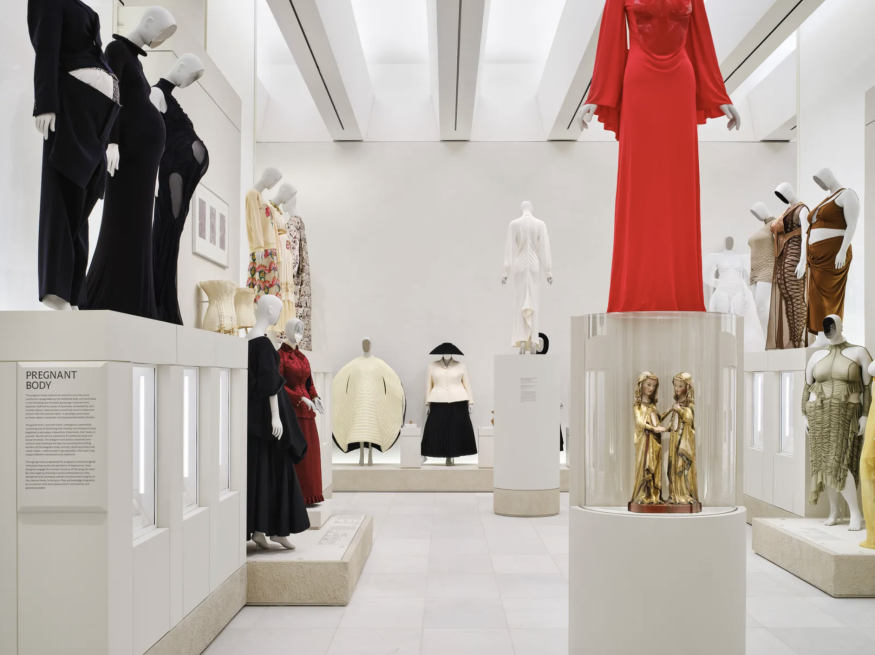
The Metropolitan Museum of Art has opened a significant new space for fashion with the debut of the Condé M. Nast Galleries, marking one of the biggest transformations in the history of its Costume Institute. The nearly 12,000 square foot galleries provide a permanent home for the museum's annual spring fashion exhibitions while reinforcing the growing recognition of fashion as an artistic discipline worthy of museum-scale presentation.
The opening coincides with the launch of "Costume Art," a landmark costume art exhibition that explores how clothing has shaped identity, culture, and artistic expression throughout history. Designed to bring fashion into conversation with paintings, sculpture, and decorative arts, the exhibition signals a fresh direction for one of the world's most influential fashion institutions.
What Are the Condé M. Nast Galleries?
Located adjacent to The Met's iconic Great Hall, the Condé M. Nast Galleries were created to serve as the Costume Institute's new primary exhibition space. The galleries were named in recognition of a major philanthropic gift honoring publishing pioneer Condé Montrose Nast, whose legacy continues through Condé Nast, the parent company of several influential media brands.
The new galleries were designed by New York based architecture firm Peterson Rich Office, led by Miriam Peterson and Nathan Rich. Their approach carefully integrates contemporary exhibition design within The Met's historic architecture, transforming what was once an interior courtyard and, more recently, museum retail space into a sophisticated destination for fashion exhibitions.
Read more: Art Deco Meets Luxury Furniture in Louis Vuitton's New Cocoon Chair at Milan Design Week 2026
Why Did The Met Build a New Home for the Costume Institute?
Fashion exhibitions have become some of The Met's most visited cultural events, attracting audiences well beyond traditional museumgoers. Creating dedicated galleries allows the Costume Institute to present larger, more immersive exhibitions while improving conservation standards and visitor flow.
According to museum leadership, the galleries are intended to host the Costume Institute's annual spring exhibition while also accommodating select exhibitions from other curatorial departments that examine the relationship between fashion and art. This expanded role reflects the museum's long term investment in interdisciplinary storytelling.
How Does "Costume Art" Redefine the Fashion Exhibition?
Rather than presenting garments as standalone objects, "Costume Art" pairs historic and contemporary fashion with artworks spanning thousands of years. The exhibition explores the dressed human body as both a functional necessity and a powerful artistic subject.
Curated by Andrew Bolton, the exhibition examines themes such as identity, gender, aging, pregnancy, and the human form through nearly 400 objects from across The Met's collections. Visitors encounter couture alongside paintings, sculpture, and antiquities, creating visual conversations that encourage fresh interpretations of both fashion and fine art.
The exhibition design also supports this narrative. Dramatic double height galleries, custom mannequins representing diverse body types, carefully controlled lighting, and layered display techniques create an environment where garments and artworks complement rather than compete with one another.
Who Designed the New Exhibition Spaces?
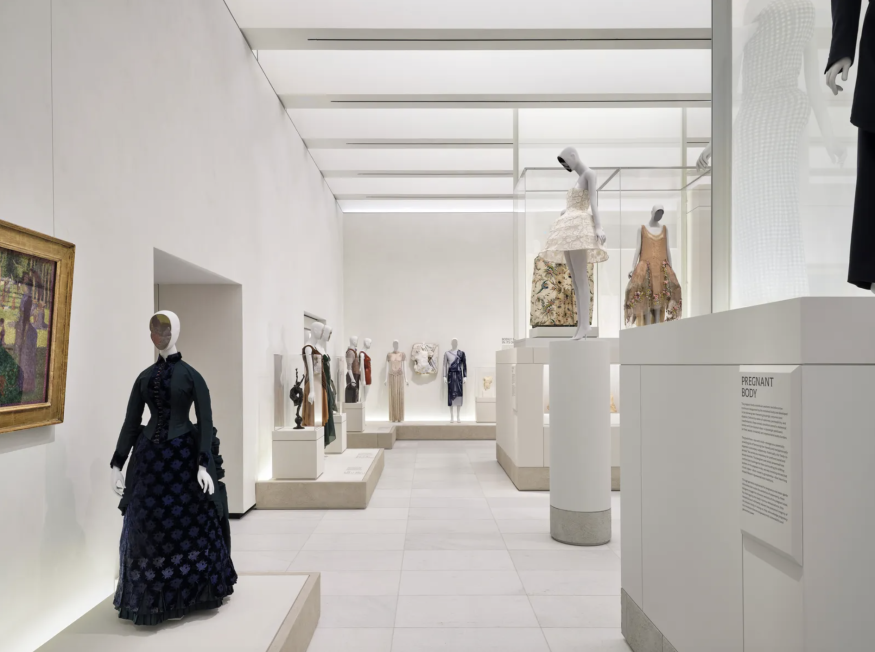
Peterson Rich Office approached the project with an appreciation for The Met's architectural evolution. Since the museum consists of multiple interconnected buildings added over many decades, the architects sought to create galleries that feel like a natural extension of the institution rather than a separate addition.
The result is a sequence of five exhibition rooms that balance monumental scale with intimate viewing experiences. Large oak doors, textured display platforms, soaring vitrines, and subtle architectural details allow curators to adapt the space for exhibitions of varying themes and sizes.
Why the Condé M. Nast Galleries Matter for the Future of Fashion
The opening of the Condé M. Nast Galleries represents more than an architectural milestone. It reflects a broader cultural shift in how museums present fashion as a legitimate art form with historical, social, and creative significance.
For decades, the Costume Institute has produced exhibitions that attract global attention, often culminating in the annual Met Gala. The new galleries provide an enhanced setting where future exhibitions can continue exploring fashion's connections to history, craftsmanship, identity, and visual culture.
The dedicated space also gives curators greater flexibility to experiment with exhibition design while preserving delicate garments under state of the art conservation conditions. This investment ensures that future generations can experience both historic masterpieces and contemporary fashion within a museum environment designed specifically for their display.
The Condé M. Nast Galleries Set the Stage for the Next Generation of Costume Art Exhibitions
The debut of the Condé M. Nast Galleries marks a defining moment for The Met and the future of the costume art exhibition. By combining thoughtful architecture, innovative curation, and a renewed commitment to fashion scholarship, the museum has created a destination that elevates clothing beyond style alone. As upcoming exhibitions continue to explore the relationship between dress, history, and artistic expression, the new galleries are poised to become one of the most important spaces for fashion appreciation anywhere in the world.


Venus Williams' New Crate & Barrel Collection Blends Tennis and Italian Design

8 Smart Ways to Organize a Small Pantry Without Wasting Space

When Is the Best Time to Renovate Your Home? A Seasonal Guide

Little Greene Just Refreshed Its Color Card With 26 New Paint Shades

The Right Way to Clean Outdoor Rugs Before the Next Season


