Neo-Japandi Design: How a Wabi-Sabi Home Embraces Rich Greens and Minimalist Organic Living
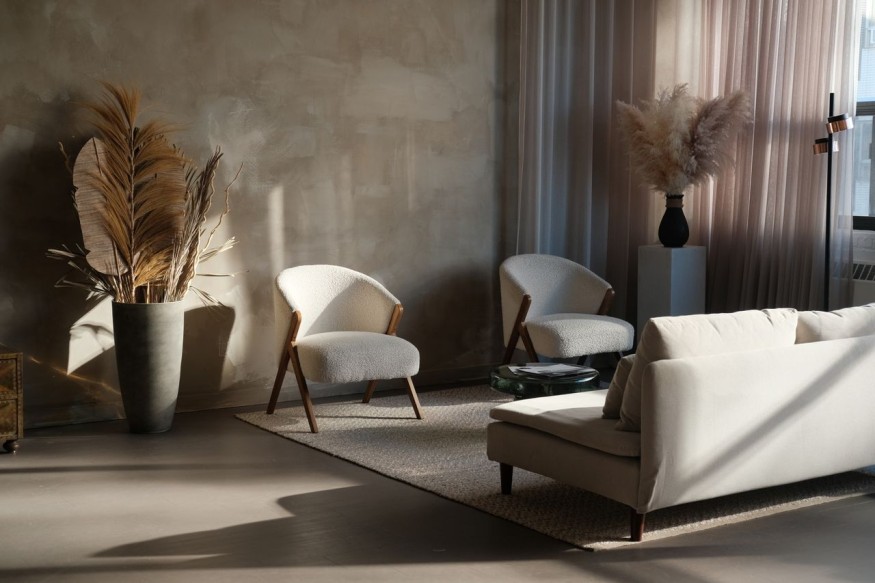
Minimalism has evolved beyond crisp white walls and carefully edited spaces. A fresh interpretation known as Neo Japandi is reshaping interiors by combining the calming principles of Scandinavian simplicity with the soulful character of Japanese craftsmanship. While traditional Japandi favored muted palettes and restrained styling, Neo Japandi introduces richer botanical greens, layered textures, and artisan made pieces that give rooms greater warmth and personality.
At the heart of this movement is the philosophy behind a Wabi-Sabi home, where natural imperfections, handcrafted materials, and meaningful objects are celebrated rather than hidden. Instead of chasing flawless finishes, homeowners are embracing spaces that feel lived in, balanced, and deeply connected to nature. This approach also reflects the growing appeal of minimalist organic design, where simplicity is softened by natural materials, earthy colors, and timeless craftsmanship.
What Is Neo Japandi?
Neo Japandi builds upon the original Japandi style while introducing a stronger connection to nature through deeper colors, richer textures, and more expressive materials. It maintains the clean lines and functional layouts associated with Scandinavian interiors but allows greater flexibility in color, décor, and personal expression.
Unlike highly polished minimalist spaces, Neo Japandi encourages homes to feel inviting rather than perfectly curated. Wood grain, handmade ceramics, textured fabrics, and stone surfaces become focal points instead of background elements. Botanical greens, inspired by forests, moss, olive leaves, and garden landscapes, replace the cool neutrals that once dominated minimalist interiors.
The result is a home that feels peaceful without appearing empty, elegant without becoming formal, and contemporary while still honoring traditional craftsmanship.
Read more: The Best Earthy Color Palette Ideas for a Timeless Neutral Home Style and Rustic Home Interior
What Makes a Wabi Sabi Home Feel Authentic?
A genuine Wabi-Sabi home is not defined by expensive furniture or carefully staged décor. Instead, authenticity comes from embracing materials that develop character over time and choosing objects that tell a story.
Natural wood with visible grain, handmade pottery with slight variations, woven textiles, and stone surfaces all contribute to an atmosphere that feels calm and grounded. Rather than replacing items at the first sign of wear, Wabi Sabi values the beauty that develops through everyday living.
This philosophy also encourages intentional decorating. Every piece serves either a practical purpose or carries emotional meaning, helping reduce unnecessary clutter while creating a stronger connection between the homeowner and the surrounding environment.
Why Botanical Greens Are Defining Neo Japandi Interiors
One of the biggest differences between classic Japandi and Neo Japandi is the introduction of richer natural colors. Botanical greens provide visual depth while maintaining the peaceful atmosphere associated with minimalist interiors.
Forest green cabinetry creates warmth in kitchens without overpowering the room. Sage walls soften bedrooms and living spaces, while olive upholstery pairs beautifully with oak, walnut, and natural linen. Even smaller accents, such as moss colored cushions or ceramic planters, introduce a refreshing connection to the outdoors.
Indoor plants also play an important role. Instead of filling every corner with greenery, Neo Japandi treats plants as sculptural elements. A single mature olive tree, a carefully placed fiddle leaf fig, or a grouping of ferns often creates more impact than an abundance of smaller plants.
The combination of greenery and natural materials produces interiors that feel both restorative and sophisticated.
How to Create a Minimalist Organic Living Space
Designing a minimalist organic room is less about removing everything and more about selecting furnishings with purpose. Every texture, material, and color should contribute to a sense of balance while maintaining visual comfort.
Key principles include:
- Choose solid wood, natural stone, linen, wool, and handcrafted ceramics.
- Layer warm botanical greens with soft neutral shades.
- Invest in fewer pieces that offer lasting quality and timeless appeal.
- Display meaningful artisan objects instead of mass-produced decorations.
- Maximize natural light to highlight textures and organic materials.
Following these ideas helps create interiors that feel calm without becoming cold or overly sparse.
The Materials That Define Neo Japandi
Material selection plays a central role in the Neo Japandi aesthetic. Rather than relying on glossy finishes or synthetic surfaces, this design movement favors authentic materials that reveal texture and craftsmanship.
Oak and walnut remain popular choices for flooring, cabinetry, and furniture because their natural grain adds warmth without overwhelming a room. Limewash walls create subtle movement through soft variations in texture, while travertine introduces quiet elegance to tables, fireplaces, and countertops.
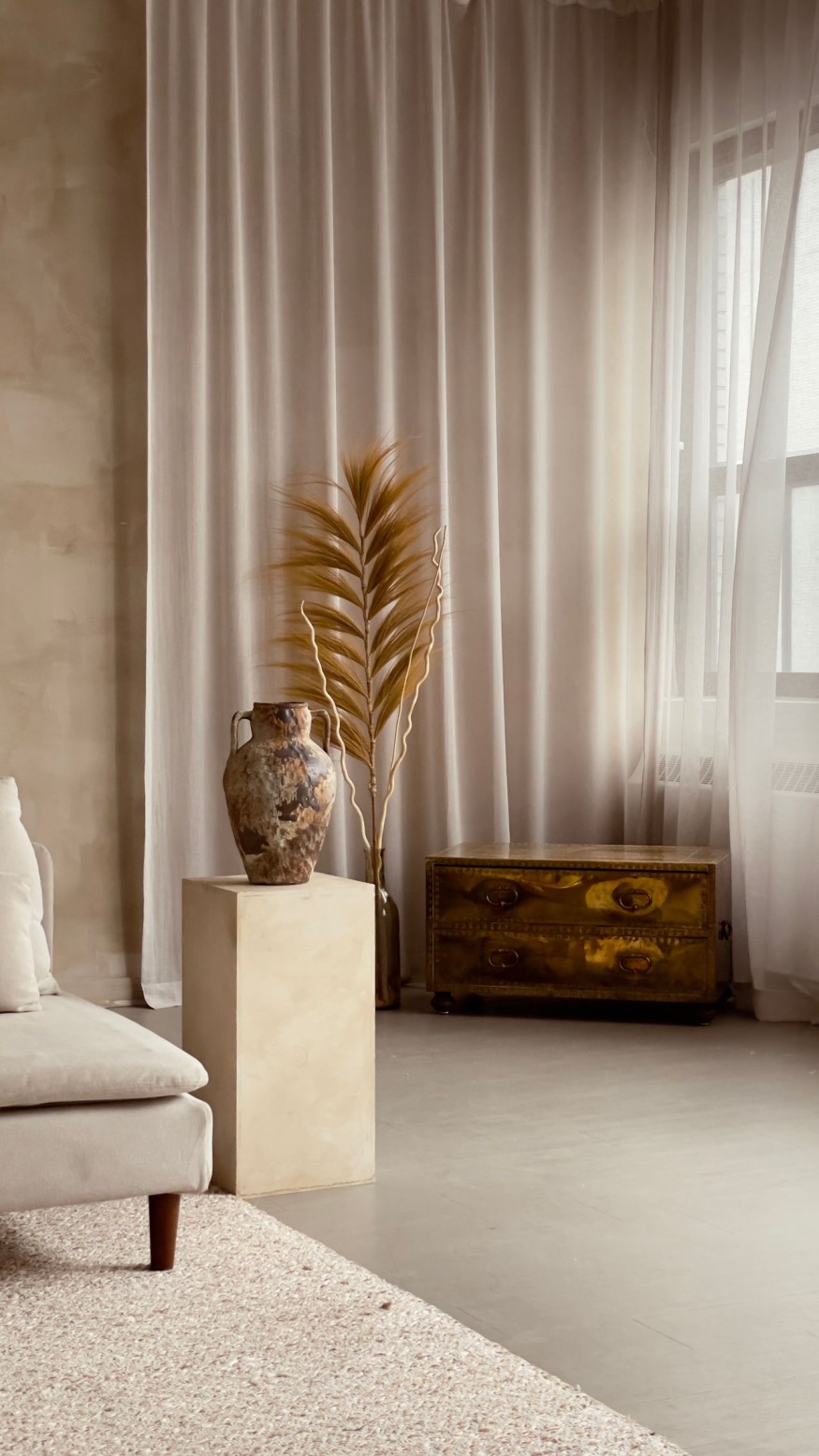
Handmade ceramics bring individuality to shelving and dining tables since no two pieces are exactly alike. Linen curtains filter sunlight gently, creating soft shadows that enhance the peaceful atmosphere. Woven baskets, rattan lighting, and textured wool rugs further reinforce the connection between nature and interior design.
Together, these materials support a home that feels enduring rather than trend-driven.
Can Wabi Sabi and Modern Design Work Together?
Many homeowners wonder whether traditional Japanese philosophy can coexist with contemporary architecture. Neo Japandi demonstrates that these influences complement one another remarkably well.
Modern homes often feature open layouts, large windows, and clean architectural lines. Wabi Sabi introduces warmth through handcrafted details, natural textures, and carefully selected vintage pieces. A sleek dining table may sit beneath a handmade paper pendant light, while contemporary sofas become more inviting with woven throws and artisan pottery nearby.
The emphasis remains on restraint, but not rigidity. Personal collections, handcrafted artwork, and inherited furniture can all contribute to the space when displayed thoughtfully. This balance prevents interiors from feeling either overly minimalist or excessively decorated.
Why Neo Japandi Continues to Inspire Homeowners
Neo Japandi reflects changing attitudes toward home design. Rather than constantly following fast moving decorating trends, many people now seek interiors that encourage relaxation, mindfulness, and lasting comfort.
A Wabi-Sabi home supports slower living by valuing craftsmanship over mass production. The minimalist organicapproach reduces visual noise while encouraging the use of renewable materials and timeless furnishings. Rich botanical greens strengthen the connection between indoor and outdoor environments, creating spaces that feel refreshing throughout every season.
Because Neo Japandi focuses on quality, authenticity, and thoughtful design choices, it remains adaptable to different architectural styles, room sizes, and personal tastes. Whether incorporated into an apartment, a suburban residence, or a countryside retreat, its principles continue to create homes that feel welcoming, balanced, and deeply connected to nature.
Embracing Neo Japandi for a Timeless and Nature Inspired Home
The growing popularity of Neo Japandi highlights a shift toward interiors that balance simplicity with warmth. By blending the handcrafted character of a Wabi-Sabi home with rich botanical greens and a minimalist organic approach, homeowners can create spaces that feel peaceful, personal, and enduring. Instead of pursuing perfection, this design philosophy celebrates natural beauty, meaningful craftsmanship, and intentional living, making every room feel connected to both nature and everyday life.
Frequently Asked Questions
1. What is the difference between Japandi and Neo Japandi?
Neo Japandi builds on traditional Japandi by introducing richer colors, layered textures, artisan made décor, and stronger connections to nature while maintaining minimalist principles.
2. What colors work best in a Wabi Sabi home?
Earthy tones such as sage, olive, forest green, warm beige, clay, charcoal, and natural wood shades complement the relaxed and organic character of a Wabi Sabi home.
3. How can a minimalist organic style avoid feeling empty?
Layering natural textures, using handcrafted accessories, incorporating indoor plants, and selecting meaningful furniture create warmth while preserving simplicity.
4. Can Neo Japandi work in small homes?
Yes. Neo Japandi emphasizes thoughtful furniture choices, uncluttered layouts, natural light, and multifunctional pieces, making it well suited for apartments and smaller living spaces.


Marilyn Monroe's Former Palm Springs Home Sells for $2.81 Million as New Owner Plans Restoration

Where to Buy a Christmas Tree in 2026, From Charlie Brown Chic to Ralph Lauren Classics

Lion Green Road Wins the Stirling Prize for Its Innovative Approach to Housing

IKEA's New Art Collection Turns Everyday Home Decor Into Affordable Designer Art

Sherwin-Williams's 2027 Color Forecast Unveils 48 Rich Colors to Refresh Your Home in 2027


