Get Your Garden Furniture Right With These Smart Garden Furniture Hacks and Outdoor Living Tips
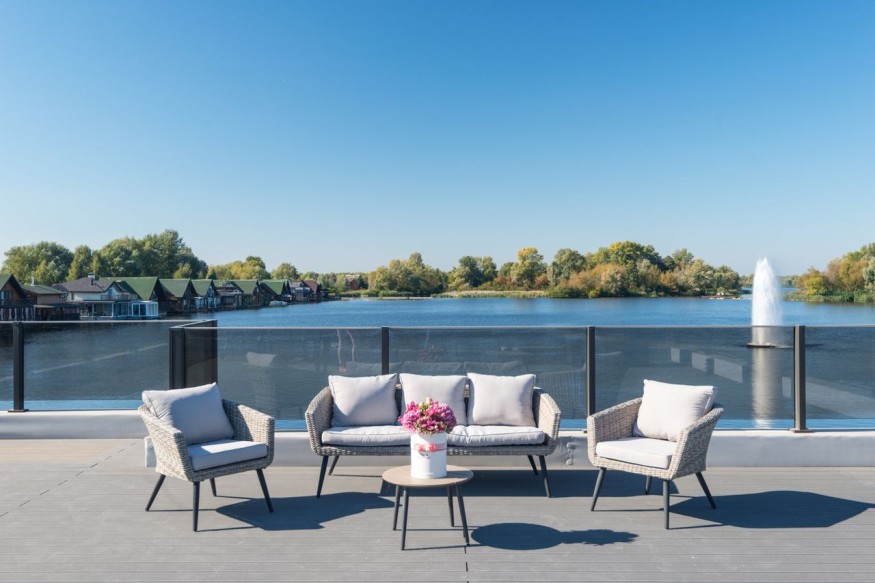
A well designed outdoor space has become an extension of the home. Whether it is a compact balcony, a cozy patio, or a spacious backyard, the right furniture can turn any outdoor area into a place for relaxing, entertaining, or spending time with family. Choosing garden furniture is about more than appearance. Comfort, durability, layout, and maintenance all play an important role in creating a space that feels inviting throughout the year.
The best outdoor spaces strike a balance between style and function. By using practical garden furniture hacks and thoughtful outdoor living tips, homeowners can make the most of their available space while ensuring their furniture remains beautiful and functional for years to come.
Start by Thinking About How the Space Will Be Used
Before buying any outdoor furniture, it helps to consider how the space will be used most often. A garden designed for weekend dinners requires different furnishings than one intended for reading or enjoying a morning coffee.
Families who entertain guests regularly may benefit from a large dining table with comfortable seating. Smaller patios often work better with compact bistro sets or modular seating that can be rearranged when needed. Those who simply want a peaceful retreat may prefer lounge chairs, outdoor sofas, or a hammock surrounded by greenery.
Planning around daily habits prevents unnecessary purchases and ensures every piece serves a purpose.
Read more: Guggenheim Abu Dhabi Debuts This December, Showcasing Frank Gehry Architecture at Its Boldest
Choose Materials That Suit the Environment
Outdoor furniture is exposed to changing weather, so selecting suitable materials is just as important as choosing an attractive design.
Teak remains a favorite because it naturally resists moisture and ages beautifully over time. Aluminum offers a lightweight option that resists rust and is easy to move around the garden. Synthetic rattan provides the classic woven appearance while standing up well to outdoor conditions. Recycled plastic furniture is another practical choice because it requires very little maintenance and handles rain and sunlight well.
The right material depends on local weather conditions, maintenance preferences, and personal style.
Garden Furniture Hacks That Maximize Every Outdoor Space
A few clever updates can make even the smallest garden feel larger and more functional.
- Choose modular furniture that can be rearranged for different occasions.
- Add storage benches that provide seating while hiding cushions or gardening tools.
- Use foldable tables and chairs for compact patios and balconies.
- Select stackable seating for easy storage when not in use.
- Define seating areas with an outdoor rug to create a cozy atmosphere.
These simple garden furniture hacks help homeowners make better use of every available square foot without overcrowding the space.
How Do I Choose the Best Material for Outdoor Furniture?
This is one of the most common questions homeowners ask before investing in garden furniture. There is no single best material because every option offers unique advantages.
Wood creates a warm, timeless appearance and blends naturally into landscaped gardens. Metal furniture often delivers a sleek, contemporary style while offering impressive durability. Synthetic wicker combines traditional charm with modern weather resistance, making it popular for outdoor lounges. Recycled plastic furniture is easy to clean and stands up well to changing weather with minimal upkeep.
Matching the furniture material to the climate and intended use often leads to greater satisfaction over time.
What Is the Best Layout for Garden Furniture?
A thoughtful layout can make an outdoor area feel more comfortable and inviting.
Creating separate zones for dining and relaxation gives larger gardens a clear purpose. Smaller patios benefit from keeping pathways open to avoid a cramped appearance. Seating should encourage conversation by allowing guests to face one another rather than lining every chair against a wall.
Adding planters, lighting, or decorative screens can subtly define different sections without making the space feel closed off. The result is a garden that feels organized while remaining open and welcoming.
Outdoor Living Tips That Create a Comfortable Garden
The most enjoyable outdoor spaces focus on comfort as much as style. Cushions made from weather resistant fabrics add softness while introducing color and texture. Outdoor rugs help create the feeling of an outdoor living room and visually connect furniture pieces.
Lighting also transforms the atmosphere after sunset. String lights, lanterns, and solar path lights provide warmth while making the space more usable in the evening. Shade is equally important. Umbrellas, pergolas, or retractable awnings help make outdoor seating comfortable during warmer days.
These practical outdoor living tips allow gardens to become inviting destinations throughout the seasons.
What Accessories Make Outdoor Furniture More Comfortable?
Accessories often make the biggest difference in how frequently an outdoor space is used.
Comfortable seat cushions encourage longer gatherings, while side tables keep drinks and books within reach. Outdoor throws make cool evenings more enjoyable. Decorative planters soften furniture arrangements with natural greenery, and lanterns or candles create a relaxing atmosphere after dark.
Choosing accessories that complement existing furniture creates a polished look without requiring a complete redesign.
How Can Garden Furniture Be Protected From the Weather?
Outdoor furniture lasts longer with regular care. Waterproof covers help shield furniture during storms or extended periods of rain. Cushions should be stored indoors or inside weather resistant storage boxes when not in use.
Routine cleaning removes dirt, pollen, and debris before they become difficult to remove. Wooden furniture benefits from occasional protective treatments that preserve its appearance, while metal furniture should be inspected for scratches that could eventually lead to corrosion.
Simple maintenance habits help outdoor furniture remain attractive season after season.
Common Garden Furniture Mistakes to Avoid
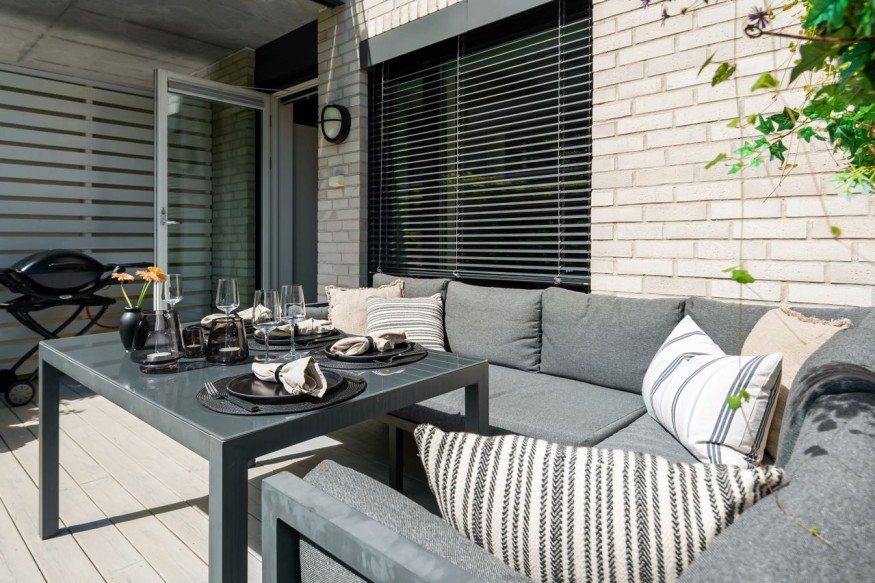
Many outdoor spaces become less functional because of a few avoidable mistakes. Purchasing furniture without measuring the available space often results in crowded layouts that are difficult to navigate. Choosing style over comfort may leave seating unused despite its attractive appearance.
Ignoring storage needs can also shorten the lifespan of cushions and accessories. Finally, mixing too many furniture styles, colors, or materials may create visual clutter instead of a cohesive outdoor retreat.
Avoiding these common issues makes it easier to create a garden that is both practical and visually appealing.
Create a Garden That Feels Like an Extension of Your Home
The right furniture helps transform any outdoor area into a comfortable place for relaxing, entertaining, and enjoying nature. By selecting durable materials, planning an efficient layout, and using practical garden furniture hacks alongside thoughtful outdoor living tips, homeowners can create a welcoming outdoor retreat that reflects their lifestyle. With careful planning and regular maintenance, garden furniture becomes a long lasting investment that adds comfort and character to every season.
Frequently Asked Questions
1. What is the best material for garden furniture?
Teak, aluminum, synthetic rattan, and recycled plastic are all excellent choices. The best option depends on the local climate, maintenance preferences, and desired style.
2. How can a small garden fit more furniture?
Using modular, foldable, or multifunctional furniture allows smaller outdoor spaces to remain flexible without feeling crowded.
3. How often should garden furniture be cleaned?
Cleaning outdoor furniture every few weeks and after heavy storms helps prevent dirt buildup and keeps materials looking their best throughout the year.
4. What are the easiest outdoor living tips for improving a garden?
Adding comfortable cushions, outdoor lighting, rugs, shade solutions, and decorative plants can quickly make any outdoor space feel more inviting and functional.


Glidden's New 2027 Color of the Year Makes a Strong Case for Smoky Blue

Where Should You Put Your Bed? The Feng Shui Rule That Matters Most

The Small Design Decisions You Keep Ignoring Could Be Hurting Your Decor

No Yard? These Small-Space Succulent Garden Ideas Make the Most of Every Inch

Little Greene Just Refreshed Its Color Card With 26 New Paint Shades


