How Green Building Design and LEED Certified Buildings Are Redefining City Landscapes
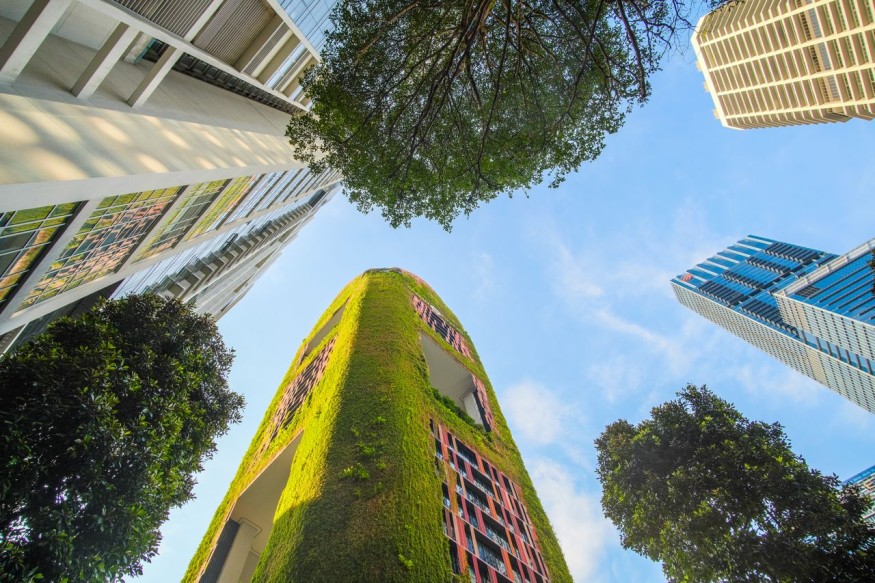
Cities are changing. As populations grow and environmental concerns become more urgent, architects and urban planners are rethinking how buildings are designed, constructed, and used. Modern urban landscapes are no longer defined solely by towering skyscrapers or dense developments. Today, sustainable architecture design is shaping cities that are more energy-efficient, environmentally responsible, and comfortable for the people who live in them.
From green rooftops to smart energy systems, sustainable buildings are transforming neighborhoods around the world. This shift reflects a broader movement toward creating spaces that balance economic growth, environmental stewardship, and long-term livability.
What Is Sustainable Architecture Design?
Sustainable architecture design focuses on reducing the environmental impact of buildings while improving functionality and occupant well-being. Rather than relying heavily on natural resources, sustainable buildings are planned to use energy, water, and materials more efficiently throughout their lifecycle.
Key principles include:
- Maximizing natural light and ventilation
- Reducing energy consumption
- Conserving water resources
- Using environmentally responsible materials
- Minimizing construction waste
- Creating healthier indoor environments
The goal is not simply to build structures that look modern. Instead, sustainable architecture seeks to create buildings that perform better while supporting the surrounding environment.
Why Sustainable Cities Matter More Than Ever
Urban areas continue to expand, placing greater demands on infrastructure and natural resources. Traditional construction methods often contribute to higher energy use, increased waste, and greater environmental strain.
Sustainable architecture design offers a practical response to these challenges. By incorporating environmentally conscious strategies from the earliest planning stages, cities can improve resilience while creating spaces that support modern lifestyles.
Benefits of sustainable urban development include:
- Lower energy demand
- Improved air quality
- Better stormwater management
- Enhanced public health
- More efficient use of land and resources
As cities evolve, sustainable buildings are becoming essential components of long-term urban planning.
How Green Building Design Is Transforming Urban Landscapes
Green building design has moved beyond niche projects and is now influencing entire districts and city centers. Architects are integrating nature, technology, and efficient building practices to create more balanced urban environments.
Several design elements are becoming increasingly common:
Green Roofs and Living Walls
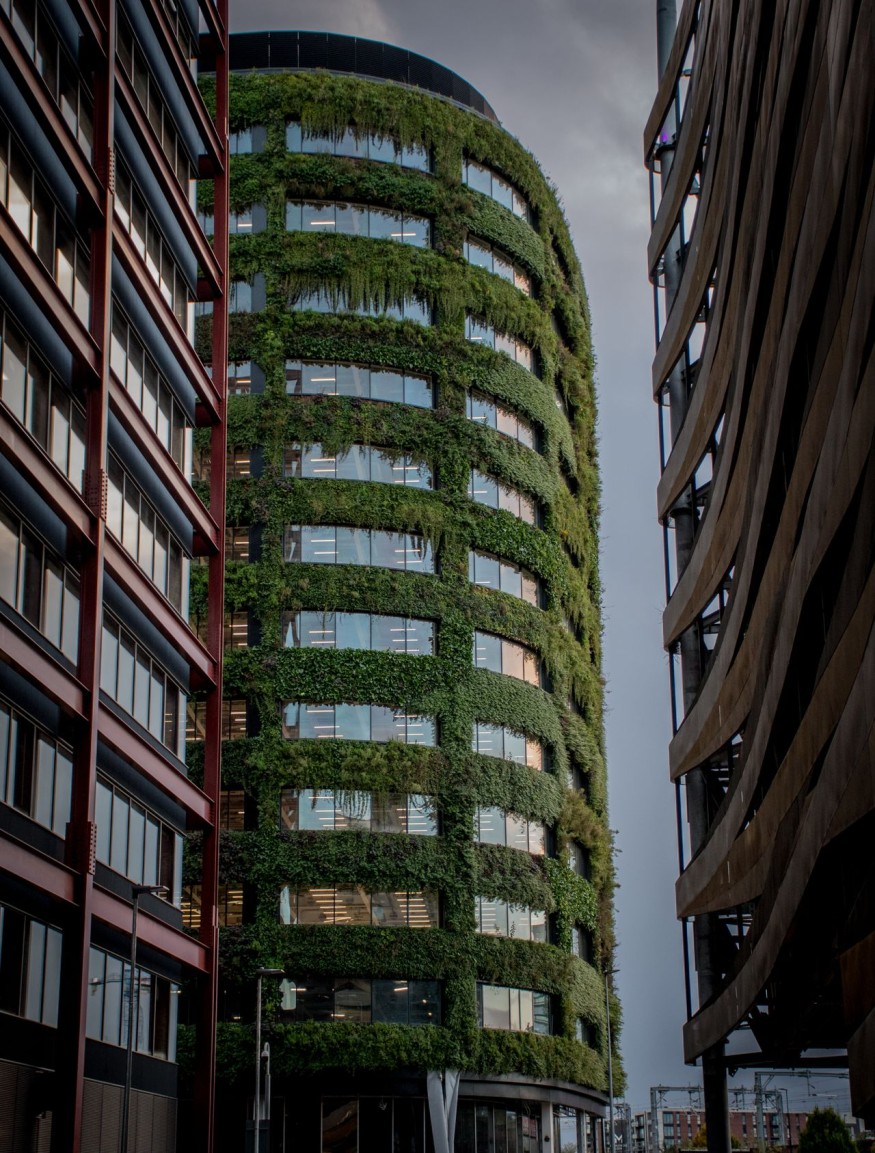
Vegetation integrated into buildings provides both environmental and aesthetic benefits. Green roofs help regulate indoor temperatures while reducing heat buildup in dense urban areas. Living walls add visual interest and can contribute to improved air quality.
Walkable Mixed-Use Developments
Many modern projects combine residential, retail, office, and recreational spaces within a single area. This approach reduces dependence on vehicles and encourages more pedestrian-friendly communities.
Adaptive Reuse of Existing Buildings
Rather than demolishing older structures, architects are finding innovative ways to repurpose them. Converting warehouses, factories, and historic buildings into functional modern spaces helps preserve resources while maintaining architectural character.
The Growing Influence of LEED Certified Buildings
One of the most recognized standards in sustainable construction is the LEED certification system. LEED certified buildings are evaluated based on factors such as energy efficiency, water conservation, indoor environmental quality, and sustainable site development.
The popularity of LEED certified buildings continues to grow because they provide measurable benchmarks for environmental performance.
Advantages often include:
- Reduced operating costs
- Improved occupant comfort
- Enhanced building performance
- Greater environmental responsibility
- Increased market appeal
For developers, certification demonstrates a commitment to sustainability. For occupants, it often translates into healthier and more efficient spaces.
Technologies Driving Sustainable Architecture Design
Technology plays a central role in advancing sustainable architecture design. Modern innovations allow buildings to operate more efficiently while reducing resource consumption.
Some of the most impactful technologies include:
Smart Building Systems
Automated systems monitor lighting, heating, cooling, and energy use in real time. This allows buildings to respond to changing conditions and reduce unnecessary consumption.
Renewable Energy Integration
Solar panels, geothermal systems, and other renewable energy sources are increasingly incorporated into building designs. These systems help reduce reliance on conventional energy sources.
Advanced Building Materials
New materials are helping architects create stronger, more efficient structures with lower environmental impacts.
Examples include:
- Recycled construction materials
- Sustainably sourced wood products
- Low-emission insulation materials
- High-performance glass systems
These innovations support both sustainability goals and long-term building performance.
Designing for People as Well as the Planet
Successful green building design extends beyond environmental concerns. Human comfort and well-being are equally important considerations.
Modern sustainable buildings often emphasize:
- Improved indoor air quality
- Access to natural daylight
- Acoustic comfort
- Connection to outdoor spaces
- Flexible interior layouts
Research continues to show that thoughtfully designed environments can contribute to greater comfort and overall quality of life. As a result, architects are increasingly blending sustainability goals with occupant-centered design strategies.
Future Trends Shaping Sustainable Urban Development
The future of sustainable architecture design is likely to become even more innovative as cities adapt to changing environmental and social needs.
Several emerging trends are attracting attention:
Climate-Responsive Design
Buildings are increasingly tailored to local environmental conditions, helping them perform more efficiently throughout the year.
Biophilic Design
This approach strengthens the connection between people and nature by incorporating natural materials, vegetation, water features, and outdoor views.
Circular Construction Practices
Architects and builders are exploring ways to reuse materials and reduce waste throughout a building's lifecycle.
Smart City Integration
Buildings are becoming part of larger connected networks that improve transportation, energy management, and resource allocation across entire communities.
These developments suggest that sustainable architecture will continue to play a leading role in shaping future cities.
Building Smarter Cities Through Sustainable Design
Sustainable architecture design is changing the way cities look, function, and grow. Through innovative green building design strategies, advanced technologies, and the increasing adoption of LEED certified buildings, urban environments are becoming more efficient, resilient, and people-focused. As architects continue to blend environmental responsibility with practical design solutions, the cities of tomorrow are taking shape today, creating healthier and more sustainable places for future generations.
Frequently Asked Questions
1. What is sustainable architecture design?
Sustainable architecture design is an approach to building design that minimizes environmental impact through energy efficiency, resource conservation, responsible material selection, and improved occupant well-being.
2. What are the main features of green building design?
Green building design typically includes energy-efficient systems, water conservation measures, sustainable materials, natural lighting, improved ventilation, and environmentally responsible construction practices.
3. What are LEED certified buildings?
LEED certified buildings are structures that meet specific sustainability standards related to energy use, water efficiency, indoor environmental quality, and environmental performance.
4. How does sustainable architecture benefit cities?
Sustainable architecture helps cities reduce resource consumption, improve environmental quality, support public health, enhance resilience, and create more livable urban environments.


How to Make Your Home Bathroom Feel More Like a Spa for Less

7 Art Deco Trends Designers Are Bringing Back for Modern Homes

The Built-In Tub Is Back, and It's More Stylish Than You Remember

The Micro Kitchen Is the Smart New Alternative to the Oversized Kitchen

IKEA's New Art Collection Turns Everyday Home Decor Into Affordable Designer Art


