Is Crown Molding Outdated or Timeless? Crown Molding Trends Designers Love for Classic Home Details
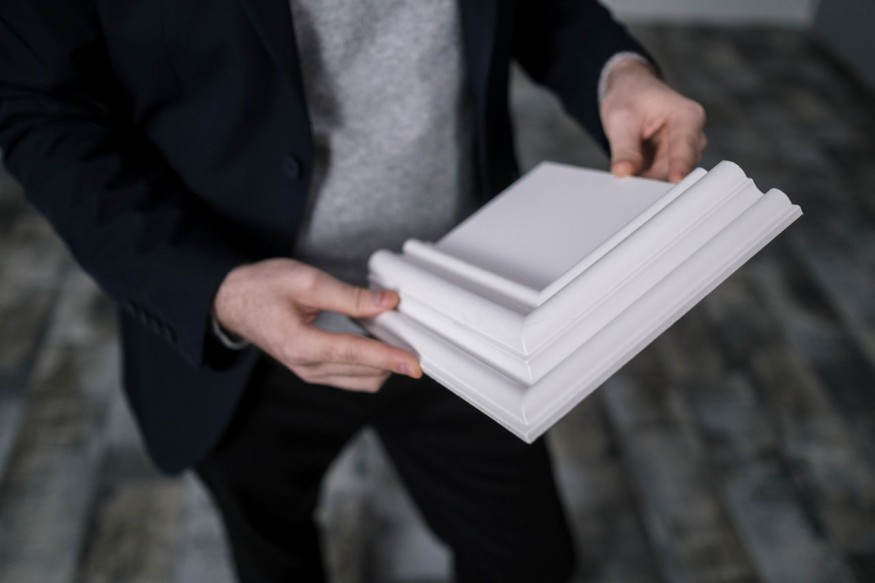
For decades, crown molding has been one of the defining features of well-designed homes. It softens the transition between walls and ceilings, adds architectural interest, and gives rooms a polished appearance. Yet as minimalist interiors continue to influence home design, many homeowners wonder whether this traditional trim detail still belongs in modern spaces.
The short answer is no. Crown molding is not out of style, but the way it is used has evolved. Today's crown molding trends favor clean lines, thoughtful proportions, and designs that complement a home's architecture rather than overpower it. Instead of elaborate ornamentation, many designers are choosing simpler profiles that blend seamlessly into contemporary interiors while preserving the charm of classic home details.
Understanding where crown molding works best, when it can appear dated, and how to select the right style can help homeowners make informed design decisions that stand the test of time.
Is Crown Molding Out of Style?
Interior designers generally agree that crown molding remains a valuable architectural feature when chosen with intention. Rather than following short lived decorating trends, crown molding has become a timeless design element that adapts to different styles.
Traditional homes often benefit from more decorative profiles, while modern homes typically use streamlined versions with subtle detailing. The result is a finished appearance that enhances the room without drawing unnecessary attention.
Design trends may come and go, but architectural details that improve proportion, depth, and craftsmanship rarely lose their appeal.
Read more: Neo-Japandi Design: How a Wabi-Sabi Home Embraces Rich Greens and Minimalist Organic Living
Why Crown Molding Remains One of the Most Classic Home Details
Many homeowners continue to invest in crown molding because it creates a sense of permanence that paint and furniture alone cannot achieve.
A well-designed molding profile visually frames the ceiling and gives rooms greater dimension. It also helps large walls feel less plain while making smaller spaces appear more thoughtfully designed.
Beyond aesthetics, crown molding complements many architectural styles, including Colonial, Craftsman, farmhouse, transitional, and even contemporary homes. When paired with matching trim around doors and windows, it creates a cohesive look throughout the house.
These enduring qualities explain why classic home details continue to attract homeowners who value timeless design over short lived decorating fads.
Crown Molding Trends Designers Are Loving Right Now
Current crown molding trends emphasize restraint rather than excess. Instead of highly ornate designs, today's interiors focus on subtle details that support the overall design of the room.
Some of the most popular approaches include:
- Simple molding profiles with clean edges
- Walls and molding painted the same color for a seamless appearance
- Mixing traditional trim with modern furniture and lighting
- Using crown molding alongside tray or coffered ceilings
- Selecting molding that matches the scale of the room instead of oversized decorative styles
These updated approaches allow crown molding to feel current while still honoring traditional craftsmanship.
When Does Crown Molding Look Dated?
Although crown molding itself is timeless, certain design choices can make it appear outdated.
One common mistake is choosing oversized decorative profiles for homes with low ceilings. Heavy molding can overwhelm the space and make rooms feel smaller.
Another issue is mixing architectural styles that compete with one another. Highly ornate trim may feel out of place inside an ultra modern home with clean, minimalist finishes.
Poor installation also affects the final appearance. Visible gaps, uneven corners, or inconsistent paint finishes can distract from an otherwise beautiful room.
Finally, crown molding should always be proportionate to ceiling height. Larger rooms with higher ceilings can accommodate deeper molding profiles, while smaller spaces often look best with narrower trim.
Does Every Home Need Crown Molding?
Not necessarily.
Some contemporary homes intentionally avoid decorative trim to create crisp, uninterrupted lines. In these spaces, simple drywall transitions or shadow gaps may better suit the architectural vision.
However, homes with traditional or transitional architecture often benefit greatly from crown molding because it reinforces the original design language of the house.
Rather than asking whether every home needs crown molding, designers recommend asking whether it supports the home's architecture. The best design decisions always feel intentional rather than trendy.
What Can You Use Instead of Crown Molding?
Homeowners who prefer a minimalist aesthetic still have several options for adding visual interest near the ceiling.
Shadow gaps create subtle architectural lines without traditional trim. Picture rails offer a classic alternative that works well in both historic and contemporary homes. Wood ceiling panels introduce texture while maintaining clean lines. Painted ceilings can also provide contrast without requiring decorative molding.
These alternatives demonstrate that architectural character can be achieved in multiple ways depending on the desired design style.
Does Crown Molding Increase Home Value?
While no single decorative feature guarantees a higher selling price, quality architectural details often improve a home's overall appeal.
Buyers frequently notice homes that feel complete and thoughtfully finished. Crown molding contributes to that impression by adding craftsmanship and visual depth throughout the interior.
The greatest value comes when molding matches the home's style and is professionally installed. A cohesive design creates a stronger first impression than isolated decorative upgrades.
For homeowners planning renovations, crown molding can be a worthwhile investment when included as part of a broader design strategy rather than as a standalone feature.
How to Choose the Right Crown Molding for Your Home
Selecting the right molding begins with understanding the home's architecture.
Traditional homes typically support more detailed profiles, while contemporary spaces benefit from cleaner, simpler designs. Ceiling height also plays an important role. Taller ceilings allow for larger moldings, while standard height rooms usually look better with slimmer options.
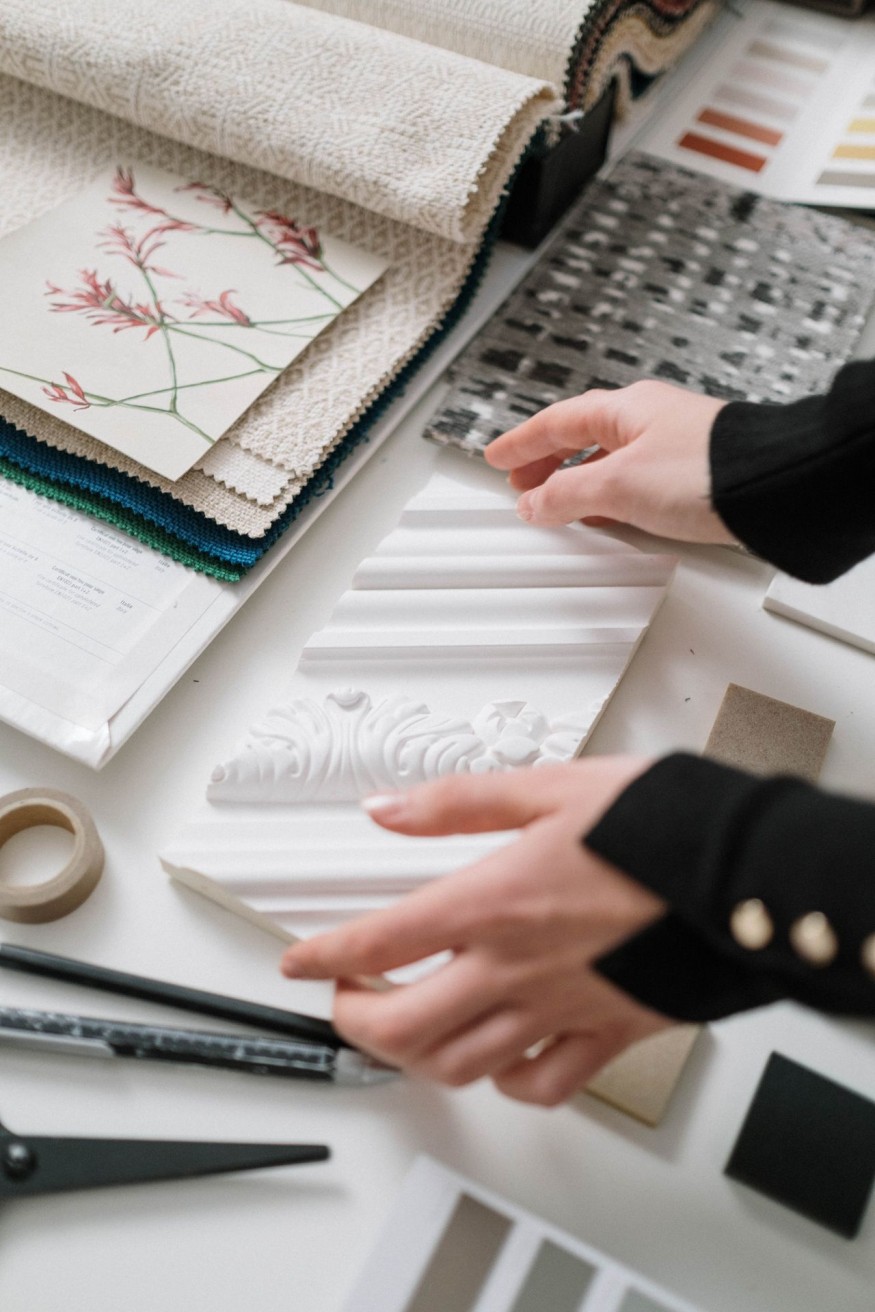
Material selection matters as well. Wood offers natural beauty, MDF provides an affordable painted finish, and polyurethane delivers durability with lighter weight.
Finally, crown molding should coordinate with baseboards, door casings, and window trim to create consistency throughout the home.
Why Timeless Crown Molding Trends Continue to Elevate Classic Home Details
Although decorating styles continue to evolve, crown molding remains one of the most enduring architectural features homeowners can choose. Today's crown molding trends prove that the detail has adapted rather than disappeared, embracing cleaner profiles and more versatile applications that suit both traditional and modern interiors. When thoughtfully selected and properly installed, crown molding enhances classic home details, adds lasting character, and creates a finished look that feels elegant for years to come.
Frequently Asked Questions
1. Is crown molding still in style for modern homes?
Yes. Modern homes often use simple, streamlined crown molding profiles that provide architectural interest without overwhelming the space.
2. What type of crown molding is most popular today?
Clean-lined profiles with minimal ornamentation are among today's most popular choices because they work well in both contemporary and transitional interiors.
3. Should crown molding be painted white?
Not always. Many designers now paint crown molding the same color as the walls to create a seamless, sophisticated appearance, though white remains a timeless option.
4. Is crown molding worth adding during a renovation?
For many homes, yes. Crown molding can enhance architectural character, create a more finished interior, and complement other trim details when chosen to suit the home's style.


Glidden's New 2027 Color of the Year Makes a Strong Case for Smoky Blue

Where Should You Put Your Bed? The Feng Shui Rule That Matters Most

The Small Design Decisions You Keep Ignoring Could Be Hurting Your Decor

No Yard? These Small-Space Succulent Garden Ideas Make the Most of Every Inch

Little Greene Just Refreshed Its Color Card With 26 New Paint Shades


