Historic Home Design Is Transforming New Construction Homes With Timeless Appeal
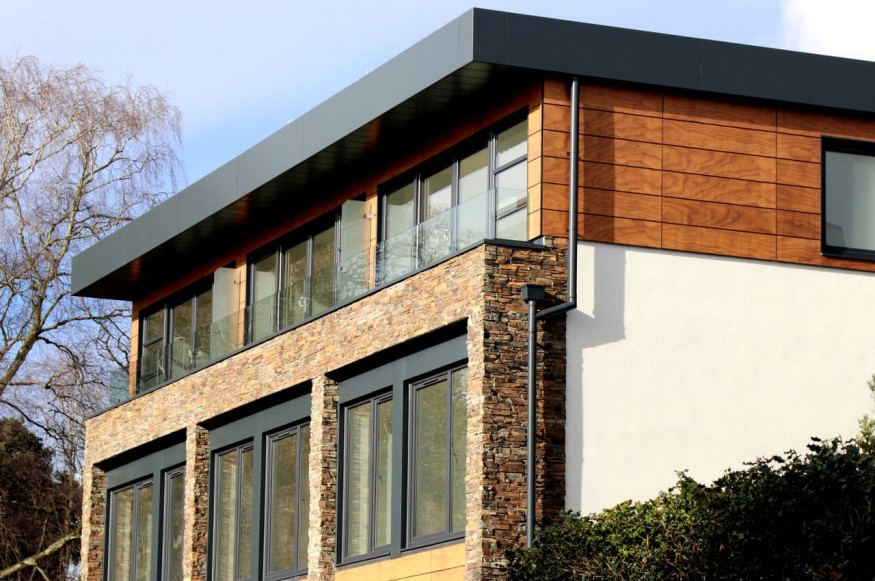
For years, sleek modern architecture dominated residential construction, with clean lines, expansive windows, and minimalist exteriors defining many new neighborhoods. Today, however, a different style is taking center stage. Across the country, architects and developers are designing new construction homes that capture the timeless charm of older properties while incorporating the comfort, efficiency, and convenience expected from modern living.
This shift reflects a growing appreciation for historic home design and the enduring appeal of traditional craftsmanship. Rather than recreating the past exactly, today's builders are borrowing architectural details from classic American and European homes to create residences that feel established, welcoming, and full of character. As these preferences continue to evolve, traditional architecture trends are shaping the future of residential design in surprising ways.
Why Are New Builds Looking Like Historic Homes?
Many homeowners want a house that feels warm and timeless instead of trendy. Historic architecture offers a sense of permanence that resonates with buyers who want their homes to remain attractive for years to come.
Several factors are driving this movement.
- Buyers appreciate homes with architectural character.
- Traditional exteriors often blend better into established neighborhoods.
- Classic design styles tend to age gracefully.
- Homeowners are looking for lasting curb appeal instead of short lived design trends.
Design professionals also note that historic inspired homes create an emotional connection. Details such as brick facades, welcoming front porches, decorative trim, and divided light windows make a home feel familiar from the moment someone arrives.
Read more: One Vintage Piece Per Room Is the Decorating Trick Designers Love for Creative Home Ideas
What Defines a Historic Inspired New Build?
A historic inspired home is not intended to replicate an older property exactly. Instead, it incorporates carefully selected architectural features while using modern construction methods and updated floor plans.
Some of the most recognizable characteristics include:
- Symmetrical front elevations
- Brick, stone, or painted wood siding
- Multi pane windows
- Decorative shutters
- Covered front porches
- Dormer windows
- Traditional moldings and cornices
- Steep rooflines
- Classic entry doors with sidelights
These features work together to give new construction homes a sense of history without sacrificing modern performance.
Why Homeowners Want Historic Style Without Historic Maintenance
Owning an authentic historic home often comes with unique responsibilities. Older properties may require specialized repairs, outdated utility systems, or ongoing preservation efforts.
Historic inspired new builds solve many of these challenges.
Modern construction provides advantages such as:
- Energy efficient insulation
- Contemporary plumbing and electrical systems
- Improved indoor comfort
- Low maintenance exterior materials
- Smart home technology
- Flexible open floor plans
Homeowners can enjoy the visual appeal of historic home design while benefiting from the reliability and convenience of a newly built house.
Which Architectural Styles Are Inspiring Today's New Construction Homes?
Rather than focusing on one historic period, architects are drawing inspiration from several beloved architectural traditions.
Colonial Revival
Colonial Revival homes remain popular because of their balanced proportions, symmetrical windows, and elegant entryways. Their timeless appearance works well in suburban developments and established communities alike.
Craftsman
Craftsman homes continue to influence residential design with wide front porches, exposed beams, tapered columns, and handcrafted details that create warmth and authenticity.
Tudor Revival
Steep rooflines, decorative chimneys, and distinctive exterior materials give Tudor inspired homes a storybook appearance while adapting well to contemporary interiors.
Cape Cod
Simple rooflines, dormer windows, and understated elegance make Cape Cod homes a favorite for homeowners seeking traditional charm.
European Cottage
Stone accents, arched doorways, and charming rooflines create inviting homes that balance romance with practicality.
These styles demonstrate how traditional architecture trends continue to evolve while remaining rooted in classic design principles.
How Architects Blend Historic Character With Modern Living
The success of these homes comes from balancing old and new rather than choosing one over the other.
Authentic Exterior Details
Architects often focus on proportion, roof shape, window placement, and quality materials before adding decorative elements. This creates homes that feel authentic instead of theatrical.
Contemporary Interiors
Behind traditional facades, homeowners typically find open kitchens, spacious family rooms, generous storage, and flexible living spaces designed for modern lifestyles.
Updated Building Materials
Many historic details are now recreated using durable products that require less maintenance while preserving the appearance of natural wood, stone, or brick.
Hidden Technology
Heating, cooling, lighting controls, security systems, and smart appliances integrate seamlessly into homes without disrupting their classic appearance.
Why Historic Home Design Continues to Appeal
Timeless architecture offers benefits that extend beyond appearance.
Many homeowners value:
- Lasting curb appeal
- Greater flexibility for decorating
- A welcoming exterior
- Strong neighborhood character
- Design elements that remain stylish across changing trends
Unlike highly specialized styles, traditional homes often adapt easily to evolving furniture, colors, and decorative preferences. This flexibility makes them attractive for homeowners planning to stay in their homes for many years.
Common Mistakes When Designing a Historic Inspired Home
Creating a convincing historic appearance requires careful planning. Without attention to detail, a home can feel inconsistent or overly decorative.
Designers recommend avoiding these common mistakes:
- Mixing several architectural styles without a clear vision
- Using decorative trim that feels oversized
- Selecting synthetic materials that lack authentic texture
- Ignoring proper window proportions
- Prioritizing ornament over functionality
Consistency is often what separates a thoughtfully designed home from one that simply borrows isolated historic details.
Why Traditional Architecture Trends Are Reshaping New Construction Homes
The growing popularity of historic home design reflects a broader desire for homes that feel timeless rather than temporary. Buyers increasingly appreciate residences that combine the visual warmth of classic architecture with the comfort, efficiency, and flexibility of modern construction. As architects continue refining this approach, new construction homes are becoming richer in character without giving up contemporary convenience. The continued evolution of traditional architecture trends suggests that classic design principles will remain an important influence on residential architecture for years to come.
Frequently Asked Questions
1. Why are new construction homes designed to look like historic homes?
Many homeowners appreciate the timeless appearance of historic architecture but prefer modern construction methods, energy efficiency, and updated floor plans. Builders combine both to create homes with lasting appeal.
2. What architectural styles are most popular for historic inspired homes?
Colonial Revival, Craftsman, Tudor Revival, Cape Cod, and European Cottage styles are among the most influential designs inspiring today's new construction homes.
3. Are historic inspired homes more expensive to build?
The overall cost depends on the materials, craftsmanship, and architectural details selected. Certain custom features may increase construction costs, while many traditional elements are now available in durable, cost effective materials.
4. Can a modern interior work inside a traditional style home?
Yes. Many historic inspired homes feature open layouts, contemporary kitchens, smart home technology, and modern finishes behind classic exterior architecture, creating the best of both worlds.


Bold Patterns, Warm Colors, and Festive Entrances Are Shaping This Season's Home Trends

Malibu's Celebrity Real Estate Market Faces New Challenges From Coastal Erosion

A Room-by-Room Guide to Better Home Lighting With the Right Lamps

Year-Round Garden Design: How to Create a Landscape With Lasting Interest

Built-In Wall Niche Ideas That Make Awkward Recesses Look Intentional


