Design a Bedroom That Lasts: Kids Bedroom Ideas and Home Improvement Tips That Grow With Them
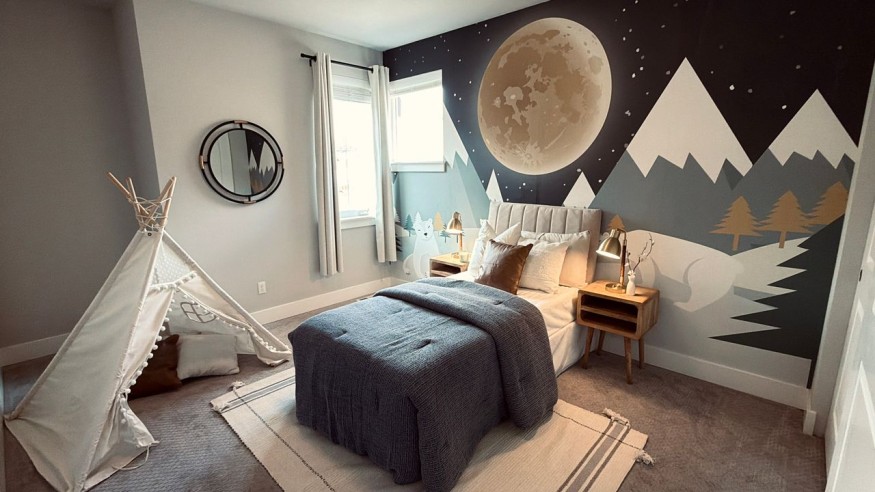
Designing a child's bedroom is about more than choosing fun colors or favorite characters. A well-planned room should adapt as children grow, making it easier to accommodate changing interests, hobbies, and daily routines. Instead of redesigning the space every few years, parents can make thoughtful choices that create a bedroom with lasting style and functionality.
The best kids' bedroom ideas focus on flexibility, smart storage, durable furniture, and timeless design. With a few strategic home improvement decisions, a bedroom can transition smoothly from toddler years to the teenage stage without requiring a complete makeover.
Start With a Flexible Bedroom Layout
A versatile floor plan is the foundation of a bedroom that grows alongside a child. Rather than filling every corner with furniture, leaving open space allows the room to evolve over time.
A flexible layout makes it easier to introduce new furniture or rearrange the room as needs change.
Consider including:
- A clear sleeping area
- An open space for play or hobbies
- A future study corner
- Walking paths that keep the room comfortable and uncluttered
Planning the room around activities instead of age-specific furniture creates a space that remains practical for years.
Read more: Natural Swimming Pools vs. Traditional Pools: What Homeowners Should Know Before Building
Invest in Furniture That Grows With Your Child
Quality furniture often costs more upfront, but it usually lasts much longer than trendy children's pieces.
Look for furniture designed with adaptability in mind.
Good options include:
- Convertible beds that transition into larger sizes
- Adjustable desks and ergonomic chairs
- Dressers that can later function as bedroom storage for teens
- Bookshelves with adjustable shelving
- Nightstands with simple, timeless designs
Solid wood or well-constructed furniture also tends to withstand years of everyday use while fitting a variety of decorating styles.
Choose Timeless Colors Instead of Trendy Themes
Children's interests change quickly. While themed bedrooms can be exciting, replacing themed furniture and décor every few years becomes expensive.
Neutral wall colors provide a long-lasting backdrop that works with changing accessories.
Popular timeless shades include:
- Soft white
- Warm beige
- Light gray
- Sage green
- Dusty blue
Instead of committing to a permanent theme, personality can be added through:
- Bedding
- Throw pillows
- Rugs
- Wall art
- Curtains
- Decorative lamps
These smaller pieces are affordable to replace whenever tastes change.
Plan Smart Storage From the Beginning
Storage needs increase as children collect books, toys, school supplies, sports equipment, and hobbies.
Planning storage early keeps the room organized without constant renovations.
Helpful storage solutions include:
- Built-in shelving
- Under-bed storage drawers
- Storage benches
- Closet organizers
- Decorative baskets
- Wall-mounted shelves
As children grow older, toy storage can easily transition into storage for books, electronics, or hobby supplies.
A well-organized room also encourages independence by making everyday items easy to access.
Create Spaces That Can Change Over Time
One of the smartest kids' bedroom ideas is dividing the room into flexible zones instead of assigning every inch to a single purpose.
Sleeping Area
Keep the sleeping area simple with quality bedding and minimal furniture.
Study Space
A reading corner for younger children can later become a homework station or computer desk.
Creative Zone
An art table may eventually transform into a music area, a crafting station, or a gaming setup, depending on changing interests.
Thinking in terms of adaptable zones allows the room to evolve without major structural changes.
Make Decorating Easy to Refresh
Refreshing a bedroom does not always require replacing furniture.
Many inexpensive updates create a fresh appearance while preserving the room's overall design.
Simple refresh ideas include:
- Changing bedding each season
- Updating framed artwork
- Replacing drawer hardware
- Swapping lampshades
- Adding removable wallpaper
- Introducing new accent colors
These updates help children personalize their rooms as they mature while avoiding costly renovations.
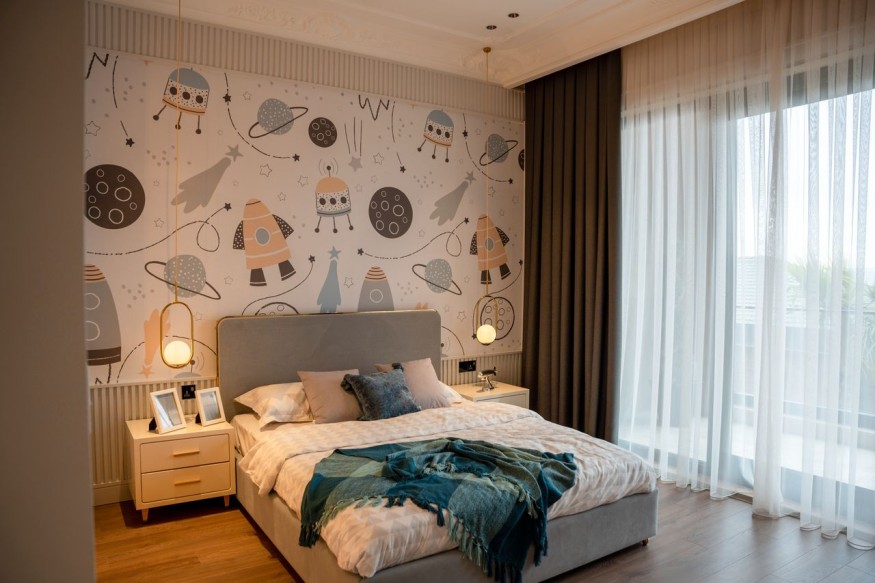
Prioritize Safety Without Sacrificing Style
Safety remains important at every age, even as children become more independent.
Several small home improvement upgrades make the room safer while maintaining a polished appearance.
Key safety considerations include:
- Secure heavy furniture to the wall
- Choose rounded furniture edges when possible
- Install soft-close drawers
- Use cordless window coverings
- Keep electrical outlets protected where appropriate
- Select durable flooring that is easy to maintain
Parents can also choose washable paints and stain-resistant materials to simplify long-term maintenance.
What Should Be Included in a Child's Bedroom?
Every child's bedroom benefits from a balance of comfort, organization, and flexibility.
Essential features include:
- A comfortable bed
- Adequate clothing storage
- Bookshelves
- A reading or study area
- Adjustable lighting
- Space for hobbies
- Room to move comfortably
Rather than filling every available space, leaving some flexibility allows the room to grow naturally with the child.
How Can a Small Kids Bedroom Feel Bigger?
Small bedrooms can still feel spacious with thoughtful planning.
Several design strategies help maximize every square foot.
- Use vertical wall storage
- Choose multifunctional furniture
- Keep the color palette light
- Install floating shelves
- Use mirrors to reflect natural light
- Avoid oversized furniture
Even compact rooms can remain functional for many years with careful organization.
Create a Bedroom That Stays Functional Through Every Stage
Designing a room with long-term flexibility is one of the smartest home improvement investments parents can make. Rather than chasing short-lived decorating trends, timeless furniture, adaptable storage, neutral finishes, and flexible layouts create a bedroom that continues to meet changing needs from early childhood through the teenage years. The result is a comfortable, organized, and stylish space that evolves naturally while requiring only simple updates over time.
Frequently Asked Questions
1. How often should a child's bedroom be updated?
Most bedrooms only need small decorative updates every few years. Larger furniture can often remain in place for many years if it was selected with future growth in mind.
2. What furniture is worth investing in for a growing child?
Convertible beds, adjustable desks, solid wood dressers, quality bookshelves, and durable storage systems typically provide the greatest long-term value.
3. Are themed bedrooms a good long-term choice?
Themes can be enjoyable, but they are best incorporated through accessories such as bedding, artwork, rugs, and decorations, which can be easily replaced as interests change.
4. What is the most valuable home improvement upgrade for a child's bedroom?
Improving storage with built-in shelving, closet organization, and multifunctional furniture often delivers the biggest long-term benefit by keeping the room organized and adaptable as children grow.


How Architects Hide Gutters Without Sacrificing Roof Drainage

Halloween Mantel Decorating Ideas That Feel Stylish, Not Spooky-Store Basic

Nick and Vanessa Lachey's Tarzana Estate Is Back on the Market for $8.2 Million

The Designer-Friendly Way to Make Halloween Decor Fit Your Home

The Design Tricks That Make a Backyard Feel Like Part of the Home


