Pocket Doors Could Be the Clever Space-Saving Solution Your Home Needs
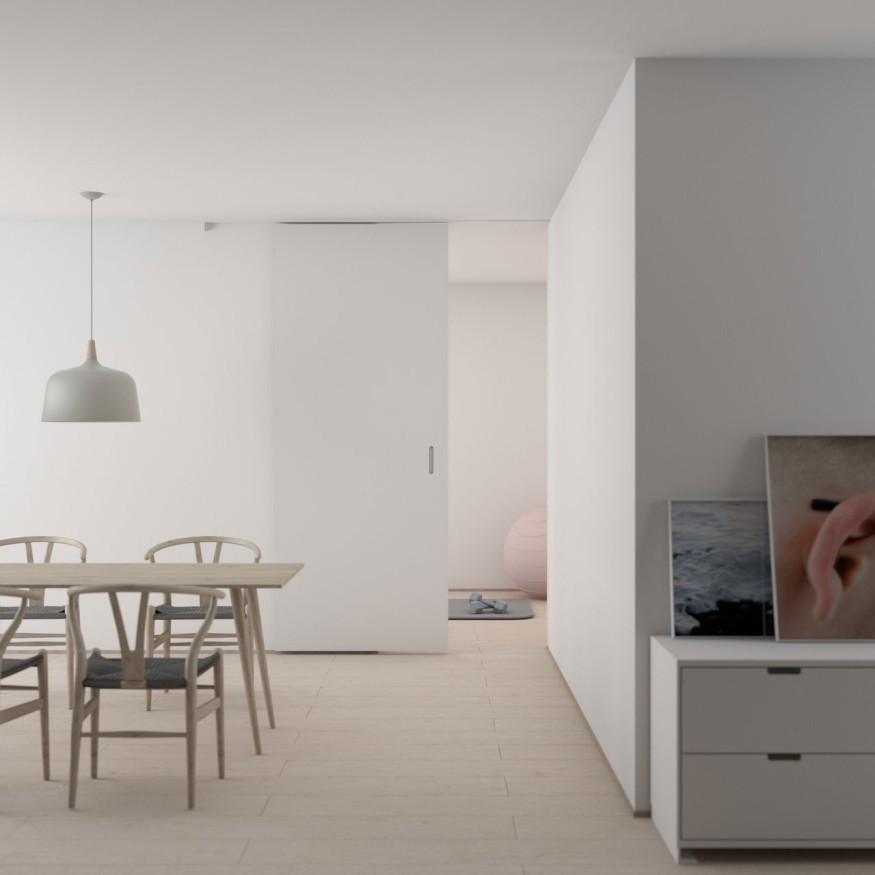
Some of the most useful home design features are the ones that quietly disappeared from everyday interiors. Pocket doors are a prime example. These sliding doors have been used in homes for generations, but their ability to save floor space makes them especially relevant as modern houses and apartments prioritize efficiency.
Unlike a conventional hinged door, a pocket door slides into a cavity within the wall when opened. That means there is no door swing occupying the floor area in front of or behind the doorway.
The result is a small architectural adjustment that can make a surprisingly noticeable difference, particularly in compact rooms, narrow hallways, bathrooms, closets, and multipurpose spaces.
The renewed interest in pocket doors also reflects a broader shift toward flexible interiors. Rather than permanently committing rooms to either an open or closed layout, homeowners can use sliding doors to switch between the two.
What Is a Pocket Door?
A pocket door is a sliding interior door that disappears into a concealed wall cavity when opened. The mechanism typically uses rollers and a track, allowing the door panel to move sideways rather than swing outward.
Pocket doors became popular in historic homes, including Victorian-era interiors, before falling out of favor as conventional hinged doors became more common. Architecture-focused publication ArchDaily notes that their contemporary resurgence is closely tied to the demand for space-saving and flexible residential layouts.
The basic principle has remained remarkably simple. The door does not need additional floor area to operate because the wall effectively becomes its storage space.
Why Are Pocket Doors Useful in Small Homes?
The main advantage is straightforward: they eliminate the swing radius required by a hinged door. That can be valuable in a small bathroom where a swinging door competes with a vanity or toilet. It can also help in a narrow hallway, compact bedroom, laundry room, pantry, or closet.
In larger homes, the benefit is less about squeezing extra furniture into a room and more about improving flexibility. A pocket door can separate a kitchen from a dining room when privacy or noise control is needed, then disappear when an open connection is preferred.
Where Should Homeowners Use Pocket Doors?
Bathrooms
Small bathrooms are among the most obvious applications. A pocket door can prevent the door panel from interfering with fixtures, making the room easier to navigate.
It can also be useful for ensuite bathrooms where a conventional door creates an awkward swing into a bedroom or dressing area.
Home Offices
A pocket door can turn a home office into a more private workspace without permanently closing it off from the rest of the house.
Glass or partially glazed versions can allow daylight into the workspace while still creating visual separation.
Kitchens and Dining Rooms
Double pocket doors can provide a flexible connection between a kitchen and dining room. When open, the rooms function as one larger space. When closed, the doors can help contain cooking noise, visual clutter, or odors.
Bedrooms
Pocket doors can work well between bedrooms and bathrooms, dressing rooms, or small corridors. They can also be useful in children's rooms where furniture placement is often changing.
Pantries and Utility Rooms
A conventional door can make a narrow pantry feel even tighter. A pocket door removes that obstacle and allows shelves, cabinetry, or appliances to sit closer to the opening.
What Should Be Considered Before Installing One?
Pocket doors are not suitable for every wall. The wall cavity must have enough space to accommodate the door panel and hardware, and plumbing, electrical wiring, structural elements, and other obstructions can complicate installation.
This is why pocket doors are generally easiest to incorporate during new construction or a major renovation. The hardware also matters. A well-designed pocket door should move smoothly and quietly, with reliable rollers and an accessible mechanism for future maintenance.
Privacy is another consideration. While solid pocket doors can provide substantial separation, some lightweight or glazed versions may transmit more sound than a heavier hinged door.
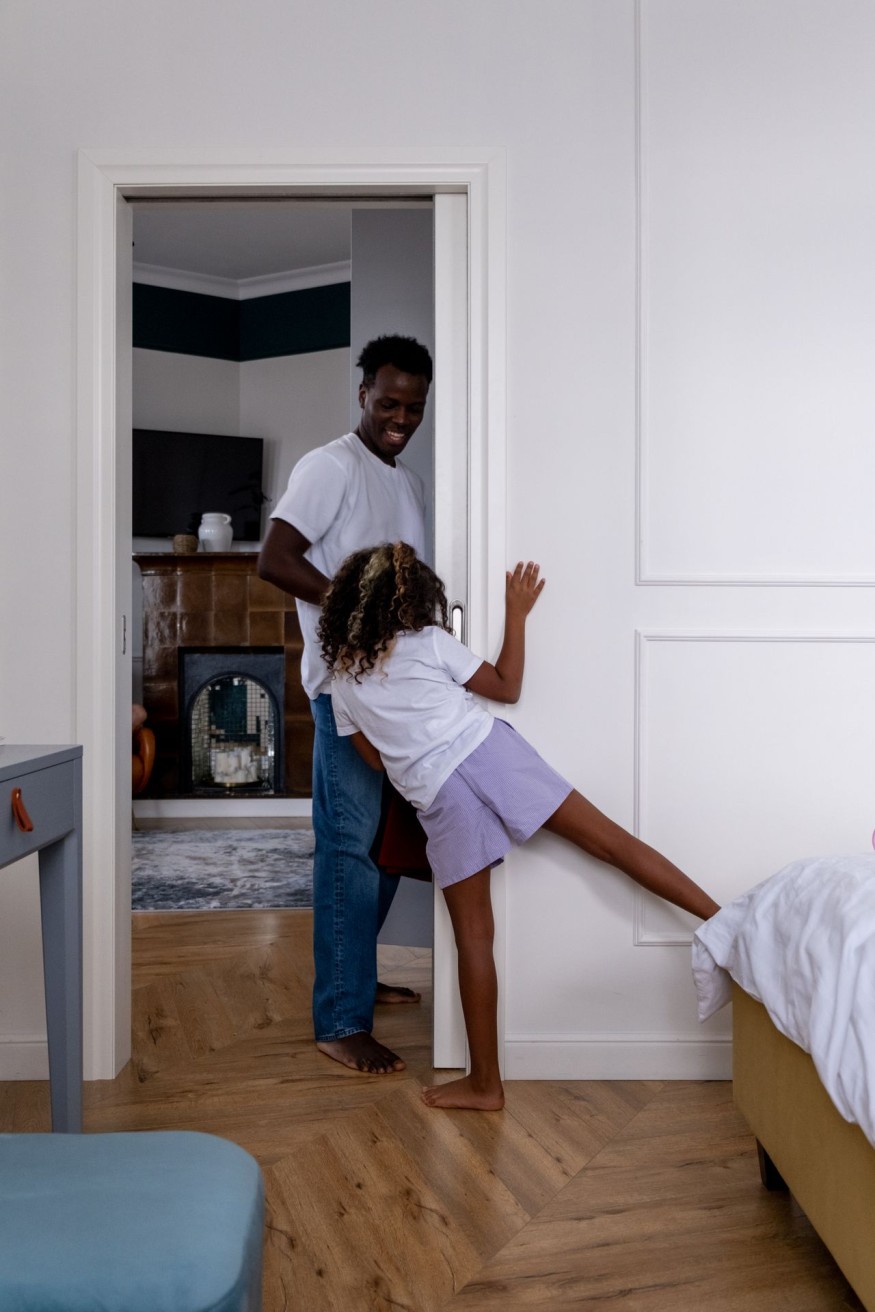
How Can Pocket Doors Look More Contemporary?
Modern pocket doors are available in far more styles than the basic painted panels traditionally associated with them.
Wood panels can introduce warmth, while painted doors can blend almost invisibly into the wall. Fluted glass, reeded glass, black-framed panels, and oversized double doors can turn the opening into a design feature.
The best choice depends on whether the door should disappear or become part of the room's visual identity.
A minimalist interior may benefit from a door painted the same color as the surrounding wall. In a more decorative home, a contrasting material can make the sliding panel a deliberate architectural focal point.
Why Pocket Doors Deserve Another Look
Pocket doors solve a very specific architectural problem without requiring a room to sacrifice functionality or style. They save floor space, create flexible room divisions, and can make compact interiors easier to furnish.
Their comeback is less about nostalgia than practicality. As homeowners look for ways to make every square foot work harder, a door that disappears into the wall begins to look less like an old-fashioned feature and more like an intelligent modern solution.
Frequently Asked Questions
1. Do pocket doors save space?
Yes. Because they slide into the wall instead of swinging across the floor, pocket doors eliminate the floor area normally needed for a hinged door's swing.
2. Are pocket doors suitable for small bathrooms?
They can be particularly useful in compact bathrooms because they prevent the door from competing with fixtures and circulation space.
3. Can a pocket door be installed in an existing wall?
Sometimes, but the wall must have enough cavity space and cannot contain incompatible plumbing, electrical components, or structural elements. Professional assessment is recommended before installation.
4. Are pocket doors expensive?
Costs vary considerably depending on the door, hardware, wall construction, and whether structural or electrical work is required. Installation during a renovation is generally easier than retrofitting one into a finished wall.


Minwax's 2027 Color of the Year Is Pickled Oak, a Fresh Take on Natural Wood

Small-Space Design: Why the 'Boneless' Sofa Is Worth Considering

How to Bring Autumn Into Every Room With These 12 Cozy Decorating Ideas

Dinettes Are the Small-Kitchen Seating Solution That Makes Every Inch Count

Move Over Beige: Farrow & Ball Says Purple Is About to Take Over Home Design


