Have a Window in Your Shower? Here’s What Designers Say You Should Do With It
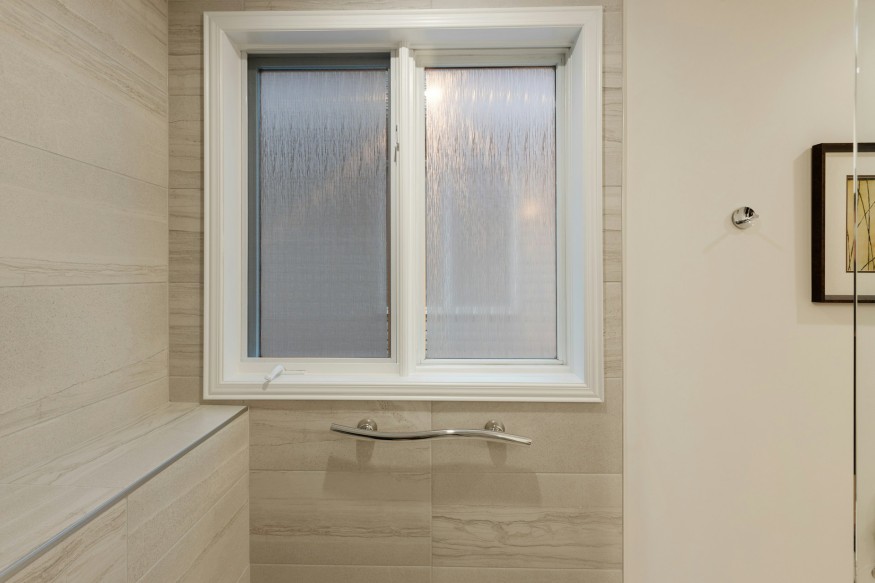
A window inside a shower can look like an architectural mistake at first glance. Why would anyone deliberately place a window where it will be exposed to constant water and where privacy could become an obvious concern?
In many cases, however, the window was not originally designed to sit inside a shower at all.
Older homes frequently have bathroom layouts that were modified over time. A window may have been installed to provide natural light and ventilation before the current shower configuration existed. When homeowners later renovated the bathroom, the existing window sometimes became part of the shower enclosure simply because moving it would have required significant structural work.
Today, designers and renovators have several ways to make the unusual feature work.
Why Are There Windows in Showers?
The simplest explanation is often the age and evolution of the home. Older bathrooms were not always designed according to today's layouts. A room may originally have contained a bathtub, sink, or other arrangement, with a window positioned on an exterior wall for daylight and ventilation.
When a tub is replaced by a larger shower, the window can end up directly inside the wet area. Windows also provide benefits. They can bring daylight into a bathroom and, when designed to open, potentially provide natural ventilation. In smaller bathrooms, that extra daylight can make the space feel more open.
The challenge is ensuring the window can handle the environment.
The Two Biggest Problems: Water and Privacy
A shower window has two obvious design concerns. The first is privacy. A clear window at eye level can expose the bathroom to neighboring properties, pedestrians, or other occupants.
The second is moisture. Shower water and condensation can repeatedly expose the window, frame, sill, and surrounding wall assembly to moisture. Poorly waterproofed openings can allow water behind finishes and potentially damage framing.
That makes waterproofing the most important consideration during a renovation.
1. Choose Frosted or Obscured Glass
Replacing clear glass with frosted or textured glass is one of the simplest ways to improve privacy while retaining daylight.
There are different degrees of opacity, so homeowners should consider the window's location and surrounding sightlines rather than assuming any frosted glass will provide complete privacy.
For existing windows that are otherwise in good condition, privacy film may also provide a relatively straightforward update. House Beautiful recently highlighted smart film and frosted glass as solutions used by designers in bathrooms where privacy was an issue.
2. Consider Waterproof Shutters
Traditional curtains are usually a poor choice inside a shower because fabric can remain damp and collect moisture.
Water-resistant shutters, however, can provide adjustable privacy and light control. Vinyl or other materials specifically designed for wet environments are preferable to untreated wood.
The correct material matters because ordinary wood shutters can warp or develop mold when exposed to repeated moisture.
3. Replace the Window With a More Suitable Unit
If the existing window is deteriorating, renovation may be the right opportunity to replace it.
Vinyl and fiberglass are generally better suited to high-moisture environments than untreated wood. High or narrow windows can also reduce direct exposure while preserving natural light and ventilation.
The final specification should be determined with the contractor, window professional, and applicable local building requirements.
4. Raise the Window When Remodeling
If the bathroom is undergoing a major renovation, relocating the window higher on the wall can be worth considering.
A high window can bring in daylight while reducing direct sightlines and limiting the amount of water that reaches the opening. Clerestory-style windows or high transoms can be particularly useful in bathrooms where privacy is a concern.
This approach requires more construction than adding privacy film, but it can produce a cleaner long-term solution.
5. Treat the Window as Part of the Shower's Waterproofing System
The biggest mistake is treating the window like an ordinary bathroom window.
A shower opening needs to be integrated into the surrounding waterproofing system. The sill should be appropriately sloped so water does not sit against the frame, and the surrounding assembly needs to be properly flashed, sealed, and waterproofed.
Industry guidance emphasizes that shower windows are exposed to both direct splashing and condensation, making the lower part of the opening particularly vulnerable to moisture problems.
When Removing the Window Makes Sense
Not every shower window needs to stay. If the window has significant water damage, creates an unavoidable privacy problem, or is expensive to waterproof properly, removing it during a major renovation may make more sense than repeatedly repairing it.
For homeowners who love the natural light, however, removal is not the only option. A properly specified window with suitable privacy glass and a professionally installed waterproofing system can turn an awkward feature into one of the bathroom's best design elements.
A Shower Window Can Actually Be an Asset
A window in a shower may seem unusual, but it is not automatically a design flaw. In older homes, it can simply be the result of a bathroom evolving around an existing architectural feature. With the right privacy treatment, moisture-resistant materials, ventilation, and waterproofing, the window can bring valuable natural light and character into the room.
The important distinction is between working with the existing window thoughtfully and simply assuming that a standard window is suitable for a wet area.
Frequently Asked Questions
1. Why do some older homes have windows in the shower?
Many older bathrooms had windows for natural light and ventilation before their layouts were later modified. When showers replaced tubs or rooms were reconfigured, existing windows sometimes ended up inside the wet area.
2. Are windows in showers a bad idea?
Not necessarily. They can provide natural light and ventilation, but they require careful waterproofing and privacy planning.
3. What is the best way to make a shower window private?
Frosted, textured, or obscured glass can provide privacy while still allowing light into the bathroom. Waterproof shutters are another option.
4. Can a shower window be waterproofed?
Yes, but the window and surrounding opening need to be properly integrated with the shower's waterproofing system. Professional installation is particularly important because moisture can damage hidden framing if water gets behind the finished surface.


8 Stylish Halloween Staircase Decor Ideas That Make a Dramatic Statement

The Best Prime Day Furniture Deals to Look for Before Refreshing Your Home

Small-Space Design: Why the 'Boneless' Sofa Is Worth Considering

How to Bring Autumn Into Every Room With These 12 Cozy Decorating Ideas

The Essential Fall Home Maintenance Checklist Every Homeowner Should Follow


