Want a Greener Home? These 6 Best Indoor Plants Thrive in Low Light and Fit Any Biophilic Home
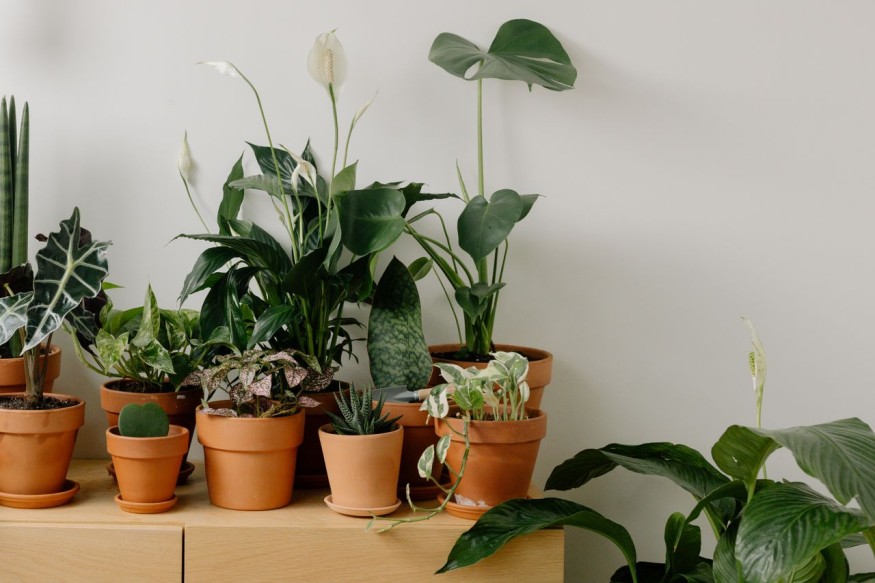
Natural light is often considered essential for thriving houseplants, but not every home is blessed with bright, sunny windows. Apartments, north-facing rooms, hallways, and cozy corners can all feel too dim for greenery. Fortunately, many of the best indoor plants naturally grow beneath dense forest canopies, making them perfectly suited to lower light conditions.
Adding these plants is also an easy way to embrace a biophilic home, a design approach that strengthens the connection between people and nature through thoughtfully placed greenery, natural materials, and calming interiors. The right low light houseplants can soften a room, improve its atmosphere, and introduce year-round color with minimal maintenance.
What Makes a Plant Suitable for Low Light Rooms?
Low light does not mean complete darkness. Most low light plants still benefit from indirect daylight, even if they are placed several feet away from a window.
Plants that tolerate lower light typically have slower growth rates and larger leaves that efficiently capture available light. Many originate from tropical forests, where sunlight filters through layers of taller trees.
When choosing houseplants for shaded spaces, homeowners should also consider:
- The amount of indirect natural light available throughout the day.
- Watering needs, since low light plants usually require less frequent watering.
- Humidity levels, especially in bedrooms and living areas.
- Available floor or shelf space.
Understanding these factors helps create a healthier environment for both the plants and the overall biophilic home design.
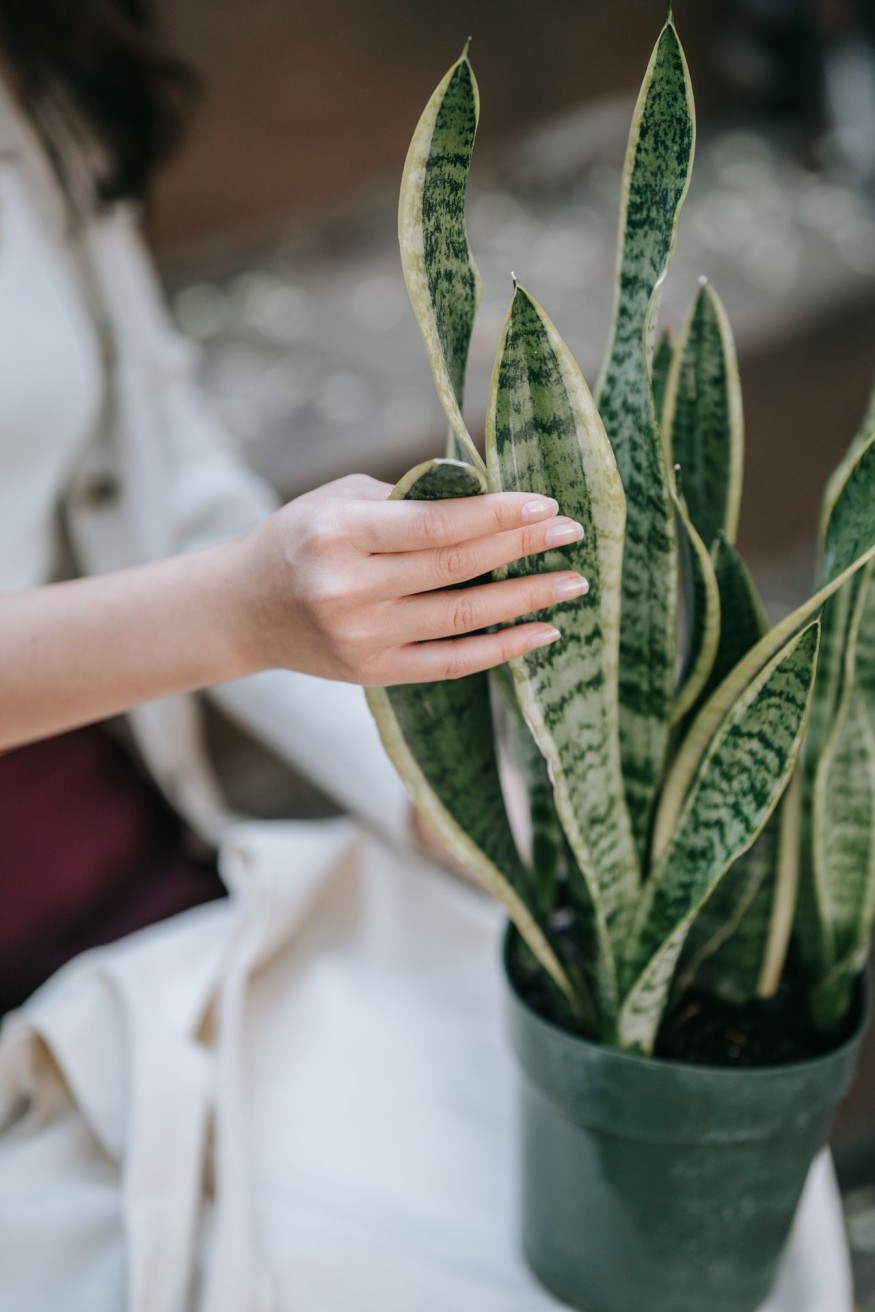
1. Snake Plant
The snake plant remains one of the best indoor plants for beginners thanks to its striking upright leaves and remarkable durability.
Its architectural shape complements modern, Scandinavian, and minimalist interiors while requiring very little attention.
Why it works well in shady spaces:
- Handles indirect light with ease.
- Tolerates occasional missed watering.
- Fits comfortably in bedrooms, hallways, and offices.
- Available in several leaf patterns and colors.
Although it grows more slowly in dim rooms, it continues to maintain healthy foliage with proper care.
2. ZZ Plant
The ZZ plant has become a favorite among interior designers because of its glossy leaves and sculptural appearance.
Native to eastern Africa, this resilient plant stores water in underground rhizomes, allowing it to thrive even when watering schedules are inconsistent.
Why homeowners love it
- Bright green leaves reflect available light.
- Requires minimal maintenance.
- Performs well in apartments and offices.
- Works beautifully in decorative ceramic planters.
Its polished appearance makes it an excellent addition to any biophilic home, especially in darker living spaces.
3. Peace Lily
For those looking to combine lush foliage with elegant flowers, the peace lily is a timeless option.
While it prefers bright indirect light, it continues to grow well in lower light conditions and occasionally rewards owners with graceful white blooms.
To keep a peace lily healthy:
- Water when the soil begins to dry.
- Wipe leaves occasionally to remove dust.
- Keep it away from cold drafts.
- Increase humidity during dry seasons if possible.
Since peace lilies are toxic if ingested, households with curious pets should place them out of reach or consider a pet-safe alternative.
4. Chinese Evergreen
Chinese evergreen offers far more than easy care. Modern varieties feature stunning combinations of green, silver, cream, pink, and even red foliage that brighten darker interiors without relying on flowers.
Its colorful leaves make it an excellent decorative feature in:
- Entryways.
- Bedrooms.
- Home offices.
- Reading corners.
Because it adapts well to indoor conditions, it is often recommended among the best indoor plants for homeowners seeking both beauty and convenience.
5. Cast Iron Plant
True to its name, the cast iron plant is incredibly resilient.
Originally popular in Victorian homes, it has made a strong comeback as homeowners embrace low maintenance greenery for contemporary interiors.
Benefits of the cast iron plant
- Thrives in deep shade.
- Handles occasional neglect.
- Produces elegant dark green foliage.
- Lives for many years with simple care.
Its slow growth makes it ideal for those who prefer plants that maintain a consistent size without frequent repotting.
6. Heartleaf Philodendron
Trailing vines instantly soften shelves, bookcases, and hanging planters, making the heartleaf philodendron one of the easiest ways to introduce greenery into smaller rooms.
Its heart-shaped leaves create a relaxed, welcoming atmosphere while requiring surprisingly little maintenance.
To encourage healthy growth:
- Allow vines to trail naturally or train them up a moss pole.
- Trim long stems to encourage fuller growth.
- Water when the top layer of soil feels dry.
- Rotate the pot every few weeks for even growth.
This versatile plant effortlessly supports a calming biophilic home aesthetic by adding movement and texture to interior spaces.
How to Design a Biophilic Home Using Low Light Plants
Creating a biophilic home goes beyond simply placing a few plants around the house. The goal is to make nature feel integrated into everyday living.
Simple styling ideas include:
- Mix tall floor plants with smaller tabletop varieties.
- Display trailing plants on floating shelves.
- Use woven baskets, stone pots, or natural ceramic containers.
- Group plants together to create layered displays.
- Position greenery near seating areas to make rooms feel more inviting.
Even homes with limited sunlight can achieve a lush, relaxing atmosphere through thoughtful placement and plant selection.
Common Low Light Houseplant Care Mistakes to Avoid
Many indoor plants fail because of well intentioned care rather than neglect.
Watch out for these common mistakes:
- Watering too frequently.
- Placing plants in completely dark rooms.
- Using pots without drainage holes.
- Ignoring dusty leaves that block light absorption.
- Fertilizing heavily during slow growth periods.
Allowing plants to adapt naturally to their environment often leads to stronger, healthier growth.
How to Choose the Best Indoor Plants for Your Space
Every home presents different lighting conditions and maintenance needs, so selecting the right plant is just as important as choosing an attractive variety.
Before buying, consider:
- The amount of natural light available.
- Room temperature throughout the year.
- Whether pets or young children have access to the plants.
- Available floor, shelf, or hanging space.
- How much time can realistically be devoted to plant care.
Matching these factors with the plant's growing requirements creates a healthier indoor environment while making maintenance much easier.
Transform Shady Corners Into a Beautiful Biophilic Home
Dark corners do not have to remain empty or uninspiring. By choosing the best indoor plants that naturally thrive in lower light, homeowners can introduce texture, color, and life into spaces that often go overlooked. Whether it is a resilient snake plant, an elegant peace lily, or a cascading heartleaf philodendron, each variety contributes to a more relaxing and inviting biophilic home while requiring surprisingly little effort to maintain.
Frequently Asked Questions
1. Can indoor plants survive without direct sunlight?
Yes. Many houseplants naturally grow beneath forest canopies and thrive in bright indirect or low light rather than direct sunlight. However, they still need some natural or artificial light to stay healthy.
2. Which low light houseplant is easiest for beginners?
Snake plants and ZZ plants are widely considered two of the easiest options because they tolerate lower light, require infrequent watering, and adapt well to typical indoor conditions.
3. How often should low light indoor plants be watered?
Watering depends on the plant and indoor conditions, but low light plants generally need less frequent watering because the soil dries more slowly. Checking the soil before watering is the best approach.
4. What are the best indoor plants for apartments with limited natural light?
Snake plants, ZZ plants, Chinese evergreens, cast iron plants, peace lilies, and heartleaf philodendrons are all excellent choices for apartments with shaded rooms or limited sunlight.


Bold Patterns, Warm Colors, and Festive Entrances Are Shaping This Season's Home Trends

Malibu's Celebrity Real Estate Market Faces New Challenges From Coastal Erosion

A Room-by-Room Guide to Better Home Lighting With the Right Lamps

Year-Round Garden Design: How to Create a Landscape With Lasting Interest

Built-In Wall Niche Ideas That Make Awkward Recesses Look Intentional


