Wake Up Refreshed: Sleep-Friendly Room Ideas & Bedroom Interior Design Tips
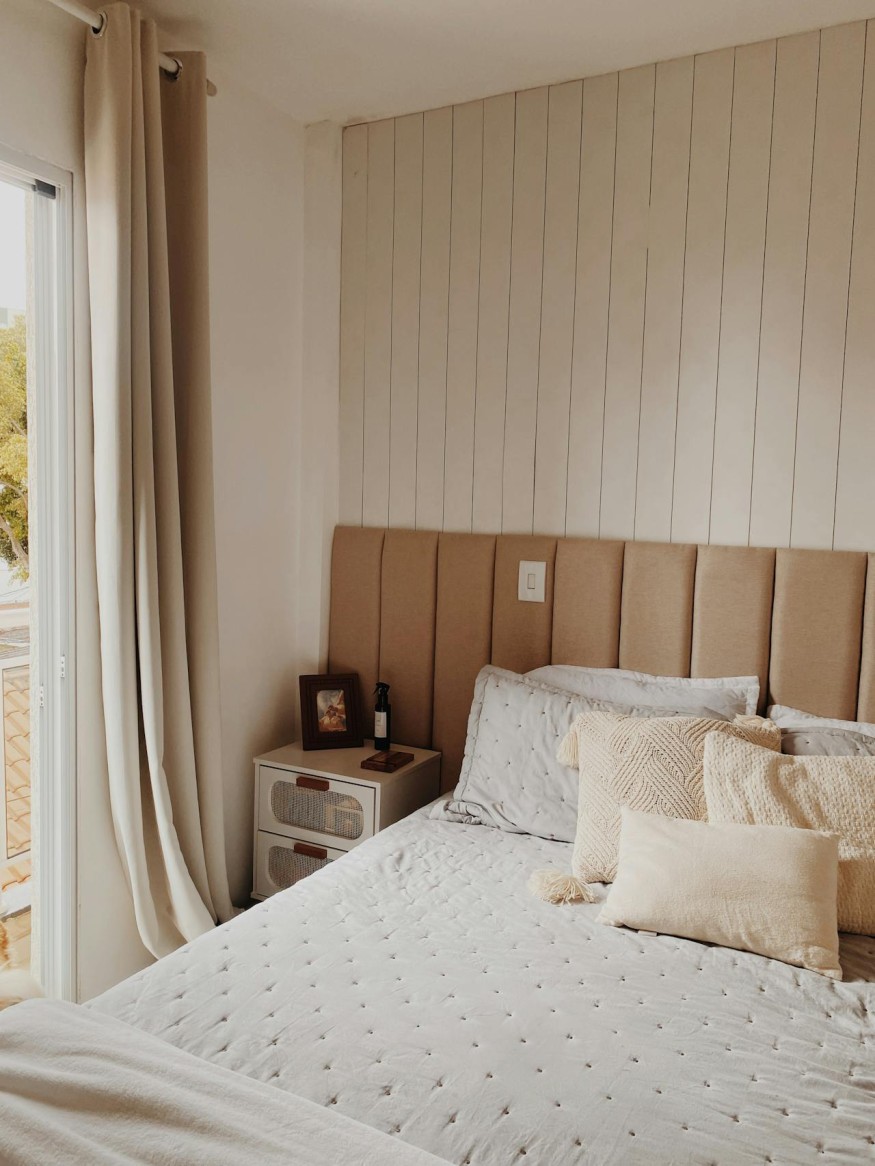
A well-designed bedroom plays a central role in sleep quality, mental recovery, and daily energy levels. Modern bedroom interior design increasingly focuses on wellness principles that support rest rather than overstimulation. Instead of treating the bedroom as only a visual space, wellness bedroom design considers lighting, air quality, layout, and sensory balance as interconnected elements that shape how the body prepares for sleep.
With growing interest in restorative living environments, homeowners are exploring sleep-friendly room ideas and practical bedroom decor ideas that make the bedroom a calm, functional retreat rather than a multipurpose, cluttered space.
Core Principles of Bedroom Interior Design for Wellness
Effective bedroom interior design for sleep begins with understanding how the body responds to environmental cues. The bedroom should signal rest through simplicity, consistency, and sensory calm.
Key principles include:
- Reducing visual clutter to support mental relaxation
- Prioritizing symmetry and balanced layouts for visual stability
- Limiting multi-use distractions such as work setups or high-activity zones
- Creating a consistent design language that encourages winding down
A wellness-oriented bedroom avoids overstimulation by keeping décor intentional and minimal. Every item, from furniture to wall art, contributes to either relaxation or distraction. In wellness bedroom design, less is often more, but not in a sterile sense. Instead, it is about curated simplicity that feels warm and grounded.
Layout Planning That Supports Better Sleep
Room layout directly affects how the brain interprets safety and comfort in the sleeping environment. A poorly planned bedroom can introduce subconscious tension, even if the design looks appealing.
Effective layout strategies include:
- Placing the bed in a stable, visually anchored position, ideally with a clear view of the room entrance
- Keeping pathways around the bed open for ease of movement and visual clarity
- Separating sleep space from storage-heavy or activity-heavy corners
- Avoiding direct alignment of the bed with doors or mirrors that create visual disruption
These sleep-friendly room ideas focus on reducing micro-distractions that interfere with rest. Even small adjustments in layout can improve the sense of calm within the space. The goal is to make the bedroom feel predictable and secure, which supports the body's natural sleep rhythm.
Lighting, Color, and Sensory Balance
Lighting is one of the most influential elements in bedroom interior design for wellness. The brain responds strongly to light temperature and intensity, which directly affects melatonin production and sleep readiness.
A well-balanced lighting approach includes:
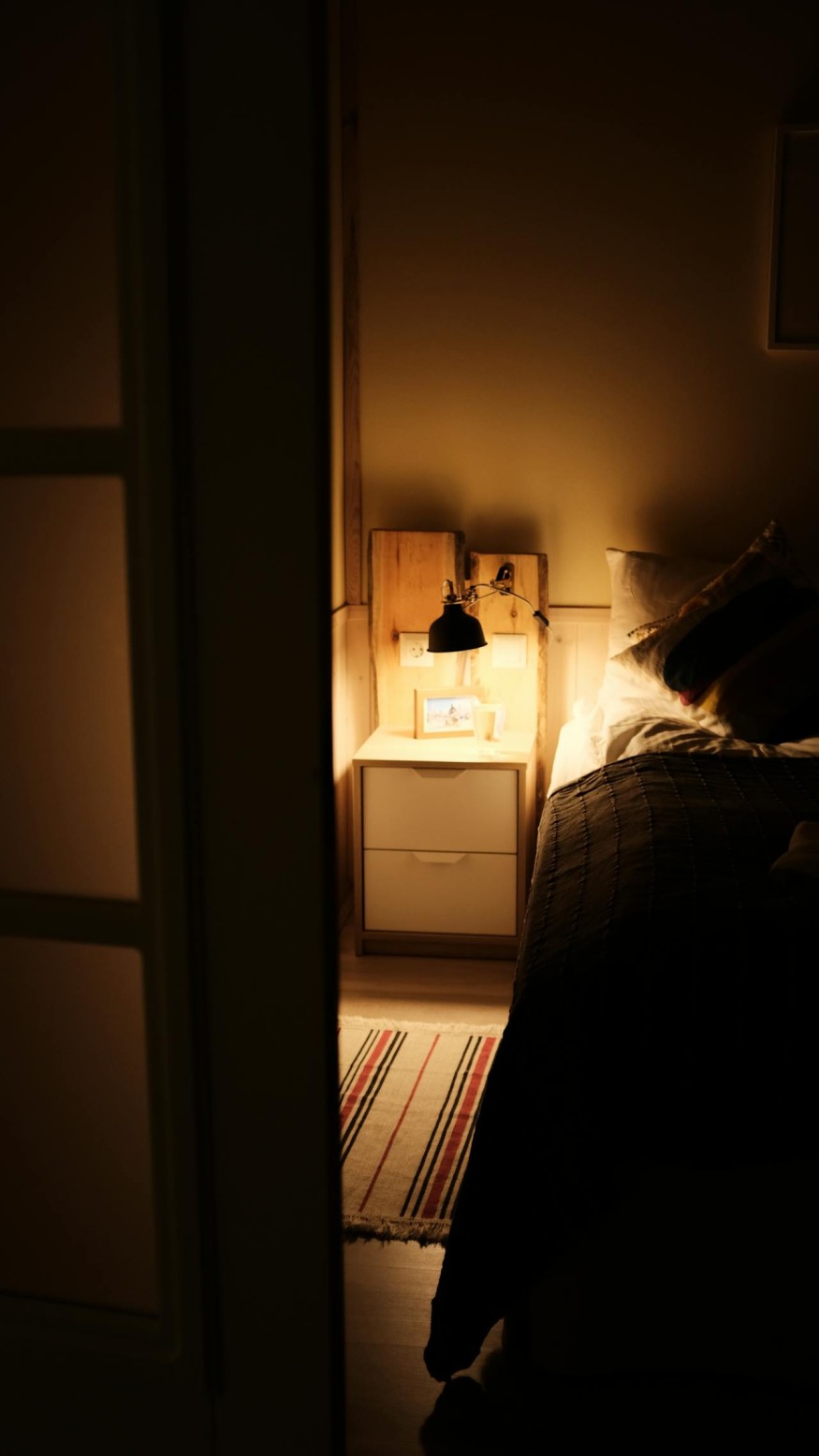
- Warm ambient lighting for evening relaxation
- Layered task lighting for reading or soft activities
- Blackout window treatments to control external light sources
- Dimmable fixtures that allow gradual transition into nighttime
Color selection also plays a major role in wellness bedroom design. Soft neutrals, muted greens, and gentle earth tones help maintain visual calm. Strong contrasts or overly saturated colors tend to stimulate attention rather than relaxation.
A balanced palette combined with controlled lighting creates a cohesive sensory experience that aligns with sleep-friendly room ideas and supports deeper rest.
Materials, Air Quality, and Physical Comfort
Material selection affects not only aesthetics but also air quality and tactile comfort. In wellness-focused bedrooms, surfaces and textiles are chosen to reduce irritation and enhance comfort.
Important considerations include:
- Natural fabrics such as cotton, linen, and wool for bedding and upholstery
- Solid wood or low-emission furniture materials for improved air quality
- Soft, breathable textures that regulate temperature and comfort
- Rugs and curtains that absorb sound and reduce echo in the room
Air quality is often overlooked in bedroom interior design, yet it has a strong influence on sleep quality. Good airflow, minimal synthetic odors, and occasional use of indoor plants can contribute to a fresher environment.
Temperature control also matters. A slightly cool and stable room environment is typically more supportive of uninterrupted sleep compared to fluctuating or overly warm conditions.
Sleep-Friendly Room Ideas and Bedroom Decor Ideas
Designing a bedroom for rest involves more than layout and lighting. Thoughtful bedroom decor ideas help reinforce the emotional tone of the space.
Effective design approaches include:
- Keeping wall décor minimal and thematically consistent
- Using layered bedding textures for comfort and visual softness
- Incorporating natural elements such as plants or wood accents
- Choosing decor that supports calm rather than stimulation
Additional sleep-friendly room ideas focus on habit alignment:
- Removing visible electronics or placing them in concealed storage
- Using soft-close storage solutions to reduce noise
- Maintaining a consistent visual rhythm across furniture and decor pieces
- Limiting decorative objects on surfaces to reduce mental clutter
When decor supports function, the bedroom becomes more than a styled space. It becomes a supportive environment that encourages rest without effort.
Designing a Restful Bedroom That Supports Better Sleep
A bedroom designed with wellness in mind brings together structure, sensory balance, and intentional simplicity. Instead of relying on visual trends alone, wellness bedroom design prioritizes how the space feels at night and how easily the mind transitions into rest.
When bedroom interior design is approached through the lens of sleep quality, even small adjustments such as lighting warmth, fabric choices, or furniture placement can shift the entire experience of the room. Over time, these changes help build a consistent environment that supports deeper and more restorative sleep patterns.
Frequently Asked Questions
1. What makes a bedroom design more sleep-friendly?
A sleep-friendly bedroom reduces stimulation through soft lighting, minimal clutter, and calming color palettes. Layout and airflow also play important roles in creating a stable rest environment.
2. How does wellness bedroom design improve sleep quality?
Wellness bedroom design focuses on aligning the physical environment with the body's natural rhythms. This includes optimizing lighting, air quality, materials, and spatial flow to support relaxation.
3. What are simple sleep-friendly room ideas for small bedrooms?
Simple approaches include using multifunctional storage, keeping surfaces clear, selecting light neutral colors, and using layered lighting instead of harsh overhead fixtures.
4. What are essential bedroom decor ideas for better relaxation?
Essential bedroom decor ideas include natural textures, minimal wall art, soft textiles, and decor pieces that promote calm rather than visual complexity.


From Craft Rooms to Music Studios: Why Dedicated Hobby Spaces Are Trending

Dr. Phil Lists Beverly Hills Mansion for $67.5 Million, More Than Double Its Purchase Price

From Bold Paint to Wood Paneling: Ceiling Ideas That Elevate Interiors

The Best Flooring Transitions for a Seamless Look Between Different Materials

How to Use Floating Furniture to Create Zones in an Open-Plan Home


