Wool, Polyester, or Polypropylene? How to Choose the Right Rug for Every Room
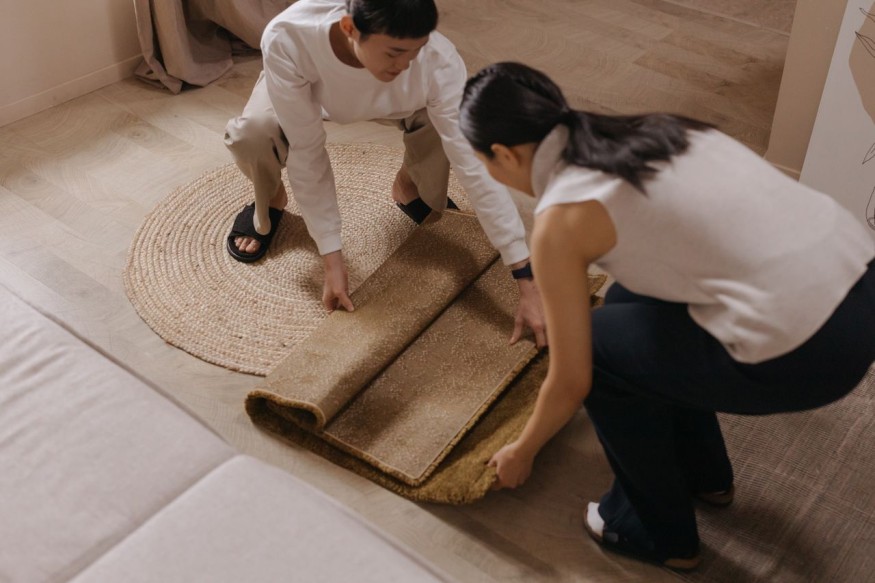
Choosing a rug involves more than finding a pattern that complements the furniture. Its material affects comfort, durability, stain resistance, maintenance, and overall cost. Wool, polyester, and polypropylene are three popular choices, each offering distinct advantages for different rooms and lifestyles.
Wool is valued for its natural resilience and warmth, while polyester offers softness and vibrant color options. Polypropylene is known for its practicality and resistance to moisture. Understanding these differences helps homeowners select a rug that suits their space, budget, and daily routines.
Wool Rugs: Natural Comfort and Durability
Wool rugs are made from natural animal fibers and are appreciated for their softness, warmth, and ability to recover from everyday pressure. Their naturally resilient structure can help the pile maintain its appearance, although quality and longevity depend on construction, density, and care.
Wool also adds texture to interiors. A neutral wool rug can soften a minimalist living room, while a patterned design can complement traditional furnishings or a layered, eclectic scheme.
The Benefits of Wool Rugs
Wool offers natural insulation and a comfortable feel underfoot, making it appealing for bedrooms, living rooms, and reading areas. Its fibers also accept dyes well, allowing manufacturers to produce a wide range of colors and patterns.
A quality wool rug can provide long-term value when maintained properly. However, wool generally costs more than synthetic alternatives. New rugs may shed, and spills should be addressed promptly to reduce the risk of staining.
Cleaning requirements vary by construction, so homeowners should follow the manufacturer's care instructions rather than using an unsuitable cleaning solution.
Where Wool Rugs Work Best
Wool is particularly suitable for living rooms and bedrooms where comfort and appearance are priorities. It can anchor a seating arrangement, soften hard flooring, and introduce a natural texture that complements wood, linen, leather, and stone.
For homeowners seeking a rug for long-term indoor use, wool is worth considering if the budget allows for the initial investment and appropriate maintenance.
Polyester Rugs: Softness and Color Variety
Polyester is a synthetic fiber commonly used in rugs because it can produce a soft surface and vivid colors. Depending on the pile and construction, polyester rugs may feel plush underfoot and provide an affordable way to introduce pattern or color into a room.
The Benefits of Polyester Rugs
Polyester generally absorbs relatively little moisture and can resist many common stains, although performance depends on the particular product and the type of spill. Its color versatility also makes it useful for contemporary interiors, colorful bedrooms, and decorative spaces.
Some polyester rugs are designed to be washable, but homeowners should check the manufacturer's instructions before attempting machine washing or using household cleaning products.
One limitation is that polyester pile can flatten under sustained pressure, particularly beneath heavy furniture or in frequently used walkways. Plush styles may therefore be better suited to bedrooms and moderately trafficked areas than busy entrances.
Where Polyester Rugs Work Best
Polyester rugs are worth considering for bedrooms, home offices, nurseries, and spaces where softness and color are important. They can also suit homeowners looking for a decorative rug without the higher cost associated with some natural-fiber options.
Before purchasing, compare pile height, backing, density, and cleaning requirements. These features can influence comfort and durability as much as the fiber itself.
Polypropylene Rugs: Practicality for Busy Homes
Polypropylene, also known as olefin, is a synthetic fiber frequently used in affordable indoor and outdoor rugs. Its low moisture absorption makes it a practical choice for areas where spills, dirt, and routine cleaning are concerns.
The Benefits of Polypropylene Rugs
Polypropylene is valued for its resistance to many common stains and its relatively straightforward maintenance requirements. Many designs are suitable for everyday family use, while outdoor-rated versions can work on patios and other exposed or semi-exposed areas.
However, not every polypropylene rug is designed for outdoor conditions. Homeowners should check whether the product is rated for sunlight, moisture, and the intended surface.
The material may not provide the same springy feel or pile recovery as a quality wool rug. Some polypropylene rugs can flatten under repeated pressure, especially when placed beneath heavy furniture.
Where Polypropylene Rugs Work Best
Polypropylene can be a practical option for entryways, family rooms, dining areas, playrooms, and suitable outdoor spaces. Low-pile designs may also make vacuuming and routine cleaning easier.
For households with children or pets, the material's practical care characteristics can be appealing. Nevertheless, homeowners should check the manufacturer's instructions because stain resistance does not mean a rug is immune to every spill or cleaning product.
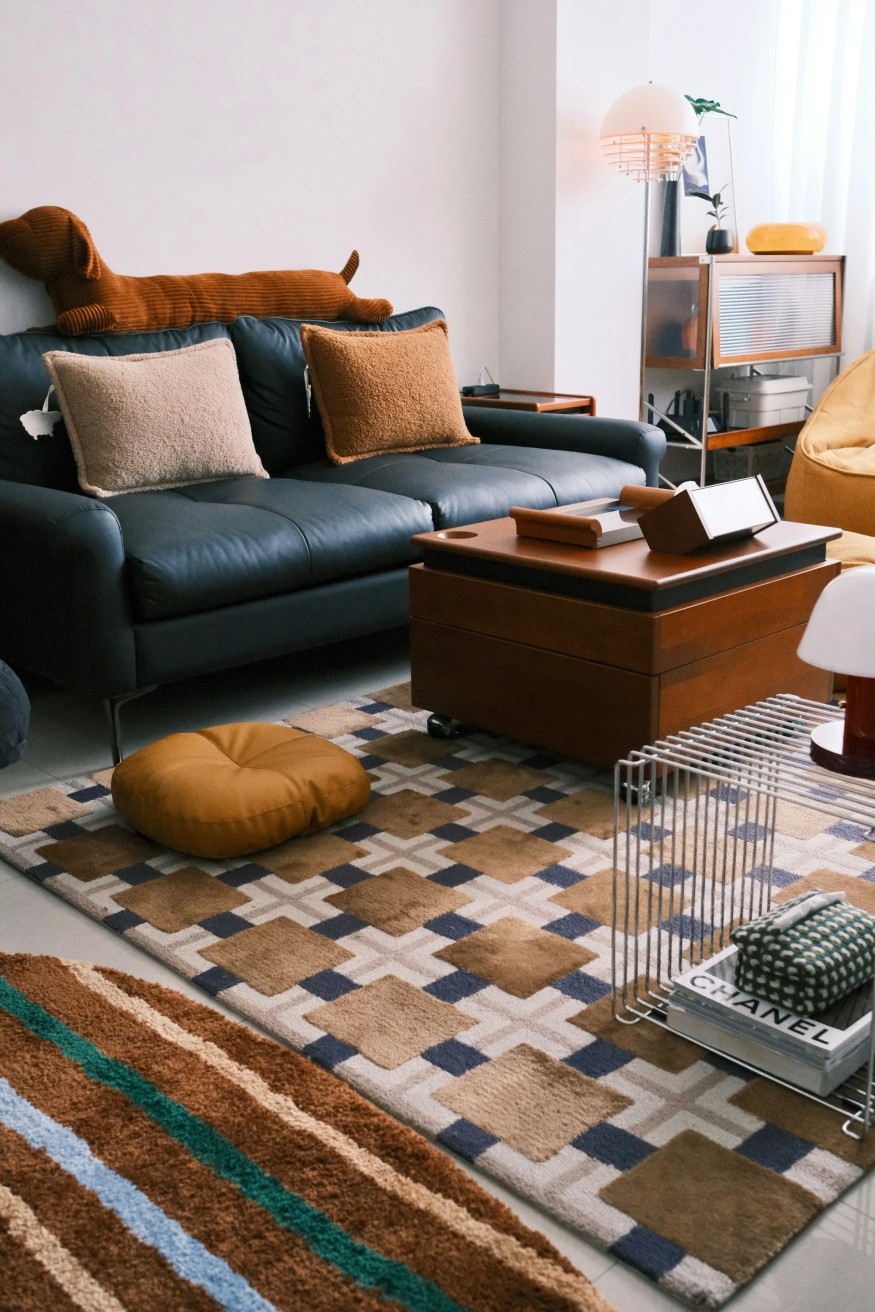
Wool vs. Polyester vs. Polypropylene: Which Is Best?
The best rug material depends on the room's requirements rather than a universal ranking.
Wool is best for natural comfort and resilience. Its warmth and texture make it a strong option for living rooms and bedrooms where long-term use is important. Its higher price and more careful cleaning requirements may not suit every household.
Polyester is best for softness and color versatility. It can offer a plush feel and decorative flexibility at a relatively accessible price. However, certain polyester piles may flatten in high-traffic areas.
Polypropylene is best for practical, easy-care applications. Its low moisture absorption and resistance to many common stains make it useful for busy households and suitable outdoor settings. Its texture and durability vary by construction.
Homeowners should consider the rug's intended placement, expected foot traffic, and maintenance requirements before deciding. A well-constructed rug made from the right material for its environment can offer better value than a more expensive option that does not suit the space.
How to Choose the Right Rug for Your Home
Start by assessing how the room is used. A bedroom usually prioritizes comfort, while an entrance needs a rug that can handle frequent foot traffic and tracked-in dirt.
Households with pets or young children may prefer a low-pile synthetic rug that is relatively easy to clean. A wool rug may be more appealing in a living room where natural texture and long-term comfort are priorities.
Size and placement also influence the final result. In a living room, the rug should help connect the seating arrangement rather than appear too small for the furniture. In a dining room, it should accommodate the table and allow chairs to remain on the rug when pulled out.
Color and pattern can affect the rug's practical performance, too. Medium-toned or patterned designs may disguise everyday dirt more effectively than pale, solid-colored rugs, although regular cleaning remains necessary.
Finally, consider the manufacturer's care instructions and any additional costs, including professional cleaning or a suitable rug pad. The purchase price is only one part of a rug's long-term value.
Frequently Asked Questions
1. Which rug material is the most durable?
High-quality wool rugs can offer excellent resilience and a long service life with appropriate care. However, durability depends on construction, pile density, placement, and maintenance. Polypropylene can be practical for busy households, while some polyester piles may flatten under repeated pressure.
2. Are polyester rugs better than polypropylene rugs?
Neither material is universally better. Polyester is often chosen for softness and color versatility, while polypropylene is frequently preferred for moisture resistance and straightforward maintenance. The best choice depends on the room and the specific rug's construction.
3. Which rug material is best for homes with pets?
Low-pile polypropylene and suitable polyester rugs can be practical options because many are relatively easy to clean. Wool can also work in pet-friendly homes, but spills and accidents require prompt attention. Pile height, backing, and care instructions should influence the decision.

From Craft Rooms to Music Studios: Why Dedicated Hobby Spaces Are Trending

Dr. Phil Lists Beverly Hills Mansion for $67.5 Million, More Than Double Its Purchase Price

From Bold Paint to Wood Paneling: Ceiling Ideas That Elevate Interiors

The Best Flooring Transitions for a Seamless Look Between Different Materials

How to Use Floating Furniture to Create Zones in an Open-Plan Home


