Wood-Look Tile Is Trending, but Does It Really Compare With Hardwood?
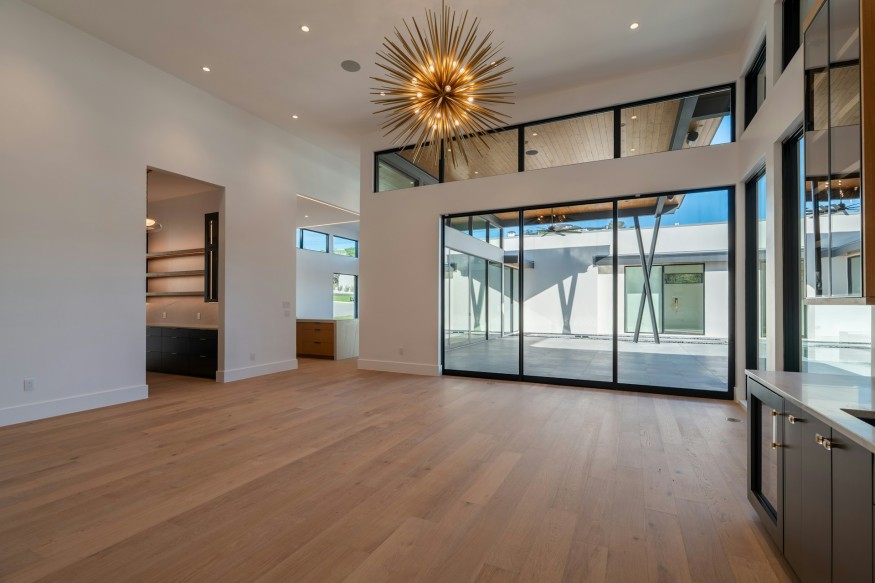
Hardwood floors have long been valued for their natural grain, warmth and ability to complement different interior styles. However, advances in ceramic and porcelain manufacturing are giving homeowners another option: wood-look tile, a flooring material designed to replicate timber while offering the durability of tile.
The trend is gaining renewed attention as manufacturers introduce more realistic textures, varied grain patterns and plank formats. At the 2026 Cersaie exhibition in Bologna, Italy, new collections highlighted how closely contemporary wood-look porcelain can resemble natural materials. According to House Beautiful's report on the wood-look tile trend, the material is increasingly appealing in spaces where traditional hardwood can be difficult to maintain.
Still, wood-look tile is not necessarily replacing hardwood across the home. The two materials serve different needs, and the best choice depends on a room's moisture exposure, desired atmosphere, maintenance requirements and budget.
What Is Wood-Look Tile?
Wood-look tile is a ceramic or porcelain flooring product manufactured to resemble natural timber. Digital printing recreates the grain, knots and tonal variation of wood, while textured finishes can reproduce the feel of sawn or brushed boards.
Porcelain versions are particularly popular in kitchens, bathrooms, laundry rooms and entryways because they resist moisture and everyday wear. Unlike natural wood, porcelain does not swell or contract in response to humidity in the same way, making it suitable for environments where spills and dampness are common.
Modern manufacturing has also improved the available design options. Homeowners can find tile inspired by pale oak, walnut, ash and reclaimed timber, along with long planks that imitate the proportions of traditional hardwood boards.
The quality of the imitation varies, however. Repeated grain patterns, overly glossy surfaces and contrasting grout lines can make inexpensive products look artificial. More convincing options feature varied prints, realistic surface textures and grout colors that blend with the tile.
Why Designers Are Considering Wood-Look Tile
The appeal goes beyond appearance. Wood-look tile addresses practical concerns that can make natural hardwood unsuitable for certain areas of a home.
Moisture Resistance and Durability
Porcelain tile is well suited to spaces exposed to splashes, muddy shoes and frequent cleaning. It does not require sanding or refinishing, and its hard surface generally resists scratches better than many wood finishes.
This makes it a practical option for households with children, pets or busy entryways. It can also create a consistent flooring appearance across kitchens, bathrooms and utility areas without introducing the same moisture concerns associated with natural timber.
A Wider Range of Design Options
Wood-look tile is available in multiple colors, plank lengths and finishes. Light oak-inspired designs can support Scandinavian and contemporary interiors, while darker walnut tones suit more traditional or dramatic spaces.
The material can also work with stone countertops, painted cabinetry and minimalist furnishings. Its versatility allows homeowners to introduce a wood-inspired aesthetic without relying on actual timber in every room.
Less Refinishing Over Time
Hardwood floors can often be sanded and refinished to address scratches, discoloration and surface wear. Wood-look tile does not offer that option, but it generally requires less intensive surface maintenance.
Routine sweeping and damp mopping are usually sufficient for everyday care. Grout lines may require additional cleaning, and damaged tiles can be difficult to replace seamlessly if matching stock is unavailable.
Where Wood-Look Tile Works Best
Wood-look tile is most useful where homeowners want the appearance of timber but need a floor that handles moisture or heavy use.
- Bathrooms: Porcelain tile tolerates moisture and frequent cleaning, although the selected finish must provide suitable traction.
- Kitchens: The material handles spills and food-related messes without the same risk of water damage associated with hardwood.
- Laundry rooms: It offers a practical surface in spaces where leaks and dampness are possible.
- Entryways and mudrooms: Tile can withstand tracked-in dirt, wet footwear and regular cleaning.
- Coastal or humid homes: Porcelain provides a wood-inspired aesthetic without the same sensitivity to humidity as natural timber.
These applications do not mean tile is automatically the best option for every room. Living rooms and bedrooms often benefit from the natural warmth and softer acoustic qualities of hardwood, especially where comfort underfoot is a priority.
The Drawbacks Homeowners Should Consider
Despite its practical advantages, wood-look tile has limitations that can affect everyday comfort.
The first is temperature. Porcelain often feels colder underfoot than hardwood, particularly during cooler weather. Underfloor heating can improve comfort, but it adds to the project cost.
Tile is also harder and less forgiving when standing for extended periods. Dropped dishes are more likely to break, and the sound of footsteps can feel sharper than it does on wood.
Installation presents another challenge. Long planks require a properly prepared, sufficiently flat substrate, and uneven edges can become noticeable across the finished floor. Professional installation is particularly important when the layout includes large-format planks or narrow grout joints.
Finally, the material lacks the natural variation of real timber. Even high-quality printing cannot fully reproduce the depth, tactile character and unique grain of individual wooden boards. Homeowners who value authentic materials may continue to prefer hardwood in prominent living spaces.
How Wood-Look Tile Compares With Hardwood
The main difference is the balance between practicality and natural character.
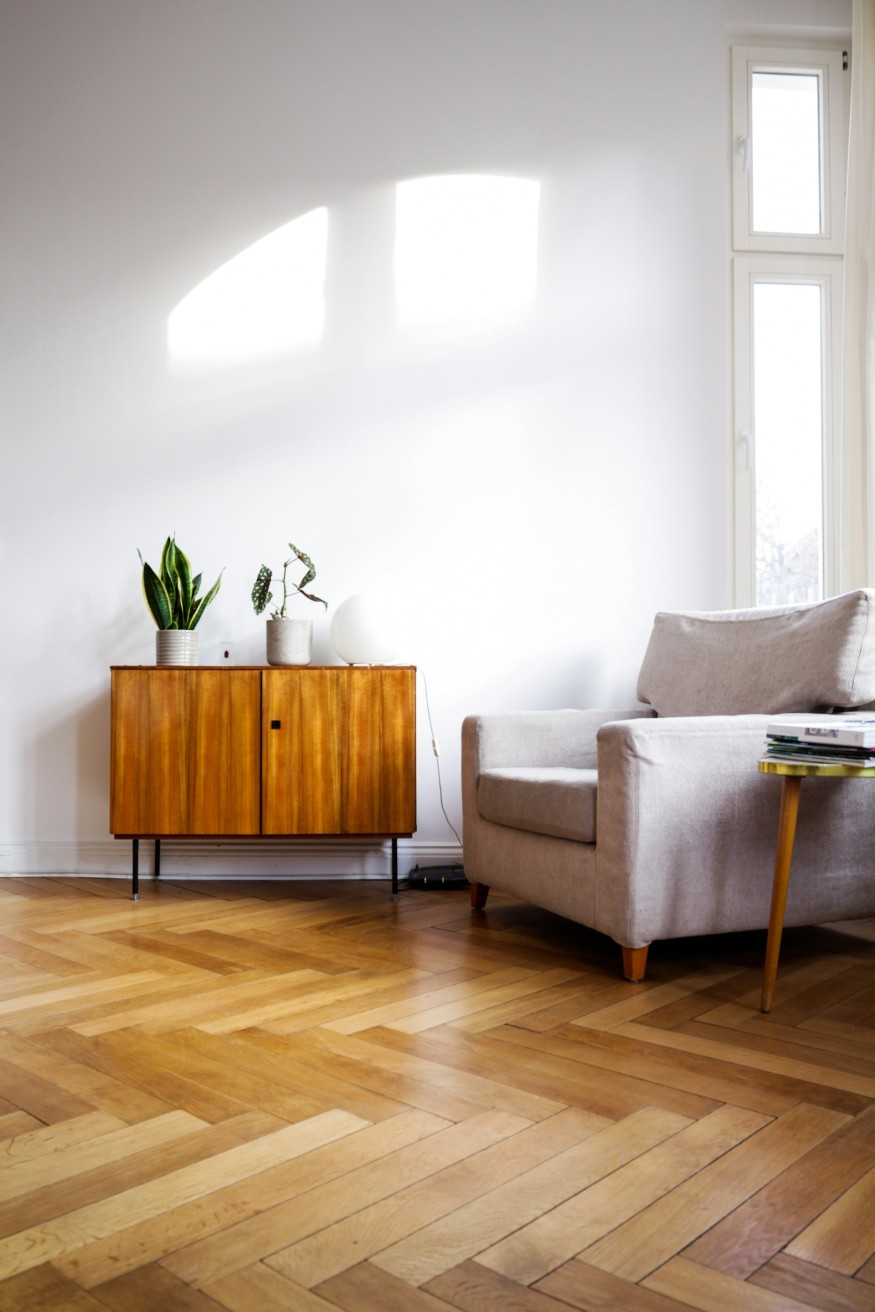
Hardwood offers warmth, a distinctive grain and the possibility of refinishing the surface multiple times, depending on its construction and remaining wear layer. It is often a strong choice for bedrooms, living rooms and other relatively dry spaces.
Wood-look porcelain prioritizes moisture resistance, durability and straightforward maintenance. It is especially useful in areas where water exposure would make natural wood more difficult to maintain.
Cost also depends on more than the material price. Tile installation can require substantial labor, floor preparation, grout and specialized cutting. Hardwood projects may involve subfloor work, finishing and future maintenance expenses. Comparing complete installed estimates is more useful than comparing product prices alone.
How to Choose a Wood-Look Floor That Feels Timeless
A convincing result begins with choosing a finish that suits the home's architecture rather than following a short-lived trend. Natural-looking colors, restrained grain variation and matte or lightly textured surfaces can help the floor feel more authentic.
Samples should be viewed across a larger area and under the room's actual lighting. Homeowners should also check how frequently patterns repeat, whether the tile provides appropriate slip resistance and whether the installer has experience with plank formats.
The grout color and layout deserve equal attention. A closely coordinated grout shade helps create visual continuity, while a carefully planned plank arrangement avoids an overly repetitive appearance.
Wood-Look Tile Is an Alternative, Not a Universal Replacement
Wood-look tile is expanding the possibilities for homeowners who want a timber-inspired interior without the maintenance demands of natural wood in wet or high-traffic spaces. Improvements in printing and surface finishes have made it a more convincing design option than earlier versions.
However, hardwood remains a strong choice where authentic grain, warmth and refinishing potential matter most. Rather than treating one material as a replacement for the other, homeowners can select flooring according to each room's requirements, creating interiors that balance durability with natural character.
Frequently Asked Questions
1. Is wood-look tile better than hardwood?
Neither material is universally better. Wood-look porcelain is more practical in wet areas, while hardwood offers natural variation, warmth and the ability to be refinished.
2. Does wood-look tile look realistic?
Higher-quality products can closely imitate wood grain and texture. Realism depends on print variation, surface finish, plank proportions and installation quality.
3. Can wood-look tile be used throughout a house?
Yes, provided the product is appropriate for each space. However, its hard surface and cooler feel may make hardwood or another softer flooring material preferable in bedrooms and living areas.
4. Is wood-look tile expensive to install?
Installation costs vary according to the tile, subfloor preparation, room layout and local labor rates. Large-format planks can require additional installation expertise, so homeowners should compare complete project estimates.


From Craft Rooms to Music Studios: Why Dedicated Hobby Spaces Are Trending

The Best Flooring Transitions for a Seamless Look Between Different Materials

Malibu's Celebrity Real Estate Market Faces New Challenges From Coastal Erosion

Bold Patterns, Warm Colors, and Festive Entrances Are Shaping This Season's Home Trends

Dr. Phil Lists Beverly Hills Mansion for $67.5 Million, More Than Double Its Purchase Price


