Constructing Character: The Visionary Design of Jiayun ”Lucy” Zhang

Jiayun "Lucy" Zhang doesn't just build movie sets; she builds the unspoken lives of the people who inhabit them. If you walk onto one of her sets, you aren't just looking at walls and furniture; you are stepping directly into a character's mind. As an award-winning production designer, she has completely rethought what it means to construct a cinematic environment, earning the deep respect of directors, cinematographers, and crew members alike.
Consider, for example, a crucial scene in the independent film Gardeners. Originally, the sequence was scripted to take place in a dining room, a classic, tight interior designed to make the audience feel the claustrophobic tension of the walls closing in. But filmmaking is famously unpredictable: the location fell through, and the budget dried up.
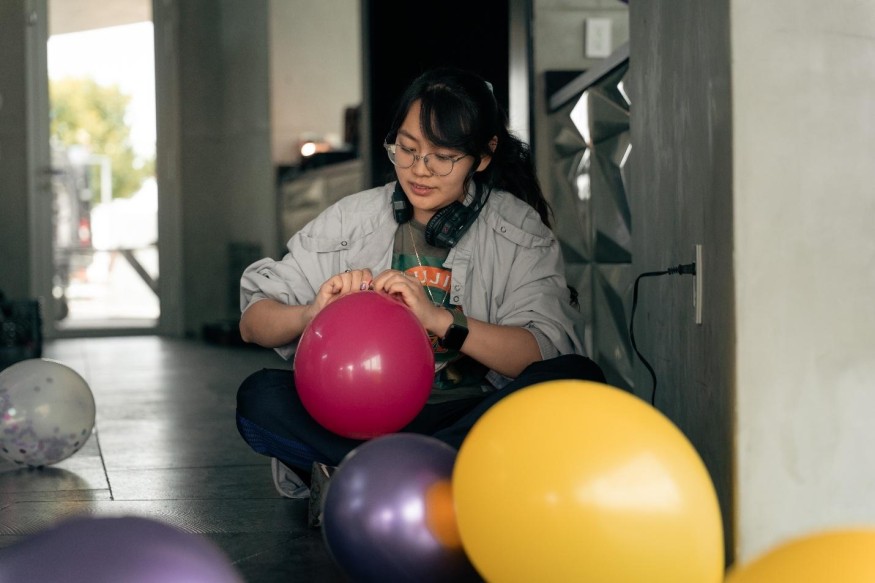
Instead of panicking, Zhang suggested something radical: move the dinner outside. The director was naturally hesitant. Shooting a highly emotional, precise scene outdoors is usually a logistical and lighting nightmare. But Zhang saw an opportunity. She knew that the shifting natural light and the open, airy landscape would bring a quiet, poetic weight to the moment that a stuffy dining room never could. The director took a leap of faith, the actors fed off the outdoor energy, and the resulting scene became absolute magic. What started as a massive production headache turned into the emotional heart of the film.
That ability to turn an obstacle into a masterpiece is exactly what makes Zhang so distinct. For her, physical environments are never passive backdrops.
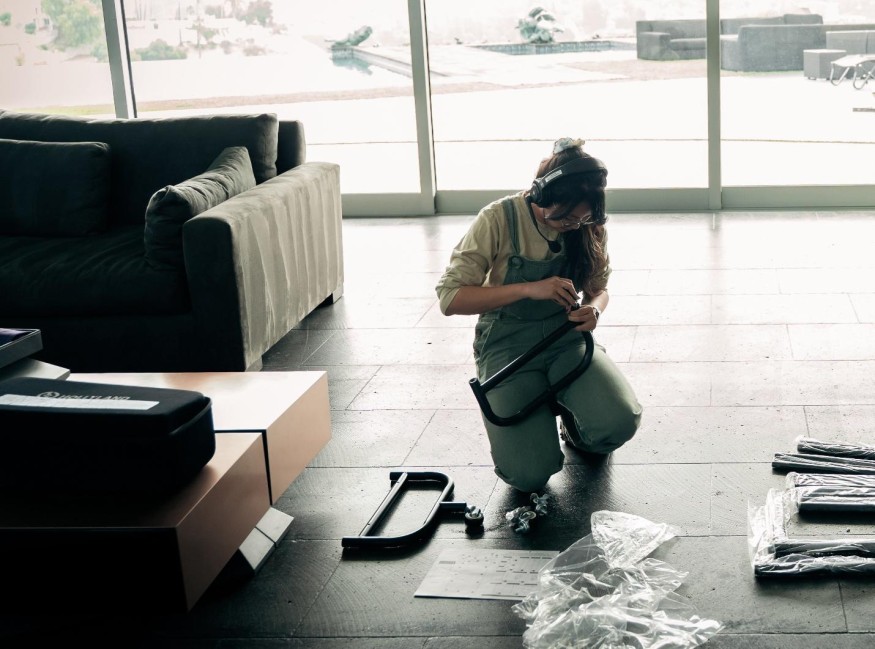
"I never think of a room as a backdrop. A room is a biography," Zhang notes. "Every object tells you what a character values, what they're hiding, and what they can't let go of. By the time we shoot, space is already telling the story before a single line of dialogue is spoken."
Her creative process starts in a place many designers bypass entirely: pure emotion. Before she ever looks at budgets or prop lists, she reads the script simply to feel it.
"I always ask myself how these characters move, what their hands reach for, what they leave behind," Zhang shares. "It's always in service of that first emotional instinct; the technical work comes after."
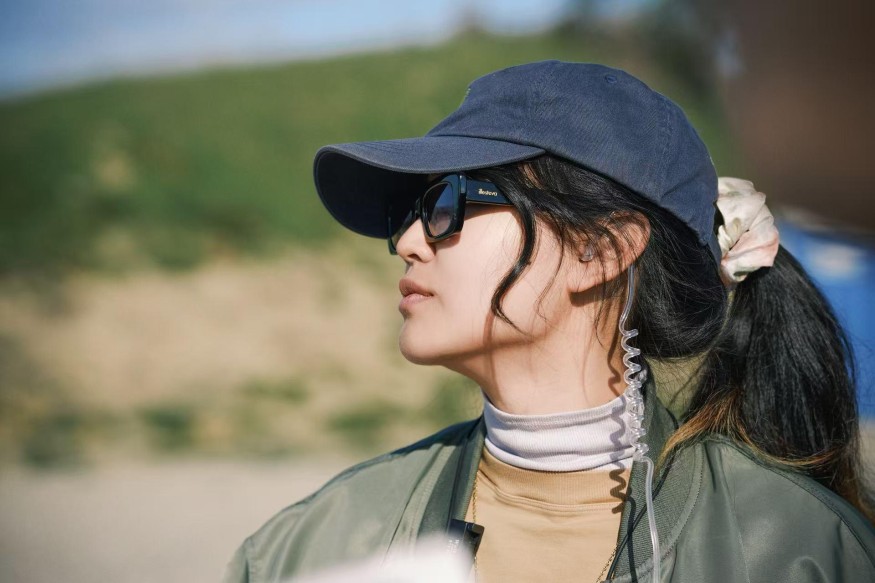
Only after she has established that instinctive mental picture does she pull out the highlighters and spreadsheets. Even when she is deep in grueling technical tasks such as color-coding props and breaking down scenes, she remains focused on the psychological subtext.
For Zhang, a room is a direct extension of a character's subconscious. She fills her sets with layers of silent history, answering questions the script never explicitly asks: What is this character hiding? What do they refuse to throw away? Under her direction, a simple, carefully placed prop becomes a physical secret. By the time the director yells "action," the room is already speaking.
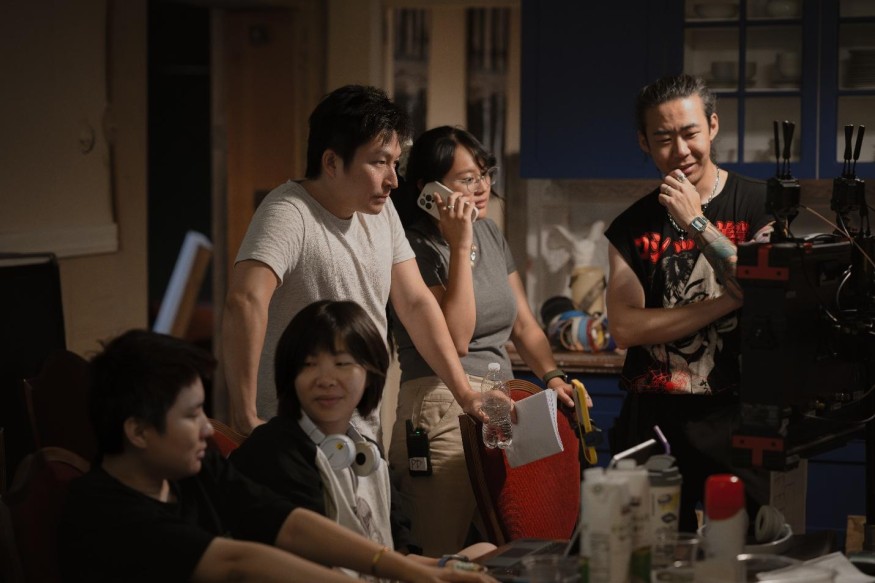
This incredible eye for detail comes from a life spent observing. Whether she is hiking in the woods, wandering through historic buildings, flipping through odd books at thrift stores, or drawing on her background in traditional Chinese calligraphy, which taught her the beauty of negative space, Zhang absorbs the world like a sponge. Every small detail she encounters is filed away for future use.
If you ask her what makes great production design, her answer is delightfully simple: you shouldn't notice it at all. The best design is invisible. It should feel so incredibly natural that the audience simply accepts it as reality. Every single item on her set must pass a rigorous test: Why is it here? If it doesn't serve the story or the character, it is gone.
Zhang is far more than a solitary visionary; she is a deeply collaborative leader. Long before cameras roll, she compiles extensive lookbooks filled with color palettes, textures, and architectural ideas so the entire art department shares a single, unified vision. Rather than handing down simple orders, she explains the narrative reasoning behind her choices. When challenges inevitably arise on set, she relies on her background in managing complex operations to keep the team calm, focused, and organized.
Perhaps her most underrated superpower is knowing exactly when to spend and when to save. When money is tight, Zhang acts with surgical precision. She invests heavily in the key, tactile pieces that the actors will physically touch and use, while using clever lighting, textures, and layout strategies to stretch the budget elsewhere.
This brilliant resourcefulness has caught the industry's attention. In 2026, Zhang took home the Gold Award for Production Design at the International Independent Film Awards for Gardeners, alongside a Bronze Award at the Independent Shorts Awards and a Special Mention at the Five Continents International Film Festival. She is the first to tell you that awards aren't the goal, but they do prove one thing: those tiny, invisible details that audiences only subconsciously feel absolutely matter.
Yet, of all her achievements, the project she holds closest to her heart is Isabella Uzcátegui's film Flashlight. Shot entirely on a soundstage, it tells a story about the heavy emotional toll of leaving an old life behind. Rather than trying to hide the fact that they were filming on a stage, Zhang leaned into it. She designed spaces that felt deliberately transitional, places where nothing felt entirely settled, perfectly mirroring the main character's emotional limbo.

She is equally fearless when it comes to breaking conventional rules. When tasked with designing a drama series created specifically for vertical smartphone screens, she didn't just crop a standard widescreen shot. Instead, she completely rethought the physical space, utilizing tall architecture and layered depth to make a narrow phone screen feel massive and cinematic.
As the film industry leans more heavily into digital tools like Unreal Engine and artificial intelligence, Zhang embraces them, but never at the expense of physical, tactile craftsmanship. Grounded by her early roots in theater, she understands that physical reality and digital enhancement must work together to build something that feels genuinely real.
Her growing legacy proves a simple truth: production design isn't just about hammering together wooden sets. It is the profound art of telling a human story through space. In Lucy Zhang's hands, a beautifully built room and a deeply moving story are one and the same.
Please follow Jiayun "Lucy" Zhang:
https://www.jiayunlucyzhang.com/
https://www.instagram.com/lucy_zhangjy/?utm_source=ig_web_button_share_sheet


Staud Home Has Arrived With Playful Ceramics, Leather Goods and More

Don't Leave Your Empty Fireplace Bare: Designers Share What to Do Instead

The Essential Guide to Designing a Root Cellar for Winter Produce

5 Home Decor Items Interior Designers Skip, and What They Choose Instead

10 Low-Light Houseplants That Can Thrive in Your Home's Shadiest Corners


