Why Slow Decor Is Replacing Fast Trends in the Curated Home With Meaningful Objet d’Art
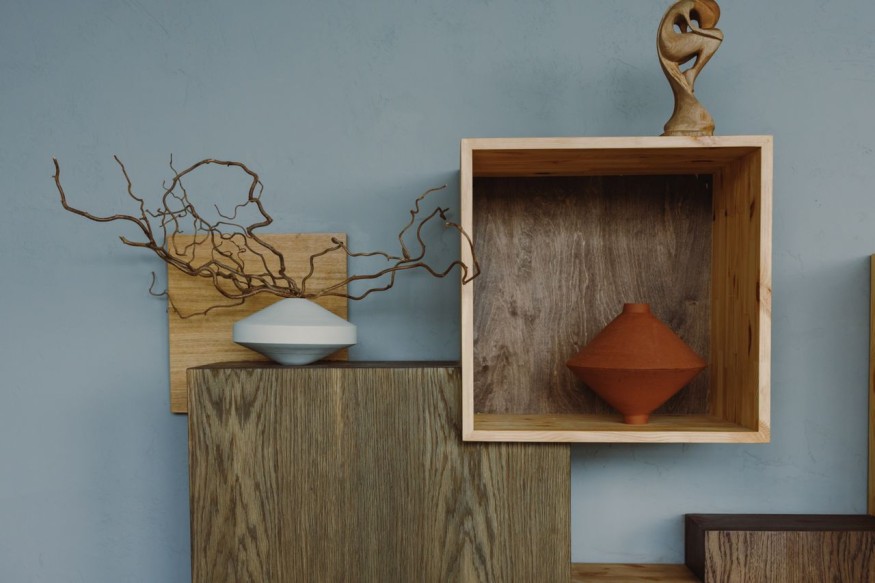
Walk through many beautifully styled homes today, and a noticeable shift has taken place. Perfectly coordinated shelves filled with mass produced accessories are giving way to spaces that feel personal, layered, and thoughtfully assembled. Instead of purchasing trendy pieces that quickly lose their appeal, homeowners are embracing slow decor, an approach that values meaningful objects, craftsmanship, and intentional design.
This growing movement reflects a desire to create interiors that tell a story rather than simply follow the latest trend. A curated home is not built in a single shopping trip. It develops over time through carefully chosen artwork, vintage finds, travel souvenirs, family heirlooms, and carefully selected objet d'art that reflects the people who live there. The result is a home with depth, character, and lasting appeal.
What Is Slow Decor and Why Is It Becoming More Popular?
Slow decor is a design philosophy centered on mindful purchasing instead of impulse buying. Rather than replacing decorative accessories every season, homeowners invest in timeless pieces that continue to bring value and enjoyment for years.
This approach has become increasingly attractive as many people recognize that homes should evolve naturally alongside their lives. Instead of recreating social media trends, slow decor encourages collecting pieces with genuine meaning. Whether it is a handcrafted ceramic vase, a sculpture from a local artist, or an antique discovered during travel, each item contributes to a richer narrative within the home.
Unlike fast decor, which often focuses on quantity and quick style updates, slow decor celebrates patience. Rooms become layered over time, allowing personal taste to develop organically. This gradual process often results in interiors that feel more welcoming because every object has a purpose beyond simply filling empty space.
How Objet d'Art Brings Personality Into Every Room
One of the defining features of a curated home is the thoughtful use of objet d'art. These decorative pieces go beyond ordinary accessories by serving as artistic focal points that spark conversation and express individuality.
Objet d'art can take many forms. Sculptures, artisan ceramics, carved wooden pieces, hand blown glass, vintage collectibles, and contemporary artwork all fall within this category. Their value lies not only in appearance but also in craftsmanship, history, or personal significance.
Instead of covering every shelf with matching decorations, designers often recommend highlighting one or two exceptional pieces that naturally draw attention. A carefully displayed sculpture on a console table or a unique ceramic vessel on an open shelf creates visual interest without overwhelming the room.
The beauty of objet d'art is its versatility. Traditional homes can showcase antique sculptures, while modern interiors may feature minimalist ceramics or abstract pieces. Regardless of style, these artistic objects introduce texture, contrast, and authenticity.
What Makes a Home Feel Curated Instead of Cluttered?
Many people assume that displaying collections automatically creates visual clutter. In reality, a curated home depends more on thoughtful editing than on the number of objects displayed.
Successful curation begins with intention. Decorative pieces should complement one another without competing for attention. Empty space also plays an important role by allowing meaningful objects to stand out.
Collections become more visually appealing when grouped according to shared materials, colors, themes, or stories. A shelf displaying handmade pottery from different travels often feels more cohesive than one filled with unrelated decorative accessories purchased at random.
Lighting also contributes to a curated appearance. Natural light, accent lighting, and carefully positioned lamps help highlight special pieces while creating depth throughout the room.
How to Start Building a Meaningful Collection
Creating a curated home does not require an expensive renovation or an extensive collection. It begins with thoughtful decisions and a willingness to collect gradually rather than decorating all at once.
- Choose objet d'art that reflects personal experiences, interests, or craftsmanship rather than passing trends.
- Mix vintage treasures, artisan-made pieces, antiques, and contemporary designs for a layered look.
- Display collections with breathing room instead of filling every available surface.
- Rotate seasonal or sentimental objects throughout the year to keep displays feeling fresh.
- Allow the collection to grow naturally instead of rushing to complete a room.
This intentional approach often results in interiors that feel authentic because every piece contributes to the home's overall story.
Why Fast Decor Is Losing Its Appeal
Fast decor made it easy to refresh interiors quickly, but many homeowners have discovered its limitations. Trend-driven accessories often lose their appeal once styles change, leading to frequent replacements and unnecessary spending.
Slow decor offers an alternative that emphasizes quality and longevity. Handmade furniture, artisan pottery, vintage artwork, and meaningful collections often remain relevant despite changing trends because they are chosen for personal significance rather than popularity.
There is also a growing appreciation for craftsmanship. Handmade items frequently display unique textures, subtle imperfections, and artistic details that cannot be replicated by mass production. These qualities add warmth and authenticity to a room while supporting skilled artisans and traditional techniques.
Rather than chasing every seasonal decorating trend, homeowners increasingly prefer interiors that evolve slowly and reflect their own experiences. This creates a stronger emotional connection to the home and reduces the pressure to constantly update every room.
How Designers Create Timeless Curated Homes
Professional designers rarely approach a curated home as a finished project. Instead, they view it as an evolving collection that becomes richer over time.
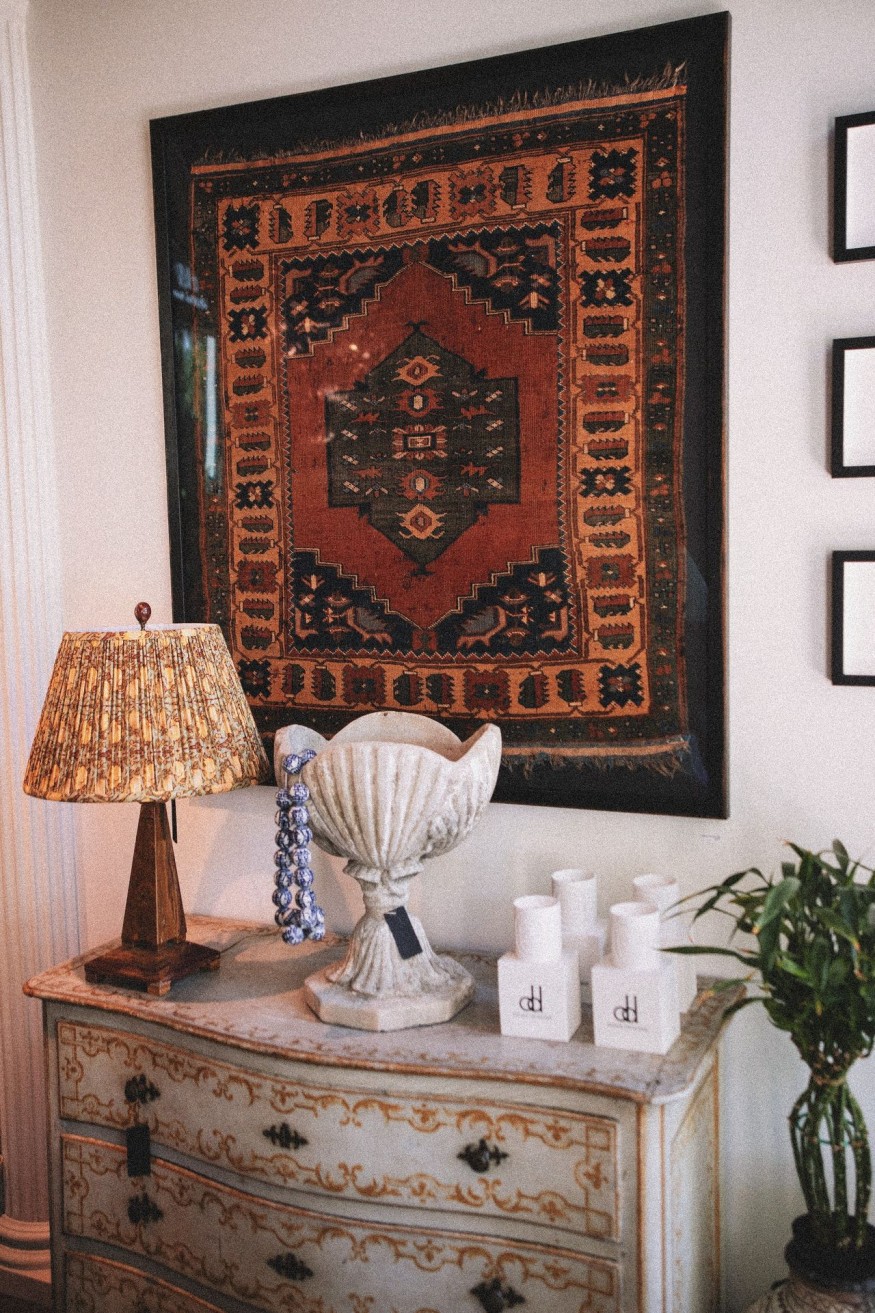
They often begin with foundational furniture in neutral or classic styles before introducing carefully selected layers of artwork, textiles, books, antiques, and objets d'art. These additions provide personality while maintaining visual balance throughout the space.
Designers also encourage mixing different periods and materials. An antique wooden cabinet may sit comfortably beside a contemporary chair, while handcrafted ceramics can complement sleek stone surfaces. This combination creates interiors that feel collected rather than decorated.
Most importantly, designers understand the value of restraint. Every piece is chosen with intention, allowing each object to contribute to the overall atmosphere without competing for attention. The result is a home that feels lived in, personal, and enduring.
Create a Curated Home That Reflects Your Story
The growing popularity of slow decor highlights a broader appreciation for homes that celebrate individuality instead of temporary trends. By carefully selecting meaningful objets d'art, embracing thoughtful collections, and allowing interiors to evolve naturally, homeowners can create a truly curated home filled with character and lasting beauty. Rather than measuring success by the number of decorative accessories on display, intentional curation focuses on the stories behind each piece, creating spaces that remain inviting, authentic, and deeply personal for years to come.
Frequently Asked Questions
1. What is objet d'art in interior design?
Objet d'art refers to decorative artistic pieces such as sculptures, ceramics, handcrafted vessels, and unique collectibles that serve as focal points while adding personality and visual interest to a space.
2. What is a curated home?
A curated home is an interior that has been thoughtfully assembled over time using meaningful furniture, artwork, heirlooms, and decorative objects instead of relying solely on matching or trend-driven decor.
3. How is slow decor different from traditional decorating?
Slow decor emphasizes intentional purchasing, timeless design, and gradual collection building, while traditional trend-based decorating often focuses on frequent style updates and seasonal accessories.
4. Can a curated home work with minimalist interiors?
Yes. Minimalist spaces often benefit from intentional curation because a small selection of meaningful objet d'art can create visual impact while preserving the clean and uncluttered aesthetic.


Marilyn Monroe's Former Palm Springs Home Sells for $2.81 Million as New Owner Plans Restoration

Where to Buy a Christmas Tree in 2026, From Charlie Brown Chic to Ralph Lauren Classics

Lion Green Road Wins the Stirling Prize for Its Innovative Approach to Housing

IKEA's New Art Collection Turns Everyday Home Decor Into Affordable Designer Art

Sherwin-Williams's 2027 Color Forecast Unveils 48 Rich Colors to Refresh Your Home in 2027


