Gardeners Should Do These Things Before Winter to Protect Their Plants
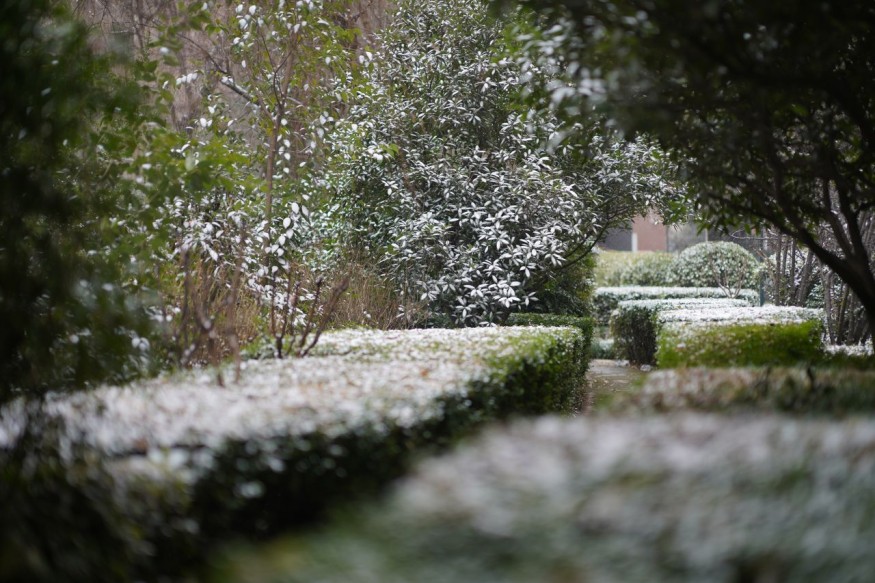
Preparing a garden for winter involves more than clearing fallen leaves and putting away outdoor furniture. As temperatures drop, plants face several challenges, including freezing soil, drying winds, fluctuating temperatures, and reduced access to water. Winterizing a garden helps protect vulnerable plants, preserve soil health, and create better growing conditions for the following spring.
The right approach depends on the local climate, plant varieties, and severity of winter conditions. Some perennials can survive freezing temperatures with minimal intervention, while young shrubs, container plants, and tender ornamentals may require additional protection. Understanding which plants need attention and when to prepare them can help gardeners avoid unnecessary damage.
From applying mulch to adjusting watering routines, several practical steps can make a garden more resilient throughout the coldest months.
1. Assess the Garden Before Temperatures Drop
The first step in winterizing a garden is identifying which plants need protection. Established, cold-hardy trees and shrubs may tolerate winter conditions without extensive intervention, whereas tropical plants, newly planted specimens, and frost-sensitive varieties often require additional care.
Check plant labels or consult reliable horticultural resources to determine each variety's cold tolerance. Gardeners should also consider local frost dates, soil conditions, and the likelihood of prolonged freezing temperatures.
Pay particular attention to plants growing in exposed locations. Areas affected by strong winds, standing water, or repeated freeze-thaw cycles can experience more damage than sheltered garden beds.
2. Protect Plant Roots With Mulch
Applying mulch is one of the most effective ways to prepare garden beds for winter. A layer of organic material helps insulate the soil, moderate temperature fluctuations, and retain moisture.
Suitable options include shredded leaves, composted bark, wood chips, and clean straw. The appropriate material depends on the plants being protected and the conditions in the garden.
Spread approximately 2 to 4 inches of mulch over garden beds, adjusting the depth according to the material and local climate. Avoid piling mulch directly against tree trunks, shrub stems, or plant crowns, as excessive moisture around these areas can contribute to rot and other problems.
3. Prune Carefully Before Winter
Pruning can improve plant health, but the timing and extent of cutting depend on the species. Removing dead, diseased, or damaged branches can help prevent problems from worsening during winter.
However, aggressive pruning before winter is not appropriate for every plant. Some flowering shrubs develop their next season's buds on existing stems, meaning premature cutting can reduce spring blooms.
Ornamental grasses and certain perennials may also benefit from having their dried stems left standing through winter. These structures can provide habitat for beneficial insects, offer visual interest, and help protect plant crowns.
Avoid heavy pruning of healthy trees and shrubs unless there is a specific horticultural reason. Major pruning is often better scheduled for the appropriate dormant period, depending on the plant and local conditions.
4. Water Plants Before the Ground Freezes
Although plants grow more slowly during colder months, they still need adequate moisture. Dry soil can increase winter stress, particularly for evergreen trees, shrubs, and recently planted specimens.
Water garden beds thoroughly during dry periods before the ground freezes, allowing moisture to reach the root zone. Focus on plants that are newly established or growing in well-drained soil that dries quickly.
Evergreens may be especially vulnerable to winter desiccation because their foliage continues losing moisture while frozen soil limits water uptake. Strong winds and direct winter sunlight can increase this stress.
Avoid overwatering, particularly in poorly drained soil. Waterlogged conditions can deprive roots of oxygen and increase the risk of root problems.
5. Protect Vulnerable Plants From Frost and Wind
Cold-sensitive plants may need additional insulation or shelter when freezing temperatures arrive. Several methods can reduce exposure to harsh weather without creating unfavorable growing conditions.
- Use frost cloth: Cover vulnerable plants with breathable horticultural fabric when frost is forecast. Secure the material appropriately and avoid using plastic directly against foliage.
- Create wind protection: Position suitable barriers near exposed shrubs or young trees to reduce drying winds without completely restricting airflow.
- Move containers to shelter: Relocate movable pots to a protected area, such as an unheated garage or sheltered porch, when appropriate for the plant's temperature requirements.
- Insulate container roots: Wrap suitable containers or group them in a sheltered location to reduce exposure to freezing temperatures.
- Protect young tree trunks: Use appropriate tree guards when needed to reduce damage from animals, sunscald, or other local winter hazards.
Protection should match the plant's needs. Some species require a dormant period with cold exposure, while others need frost-free conditions to survive.
6. Prepare Soil and Clean Up Garden Beds
Winter is an opportunity to improve soil structure and reduce problems that may carry into the following growing season.
Remove diseased plant material and dispose of it appropriately rather than adding potentially infected debris to a home compost pile. Healthy leaves and spent annuals can often be composted, provided they are free of persistent pests and diseases.
Avoid stripping every garden bed completely bare. Leaving selected healthy perennial stems and seed heads can support wildlife and provide winter interest. The best balance depends on the plants present and whether pest or disease concerns require more extensive cleanup.
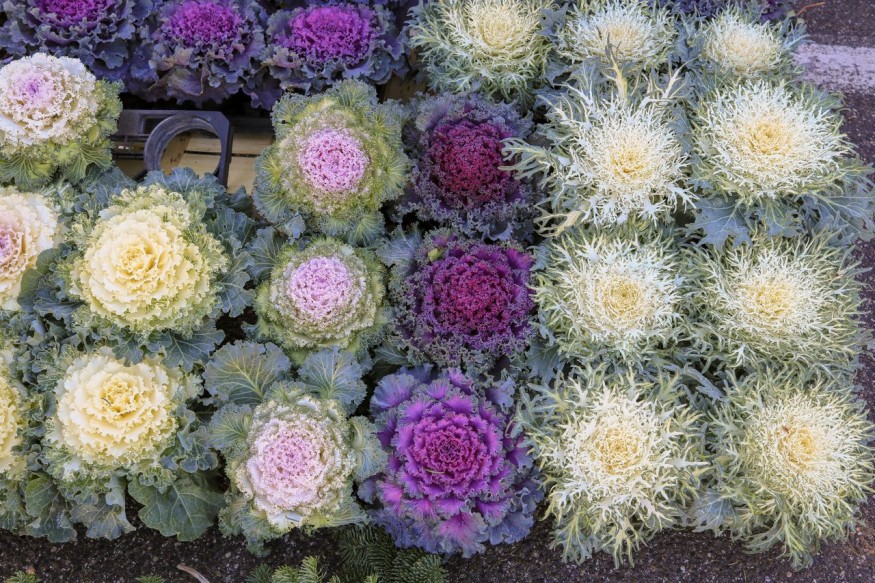
A Winter-Ready Garden Begins With the Right Preparation
Winterizing a garden is most effective when protection is tailored to the plants and local conditions. Mulching roots, watering during dry periods, pruning selectively, and shielding vulnerable specimens can help gardens withstand seasonal stress.
Just as importantly, gardeners should avoid treating every plant the same way. Some perennials benefit from being left undisturbed, while sensitive ornamentals may require extra insulation or sheltered storage.
A thoughtful autumn maintenance routine can reduce winter damage, preserve soil health, and make spring gardening more manageable. With the right preparation, many plants can emerge from dormancy ready to produce fresh growth when favorable conditions return.
Frequently Asked Questions
1. When should a garden be winterized?
Begin preparations in autumn, before the first hard frost. The ideal timing depends on local weather, plant varieties, and whether the garden experiences mild winters or prolonged freezing conditions.
2. Should all perennials be cut back before winter?
No. Some perennials benefit from autumn cutting, particularly when their foliage is diseased. Others can remain standing to provide winter interest, wildlife habitat, and protection for plant crowns. Check the requirements of individual species before pruning.
3. Does mulching prevent plants from freezing?
Mulch helps insulate the soil and moderate temperature fluctuations, protecting roots from some winter stresses. However, it cannot guarantee that plants will survive temperatures below their cold tolerance.
4. Should plants be watered during winter?
Plants may need occasional watering during dry periods when the soil is not frozen, particularly evergreens and recently planted specimens. Avoid excessive watering and adjust the frequency to the weather, soil drainage, and plant requirements.


Halle Berry's Longtime Sunset Strip Home Hits the Market for Nearly $12 Million

Marilyn Monroe's Former Palm Springs Home Sells for $2.81 Million as New Owner Plans Restoration

Where to Buy a Christmas Tree in 2026, From Charlie Brown Chic to Ralph Lauren Classics

Sad Beige Baby Trend: Why Neutral Nurseries Are Dividing Parents and Designers

Sherwin-Williams's 2027 Color Forecast Unveils 48 Rich Colors to Refresh Your Home in 2027


