Minimalist Interior Design Secrets: Minimalist Home Decor & Simple Home Design Ideas
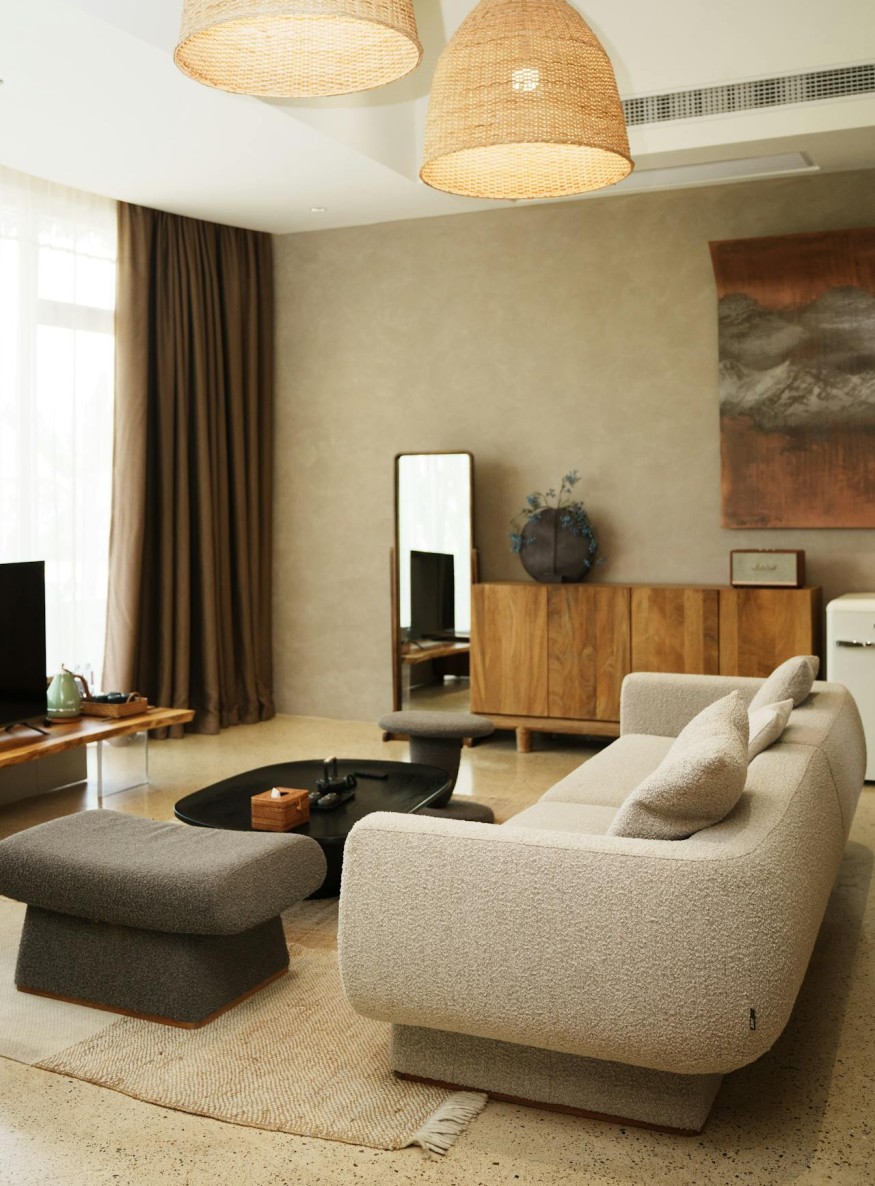
Minimalist living has become a defining approach in modern homes, focusing on clarity, purpose, and intentional design choices. At its core, minimalist interior design is about removing excess while preserving comfort, function, and personality. Rather than filling rooms with unnecessary objects, it emphasizes thoughtful selection and spatial harmony.
This approach continues to influence homeowners and designers who are looking for practical yet visually calming environments. Alongside aesthetics, it also supports easier maintenance and improved spatial flow, making homes feel more open and organized.
Understanding Minimalist Interior Design
Minimalist interior design is rooted in the idea that every element in a space should serve a purpose. It prioritizes simplicity, clean lines, and functional layouts without sacrificing warmth or usability. While often associated with modern architecture, minimalism can be adapted to various styles, from Scandinavian-inspired interiors to Japanese-influenced spaces.
Key characteristics include:
- Open layouts that improve movement and visibility
- Neutral or muted color palettes that create visual calm
- Limited but intentional furniture selections
- Focus on natural light and uncluttered surfaces
This design philosophy is not about empty rooms. Instead, it focuses on meaningful choices that eliminate distractions and support daily living.
Core Principles That Shape Minimalist Spaces
Successful minimalist interior design follows a set of foundational principles that guide decision-making throughout the home. These principles help maintain consistency while ensuring the space remains practical.
Functionality comes first
Every item in a minimalist home should serve a clear purpose. Decorative objects often double as functional pieces, such as storage ottomans or wall-mounted shelving.
Visual simplicity
Minimalist spaces avoid overcrowding by limiting decor and emphasizing clean lines. This helps create a calm and organized environment.
Intentional use of space
Empty space is not considered wasted. Instead, it improves balance and highlights essential design elements.
Natural light enhancement
Large windows, light curtains, and reflective surfaces are often used to maximize daylight.
In practice, these principles help homeowners create environments that feel both structured and comfortable.
Minimalist Home Decor for Everyday Living
Minimalist home decor focuses on carefully selected pieces that enhance a room without overwhelming it. Instead of filling shelves and surfaces with multiple items, minimalism encourages restraint and intention.
Common decor approaches include:
- Using a few statement pieces rather than multiple small decorations
- Choosing natural materials such as wood, stone, and linen
- Keeping color schemes consistent across rooms
- Incorporating plants for subtle organic contrast
- Selecting artwork that complements rather than dominates the space
Minimalist decor often relies on texture instead of quantity. A woven rug, matte ceramic vase, or linen upholstery can add depth without creating visual clutter.
This approach also encourages homeowners to evaluate each item based on value and purpose, reducing unnecessary accumulation over time.
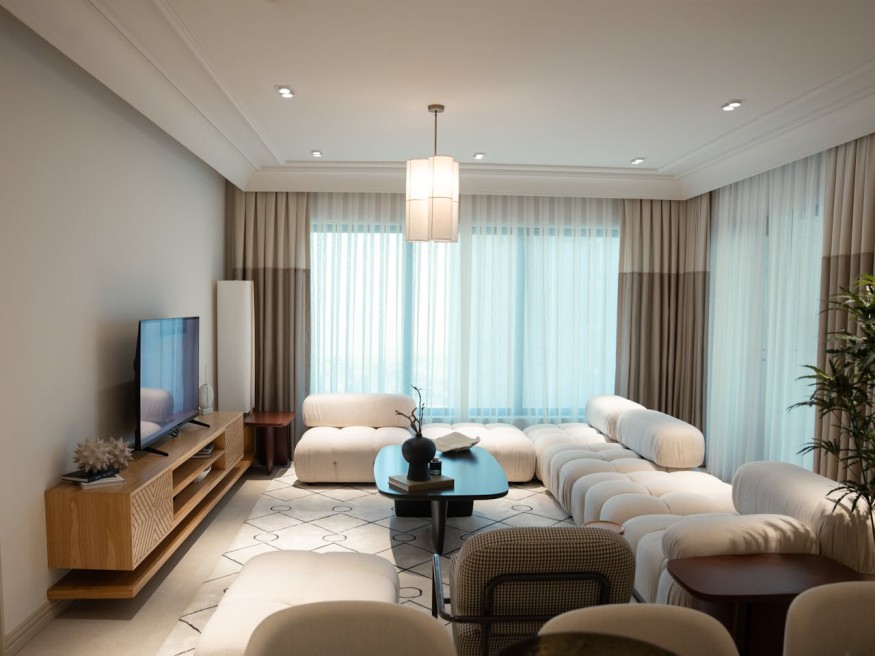
Simple Home Design Ideas for Every Room
Practical simple home design ideas focus on creating functional layouts that support everyday activities while maintaining visual clarity. Each room can follow minimalist principles while still reflecting personal needs.
Living room
- Low-profile furniture that keeps sightlines open
- Neutral-toned sofas paired with a single focal point such as a coffee table
- Hidden storage solutions for electronics and accessories
Kitchen
- Clear countertops with only essential appliances
- Open shelving used sparingly for frequently used items
- Consistent cabinetry design to maintain visual flow
Bedroom
- Limited furniture such as a bed, side table, and wardrobe
- Soft, muted colors that encourage rest
- Minimal bedside decor for a clutter-free environment
Bathroom
- Wall-mounted storage to free up floor space
- Uniform containers for toiletries
- Clean surfaces that support easy maintenance
These ideas show how minimalism can adapt to different functions while maintaining a unified design language.
Maintaining Minimalist Home Decor Over Time
Sustaining minimalist home decor requires consistent habits rather than one-time changes. Homes naturally accumulate items over time, so maintenance becomes essential.
Effective practices include:
- Regular decluttering of unused or redundant items
- Adopting a one in, one out approach when bringing new items into the home
- Storing items out of sight to maintain clean surfaces
- Reviewing storage spaces seasonally to prevent buildup
- Prioritizing quality over quantity when purchasing furniture or decor
Another important aspect is mindful consumption. Instead of reacting to trends, homeowners benefit from choosing items that align with long-term functionality and aesthetic consistency.
Minimalist living becomes easier when each object in the home has a defined place and purpose.
Designing Calm and Functional Spaces with Minimalism
Minimalist homes are shaped by clarity and intentionality. When applied effectively, minimalist interior design creates spaces that feel balanced, functional, and visually calm without appearing empty or sterile.
Strong design outcomes are achieved through consistent use of neutral palettes, thoughtful furniture selection, and controlled decor choices. Meanwhile, simple home design ideas help translate these principles into practical room layouts that support everyday routines.
Rather than focusing on restriction, minimalism encourages refinement. It highlights the importance of space, light, and material quality while reducing unnecessary visual noise. Over time, this approach supports homes that feel more organized, adaptable, and comfortable to live in.
Frequently Asked Questions
1. What defines minimalist interior design in modern homes?
Minimalist interior design is defined by simplicity, functionality, and intentional use of space. It focuses on clean layouts, minimal decor, and neutral color palettes while ensuring every item serves a purpose.
2. How can minimalist home decor be achieved without making a room feel empty?
Minimalist home decor can be balanced by using texture, layered lighting, and carefully chosen statement pieces. The goal is not to remove personality but to reduce unnecessary visual clutter.
3. What are some practical simple home design ideas for small spaces?
Simple home design ideas for small spaces include using multifunctional furniture, maximizing vertical storage, keeping surfaces clear, and using light colors to create a sense of openness.
4. Is minimalist interior design suitable for families with children?
Minimalist interior design can work for families with children when adapted properly. Durable furniture, hidden storage solutions, and flexible layouts help maintain order while accommodating daily activity.


Farrow & Ball's New Heritage Wallpapers Bring Historic Patterns Into Modern Homes

Little Greene Names Marle Its 2027 Color of the Year, a Warm Brown Made for Cozy Homes

8 Stylish Halloween Staircase Decor Ideas That Make a Dramatic Statement

The Best Prime Day Furniture Deals to Look for Before Refreshing Your Home

Tyler Perry's 22.5-Acre Beverly Hills Estate Hits the Market for $57 Million


