Brise-Soleil Is Back: The Architectural Sun-Shading Feature Designers Are Using Again
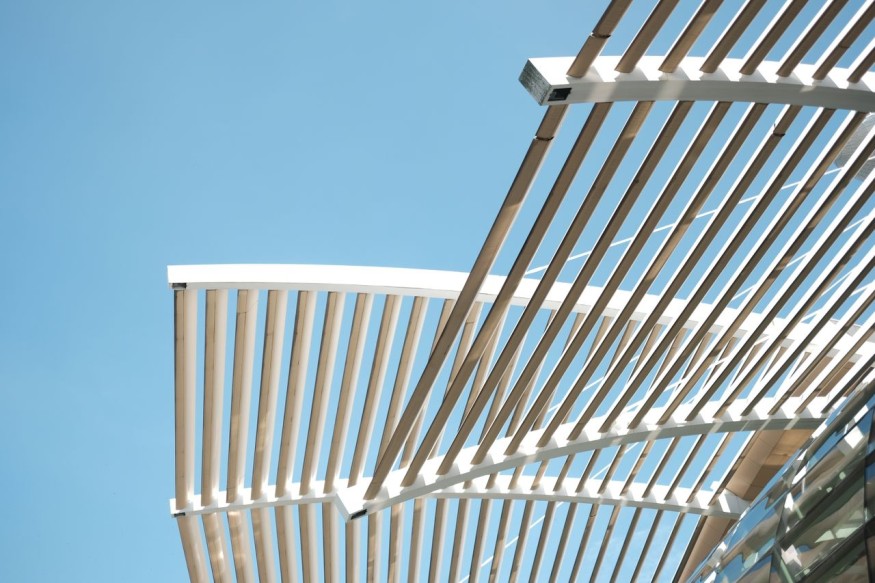
Some architectural features exist primarily for decoration. Others earn their place through performance. Brise-soleil belongs to the latter category, although its strong geometric appearance has made it an important visual element as well.
The French term generally refers to an architectural sun-shading system designed to limit direct solar radiation entering a building. It can take the form of horizontal projections, vertical fins, screens or louvered structures positioned outside windows and glazed façades.
The concept has a long history in modern architecture, but its combination of passive solar control and sculptural façade design makes it particularly relevant to contemporary homes.
What Is a Brise-Soleil?
A brise-soleil is essentially an exterior solar-shading device. Rather than placing the shading inside a room like curtains or blinds, the system is positioned outside the glazing to intercept sunlight before it reaches the glass.
The Getty's Art & Architecture Thesaurus defines brise-soleils as architectural features that reduce heat gain or light by blocking direct sunlight, and notes that systems may be fixed or movable.
The geometry can vary considerably. Some designs use simple horizontal fins above windows, while others create repeating vertical screens or elaborate façade patterns.
Because the device sits outside the building envelope, it can become part of the architecture rather than looking like an accessory added afterward.
Why Brise-Soleil Works as a Passive Design Feature
One of the main advantages of exterior shading is that it can reduce the amount of direct solar radiation reaching windows.
That matters because glazed areas can contribute significantly to solar heat gain. A carefully designed shading system can intercept sunlight while still allowing daylight and views into the building.
The effectiveness depends heavily on orientation and geometry. A horizontal overhang behaves differently from vertical fins, and the appropriate solution depends on the direction the façade faces, the local climate and the seasonal position of the sun.
This is why brise-soleil is not simply a decorative louver system. Its dimensions and placement need to respond to the building itself.
The Modernist History Behind the Look
Brise-soleil became strongly associated with modernist architecture, particularly through the work of Le Corbusier.
The feature allowed architects to treat solar control as part of the building's visual language. Repeated concrete screens, fins and projections could provide shade while also creating rhythm across a façade.
That history explains why contemporary examples often have a distinctly architectural appearance. The shading element can emphasize a building's proportions, create shadows throughout the day and add depth to otherwise flat façades.
Today, the material palette is much broader. Timber, aluminum, steel, concrete and other materials can all be used depending on the project.
Where Brise-Soleil Works Best
Brise-soleil is particularly useful around large areas of glazing where direct sun exposure creates heat or glare.
It can also be incorporated into balconies, terraces and outdoor living areas, where the same principle of solar protection can make a space more comfortable.
The design should be tailored to the building rather than copied from another house. A system that performs well on one façade may not have the same effect on another because sun angles change with orientation.
For that reason, architects and building professionals typically consider solar exposure, local climate, structural requirements, views and maintenance before finalizing the design.
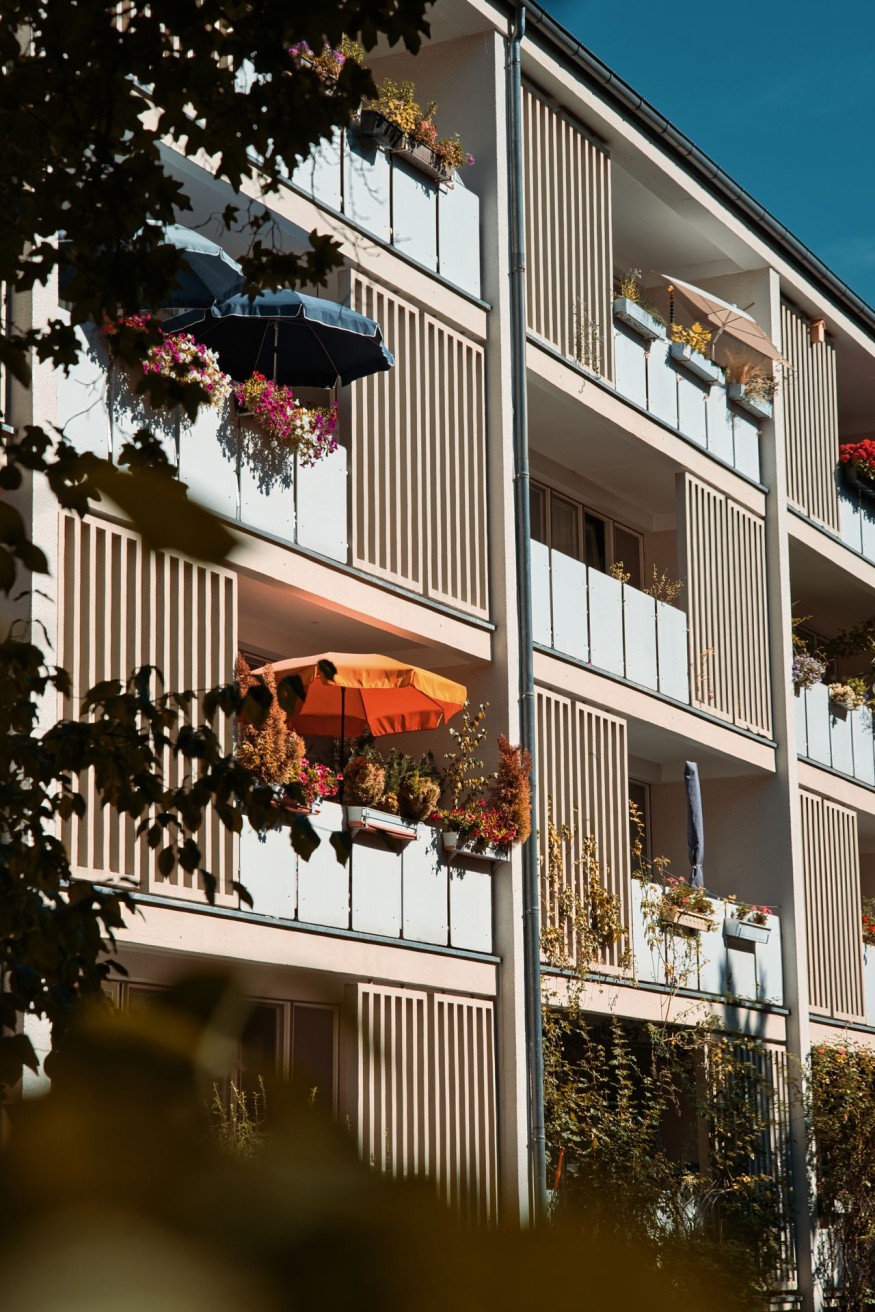
A Shading Feature That Can Define a Façade
The appeal of brise-soleil is that its functional role does not have to be hidden. A horizontal series of fins can emphasize the width of a modern home. Vertical screens can create privacy while adding rhythm. A perforated screen can turn sunlight into constantly changing patterns across walls and floors.
This makes the feature particularly useful for homeowners who want a façade to have depth without relying on excessive ornament.
The shadows themselves become part of the architecture. As the sun moves, the appearance of the building changes throughout the day.
Why It Fits Contemporary Home Design
Today's interest in passive design, solar control and indoor-outdoor living has given traditional architectural strategies renewed relevance.
Brise-soleil can support these goals while also producing a distinctive exterior. It is especially suited to homes with large windows, deep façades or strong connections between interior rooms and outdoor spaces.
However, it should not be treated as a universal solution. Its performance depends on careful design, and poorly positioned shading can obstruct views, reduce desirable daylight or fail to provide meaningful solar protection.
The strongest examples therefore treat the brise-soleil as part of the building's overall environmental and architectural strategy.
Frequently Asked Questions
1. What does brise-soleil mean?
Brise-soleil is a French architectural term generally used for exterior sun-shading features that reduce direct solar radiation entering a building.
2. Is brise-soleil only used on modern buildings?
No. Although it became strongly associated with modernist architecture, contemporary architects can adapt the principle to many architectural styles and building types.
3. Does brise-soleil reduce heat?
A properly designed exterior shading system can reduce solar heat gain by blocking direct sunlight before it reaches the glazing. Its effectiveness depends on orientation, geometry, climate and placement.
4. Can brise-soleil be added to an existing house?
In some cases, yes. Retrofitting may be possible, but the structure, façade, wind loads, solar orientation and attachment method should be evaluated by an appropriate professional before installation.


How Decorative Window Film Can Transform Awkward Windows Into a Stylish Design

Nick and Vanessa Lachey's Tarzana Estate Is Back on the Market for $8.2 Million

Angelina Jolie's Former Cecil B. DeMille Estate Sells for $24.75 Million

The Designer-Friendly Way to Make Halloween Decor Fit Your Home

Designers Say Stained Glass Can Make a New Build Feel Instantly More Timeless


