The Best Nursery Colors for a Calming Baby Room, According to Interior Designers
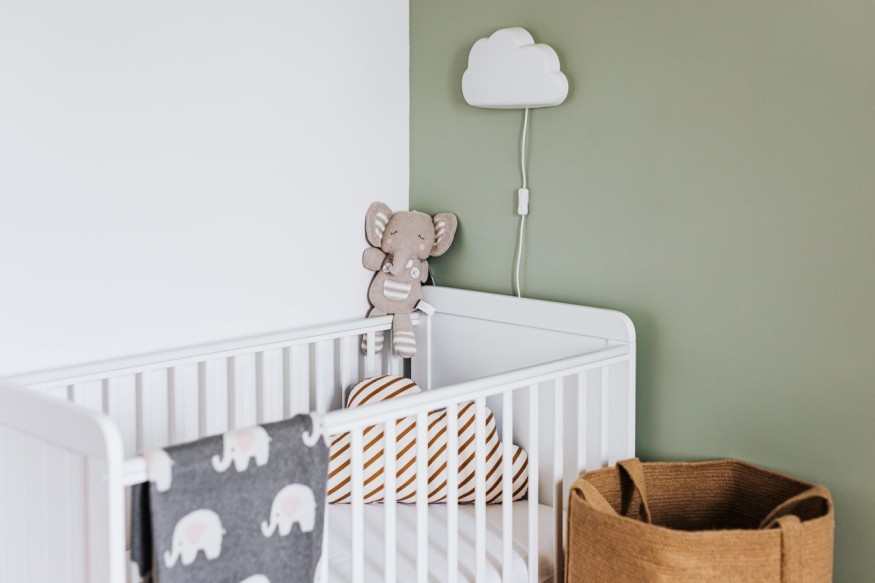
Choosing the right nursery colors can shape the entire feel of a baby's room. While traditional pink and blue remain popular, today's baby room color ideas go far beyond those familiar shades. Interior designers often turn to muted greens, warm neutrals, soft blues, and earthy tones to create spaces that feel calming, welcoming, and easy to update as a child grows.
The best nursery paint colors also depend on the room itself. Natural light, flooring, furniture, and surrounding rooms can all affect how a shade looks once it is on the walls. A color that feels warm and creamy in one nursery may appear cooler in another.
What Are the Best Colors for a Baby Nursery?
The best nursery colors tend to be soft enough to create a restful environment while still giving the room personality. Rather than relying on overly bright shades, designers often favor colors with subtle undertones and a slightly muted appearance.
Some of the most versatile choices include:
- Sage green: A nature-inspired shade that feels fresh, calming, and gender neutral.
- Warm cream: A softer alternative to stark white that creates a cozy backdrop.
- Dusty blue: A timeless option that feels peaceful without looking overly traditional.
- Warm beige: An adaptable neutral that pairs well with wood, woven textures, and colorful accents.
- Muted terracotta: An earthy choice that brings warmth and character to a nursery.
These shades can work across different decorating styles, from minimalist and Scandinavian-inspired rooms to more traditional spaces.
Read more: Create a Cozy Fall Home With Sophisticated Autumn Home Decor That Never Goes Out of Style
What Is the Most Calming Color for a Nursery?
Soft green is often an appealing choice for a calming nursery because it has a natural quality that can make the room feel connected to the outdoors. Sage, eucalyptus, and other subdued green shades can work particularly well with light wood furniture and natural fabrics.
Soft blue is another classic option. Pale blue-gray shades can give a nursery an airy, peaceful quality without making the space feel cold. Warm neutrals such as cream, beige, and taupe can also create a relaxed atmosphere, particularly when paired with plush textiles and warm lighting.
The key is not simply choosing a particular color family. Highly saturated shades can feel more energetic, while muted versions tend to create a softer visual experience.
What Color Is Best for a Baby's Room?
There is no single best color for every baby room. The most suitable shade depends on the nursery's lighting, dimensions, existing furnishings, and the atmosphere the parents want to create.
A small nursery with limited natural light may benefit from warm cream, pale beige, or a soft pastel shade that keeps the room feeling open. A larger, sun-filled room can accommodate richer colors without feeling enclosed.
It is also worth considering the furniture before selecting nursery paint colors. Natural wood cribs, for example, can look especially appealing against sage green, warm white, or muted blue. White furniture offers more flexibility and can work with almost any palette.
Should a Nursery Be Light or Dark?
Light nursery colors are often an easy choice because they can make a room feel spacious and bright. However, darker nursery paint colors can also create a beautiful setting when used thoughtfully.
Deep green, navy, charcoal, and muted brown can give a larger nursery a cozy, enveloping quality. These colors tend to work best when balanced with lighter furniture, bedding, curtains, and plenty of layered lighting.
For smaller rooms, a lighter wall color may be more practical if the goal is to create an open feeling. Before settling on a shade, paint samples should be viewed throughout the day because natural light can significantly alter how a color appears.
How Do You Choose a Nursery Paint Color?
The surrounding environment should be considered before choosing a paint color. A shade should look appealing not only on a paint card but also alongside the crib, flooring, curtains, rug, and other major elements.
It can also help to think about longevity. A nursery does not necessarily need to look distinctly babyish. Choosing a sophisticated color can make it easier to transition the room into a toddler or child's bedroom later.
Testing samples on different walls is another useful step. Morning sunlight, afternoon light, and artificial lighting can each reveal different undertones. This is particularly important with whites, grays, beige, and other neutrals, which can shift noticeably depending on the room.
What Are the Most Popular Nursery Paint Colors?
Soft greens, warm whites, beige, dusty blue, and greige continue to be versatile choices for modern nurseries. Blush pink and lavender can provide gentle color without overwhelming the room, while muted yellow can introduce a cheerful touch.
The appeal of these nursery colors is their flexibility. They can be combined with patterned wallpaper, colorful artwork, natural wood, upholstered furniture, or simple textiles without competing with the rest of the room.
For families looking for a room that can evolve, understated colors may be particularly useful. Accessories can then introduce stronger colors that can easily be changed as the child gets older.
Baby Room Color Ideas That Can Grow With the Child
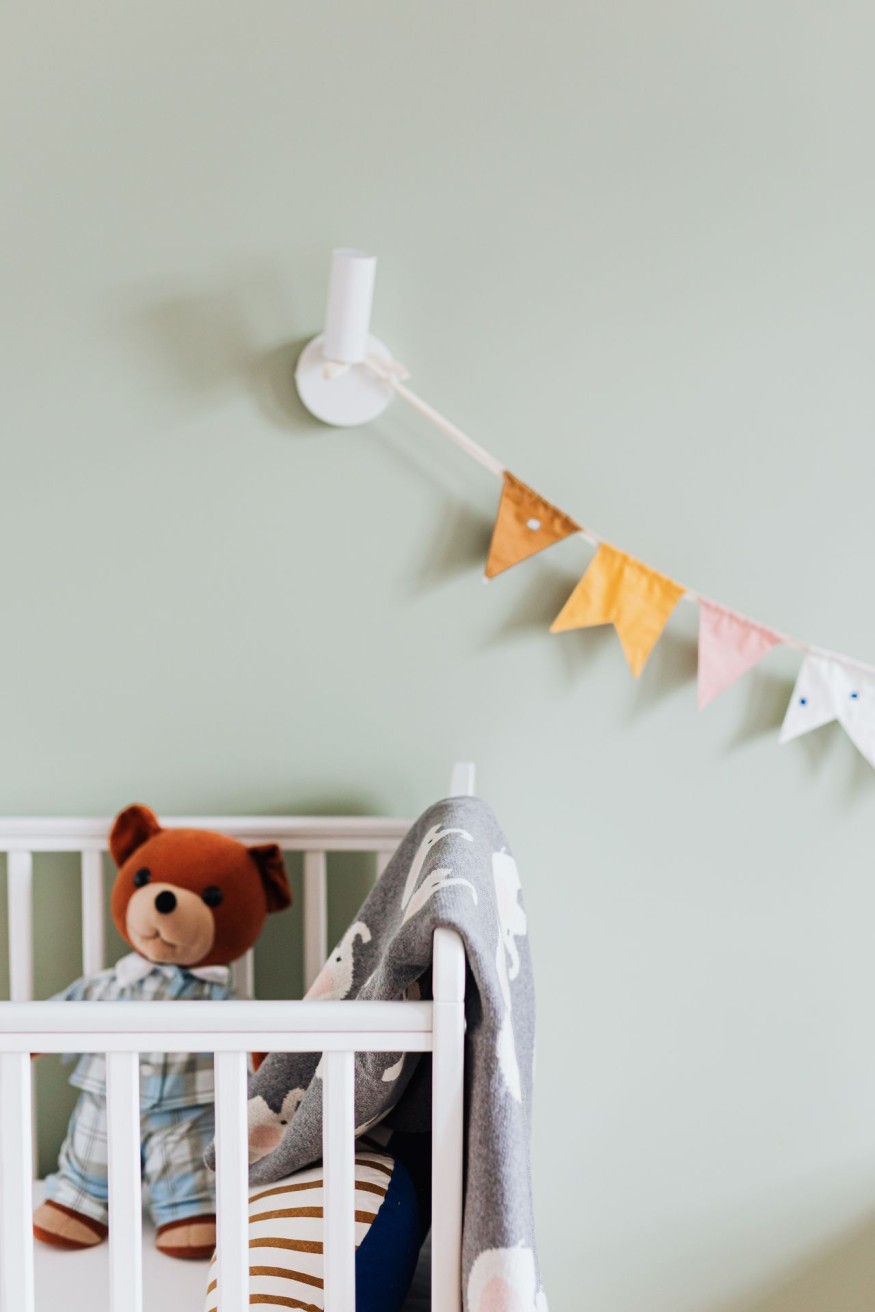
A nursery can feel special without relying on colors or themes that quickly become outdated. Sage green can transition into a child's bedroom with minimal changes, while dusty blue can work with everything from playful artwork to more mature furnishings.
Warm beige, cream, and greige are similarly adaptable. They can serve as a backdrop for changing interests, allowing accessories to evolve while the primary wall color remains intact.
Ultimately, the strongest baby room color ideas balance atmosphere, practicality, and personal style. Whether the preference is for a peaceful green, a warm neutral, or a soft blue, the right color should make the room feel comfortable now while leaving room for the design to evolve.
Nursery Colors That Create a Calm, Timeless Space
The best nursery colors are not necessarily the trendiest shades. They are the ones that work with the room's natural light, furnishings, and overall character while creating an inviting environment.
Soft green, dusty blue, warm cream, beige, and muted earthy shades offer plenty of flexibility for modern nursery design. With thoughtful lighting and carefully chosen accessories, even simple nursery paint colors can create a room that feels considered, cozy, and ready to grow alongside the child.
Frequently Asked Questions
1. What is the most calming color for a nursery?
Soft sage green, muted blue, warm cream, and other subdued shades can create a peaceful atmosphere. The finish and intensity of the color can be just as important as the color family itself.
2. What are the best gender-neutral nursery colors?
Sage green, warm beige, cream, greige, dusty blue, and muted yellow are versatile gender-neutral options that can work with a variety of nursery styles.
3. Should a baby's room be painted a dark color?
A dark nursery can feel cozy and sophisticated, particularly in a spacious room with plenty of natural or layered lighting. Lighter furniture and textiles can help balance deeper walls.
4. What colors should be avoided in a nursery?
There are no strict colors that must be avoided. However, extremely bright or highly saturated shades may create a more energetic atmosphere than some families want. Testing a color in the actual room can help determine whether it feels appropriate.


Cold Minimalism Is Losing Ground. This Is What Designers Want Instead

The New Desert Architecture Is Designed to Work With the Landscape

Is 2016 Interior Design Making a Comeback? What the Nostalgia Trend Reveals

The Invisible Design Details That Make a Home Feel More Comfortable

6 Backsplash Trends for 2027 That Designers Say Will Stand the Test of Time


