Designers Are Turning Everyday Furniture Into Works of Art With Sculptural Shapes
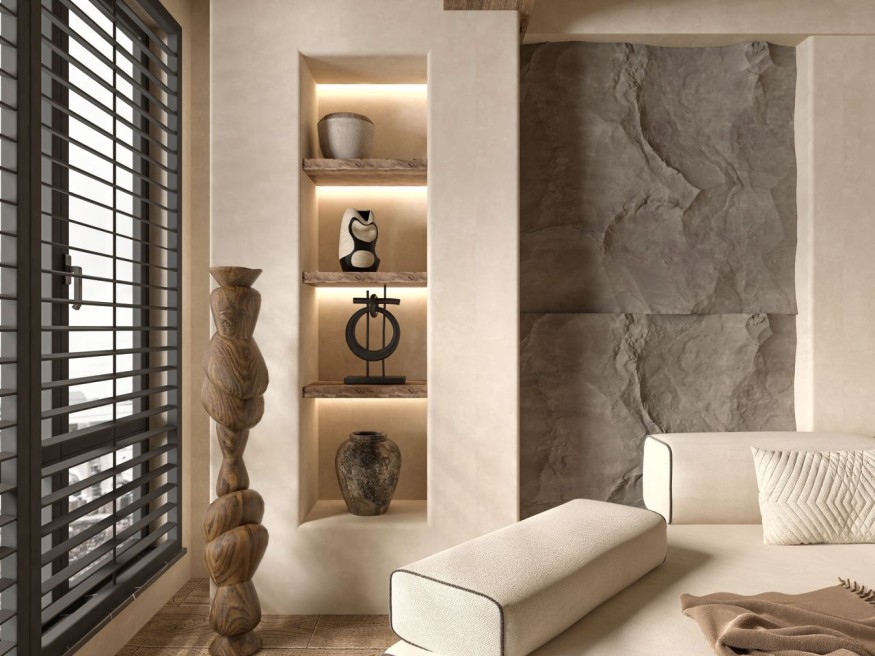
Furniture has traditionally been selected for its ability to serve a practical purpose, whether providing comfortable seating, creating storage, or establishing a functional dining area. However, contemporary interiors are increasingly embracing furnishings that offer something beyond utility. Sculptural furniture is gaining attention for its ability to combine everyday functionality with the visual impact of an artwork.
Rather than relying exclusively on conventional shapes and straightforward silhouettes, these designs explore unusual proportions, organic curves, architectural forms, and expressive materials. A coffee table can resemble a piece of abstract sculpture, an armchair can become a striking focal point, and a dining table can introduce an entirely new visual dimension to a room.
The growing interest in expressive furniture also reflects a broader shift toward more individualistic interiors. According to ELLE Decor's coverage of 2026 furniture trends, designers are increasingly embracing sculptural curves, artisanal craftsmanship, and distinctive furniture silhouettes. These pieces allow homeowners to introduce character without necessarily relying on elaborate architectural details or decorative accessories.
What Defines Sculptural Furniture?
Sculptural furniture describes pieces in which form, proportion, and visual expression are considered alongside functionality. Instead of treating furniture as a purely practical addition, designers approach its shape as an opportunity for artistic exploration.
Some designs feature exaggerated curves, asymmetrical structures, or rounded silhouettes, while others emphasize geometric compositions and architectural proportions. Materials also contribute to their appearance, with wood, stone, metal, glass, plaster, and upholstered fabrics offering different textures and finishes.
The result is furniture that can function as both a useful household object and a decorative statement.
Sculptural furniture does not necessarily have to look unconventional. Even a relatively familiar piece, such as a dining chair or side table, can feel distinctive through an unusual base, curved backrest, or unexpected combination of materials.
Five Ways Sculptural Furniture Is Changing Everyday Interiors
The appeal of sculptural furniture lies in its versatility. Homeowners can introduce artistic forms through major furniture investments or smaller decorative pieces without completely changing an existing interior.
- Curved sofas are softening living rooms. Rounded sofas and sectional seating introduce movement into spaces traditionally dominated by rectangular furniture. Their silhouettes can also encourage conversation by creating a more inward-facing seating arrangement.
- Coffee tables are becoming statement pieces. Instead of conventional rectangular designs, sculptural coffee tables may feature irregular tops, substantial pedestal bases, or organic shapes. Stone, timber, and glass can further emphasize their artistic qualities.
- Dining chairs are embracing expressive silhouettes. Distinctive backrests, curved frames, and unexpected proportions can make dining chairs stand out even when paired with relatively simple tables.
- Side tables are taking on architectural forms. Pedestal tables, stacked geometric shapes, and asymmetrical bases provide visual interest while maintaining their everyday function.
- Beds and headboards are introducing softer bedroom designs. Upholstered headboards with rounded edges, curved frames, and distinctive proportions can make the bed a defining feature of the bedroom.
The Materials Making Sculptural Furniture Stand Out
Material selection plays an important role in determining how sculptural furniture looks and feels within an interior.
Natural stone is particularly effective for pieces that emphasize substantial forms. Marble and travertine tables, for example, can introduce visual weight and organic texture. Their natural veining and variations ensure that each piece has a distinctive appearance.
Wood offers another versatile option. Carved timber furniture can highlight the material's natural grain while creating rounded edges, curved supports, and irregular silhouettes. Darker woods can produce a particularly striking effect when paired with lighter upholstery or neutral wall finishes.
Metal and glass introduce a different character. Bent metal frames can create delicate, architectural structures, while transparent glass helps visually lighten furniture with unusual proportions.
Upholstered furniture also lends itself to sculptural experimentation. Rounded backs, oversized cushions, and curved armrests can make sofas and chairs appear softer and more expressive.
According to Wallpaper*'s coverage of furniture and interior trends emerging from Salone del Mobile 2026, sculptural tables and distinctive material applications were among the recurring design directions showcased at the event.
How to Incorporate Sculptural Furniture Without Overwhelming a Room
Although statement furniture can introduce personality, incorporating too many unusual shapes into one space may make the overall arrangement feel visually crowded.
The key is to establish a balance between expressive pieces and simpler furnishings. A sculptural armchair, for instance, can become the focal point of a living room when surrounded by a restrained sofa, understated rug, and minimal accessories.
Scale is another important consideration. Oversized furniture can work in spacious interiors with generous circulation areas, but smaller rooms may benefit from compact statement pieces. A sculptural side table or accent chair can provide the desired visual impact without occupying too much floor space.
Homeowners should also consider how the furniture interacts with the architecture. Curved pieces can soften rooms with strong geometric features, while angular furniture can provide contrast in interiors with rounded architectural details.
Lighting can further emphasize distinctive silhouettes. Directional illumination, floor lamps, and carefully positioned accent lighting can highlight interesting textures and create shadows that bring out the furniture's form.
Mixing Sculptural Pieces With Different Interior Styles
One advantage of sculptural furniture is that it does not belong exclusively to a particular decorating style.
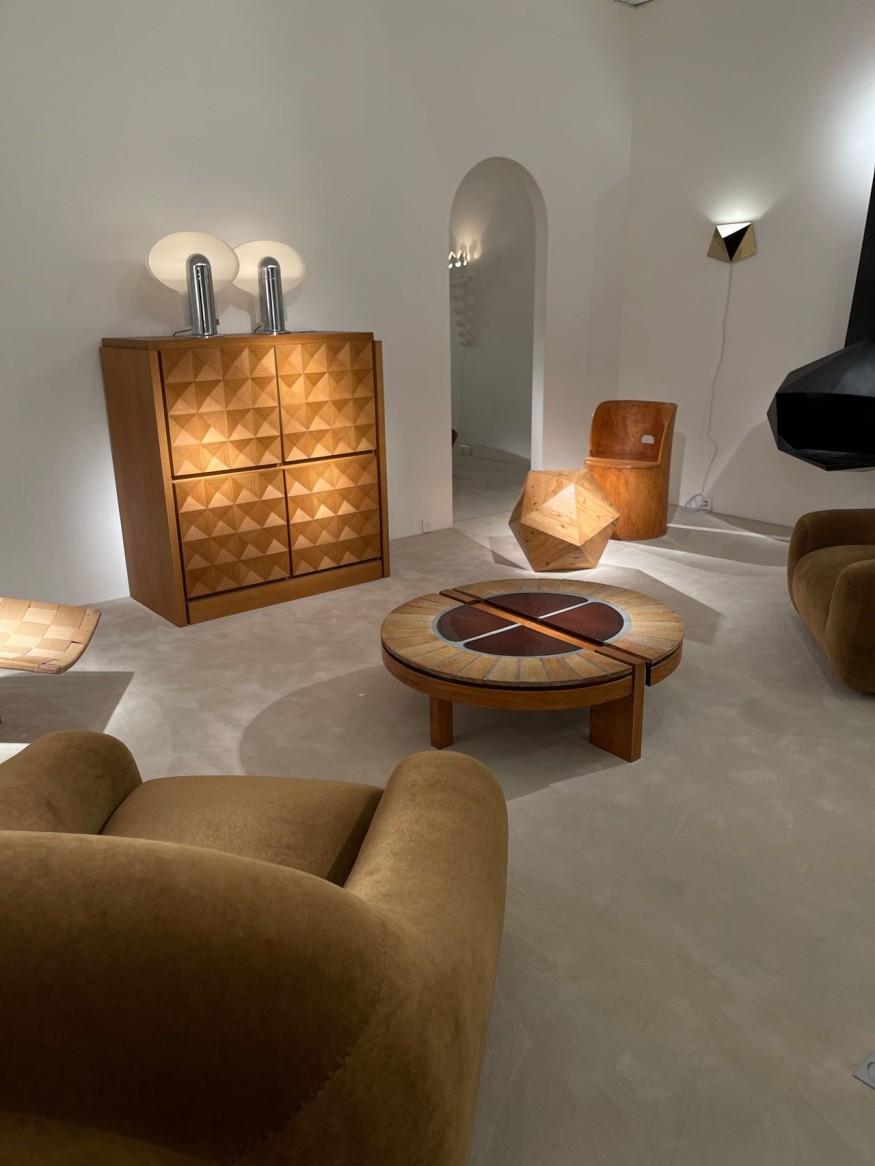
In minimalist interiors, a single artistic furniture piece can introduce visual interest without disrupting the room's restrained atmosphere. A curved wooden chair or an irregular stone coffee table can become a focal point against simple walls and neutral upholstery.
Contemporary interiors can accommodate more experimental combinations, including bold geometric tables, oversized seating, and contrasting materials. Meanwhile, traditional homes can incorporate sculptural furniture through carved wooden pieces, expressive upholstered chairs, and organically shaped accent tables.
Eclectic interiors provide even more opportunities to experiment. Mixing contemporary sculptural furniture with vintage accessories, antique pieces, and traditional textiles can create a collected appearance that feels personal rather than overly coordinated.
Making Functional Furniture Feel More Artistic
The growing interest in sculptural furniture highlights how everyday objects can contribute to a home's visual identity. Rather than serving as background elements, tables, chairs, sofas, and storage pieces are increasingly being considered important parts of the overall design composition.
For homeowners, incorporating the look does not require replacing every furnishing or committing to an entirely different decorating style. A carefully selected statement chair, distinctive coffee table, or expressive dining piece can introduce the desired character.
When functionality, proportion, and material selection receive equal consideration, sculptural furniture can make a home feel more individual while ensuring that everyday spaces remain comfortable and practical.
Frequently Asked Questions
1. What is sculptural furniture?
Sculptural furniture refers to functional furnishings designed with distinctive artistic forms, proportions, and silhouettes. These pieces combine everyday usability with the visual qualities of sculpture.
2. Is sculptural furniture suitable for small spaces?
Yes. Compact accent chairs, side tables, and smaller statement pieces can introduce artistic character without taking up excessive floor space.
3. What materials are commonly used in sculptural furniture?
Common materials include wood, marble, travertine, metal, glass, and upholstered fabrics. Each offers different opportunities for creating distinctive shapes and textures.
4. How can sculptural furniture be incorporated into a minimalist home?
Start with one statement piece, such as a curved chair or organically shaped coffee table. Keep surrounding furnishings relatively simple to maintain visual balance.


Oheka Castle, Featured in Taylor Swift's 'Blank Space' Video, Sells for $72 Million

Florals, Gingham, and Chintz Are Among the Biggest Pattern Trends for 2027

El Niño Gardening Guide: Ways to Protect Your Lawn and Plants From Heat and Drought

These 6 Christmas Decorating Themes Will Make Homes Feel Extra Special in 2026

Céline Dion's Custom-Built Florida Mansion Sells in $12.5 Million Deal


