The Smartest Path to Net Zero Housing Starts With Passive Solar Home Design
As homeowners look for ways to lower energy use and create more resilient properties, solar architecture is becoming an increasingly important part of residential design. But installing solar panels is only one piece of the equation. The way a home is positioned, insulated, glazed, ventilated, and built can have an equally significant effect on how much energy it needs.
This is where passive solar home design and active solar technology take different approaches. Passive design uses the building itself to capture, retain, and manage solar energy, while active systems use equipment such as photovoltaic panels and batteries to generate and store electricity. When these strategies work together, they can create homes that are comfortable, efficient, and far less dependent on conventional energy sources.
What Is Passive Solar Architecture?
Passive solar architecture uses a home's design and materials to take advantage of sunlight without relying on mechanical equipment to collect solar heat. The goal is to reduce the amount of energy needed for heating, cooling, and lighting from the beginning.
Orientation is one of the most important considerations. A well-positioned home can take advantage of useful sunlight during cooler periods while incorporating shading to limit unwanted heat during warmer conditions. Window placement, glazing, insulation, thermal mass, and natural ventilation can also influence how effectively a home manages indoor temperatures.
A key advantage of passive solar home design is that many of its benefits are built directly into the structure. Once the home is properly designed, these features can continue working without motors, panels, or complex mechanical systems.
Read more: From Concrete Layers to Communities: The Future of 3D Printed Homes and Affordable Housing
What Is Active Solar Architecture?
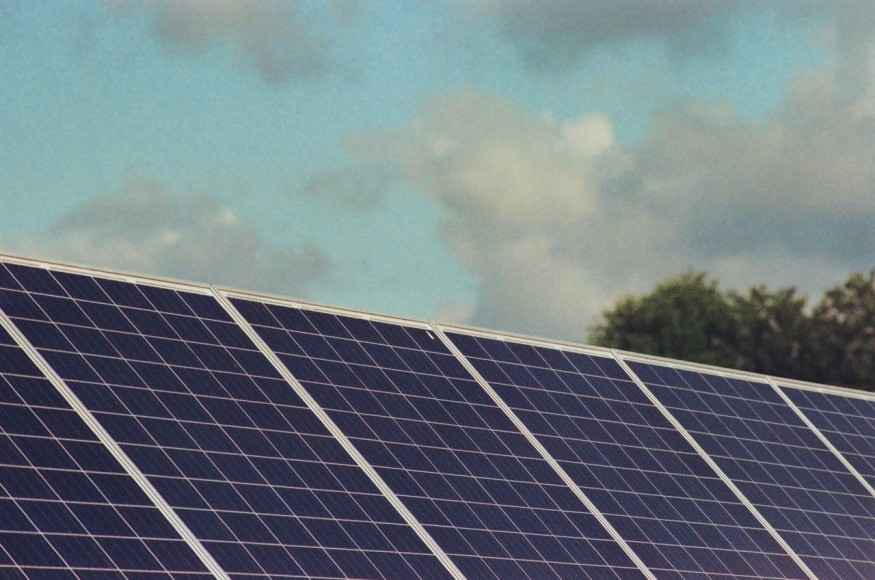
Active solar architecture uses technology to capture and convert sunlight into usable energy. Photovoltaic panels are the most recognizable example. They convert sunlight into electricity that can power appliances, lighting, heating and cooling equipment, and other household systems.
Solar thermal technology can also use sunlight to heat water, while battery storage can retain excess electricity for later use. Smart energy-management systems can further help homeowners monitor consumption and coordinate energy production and storage.
Unlike passive strategies, active systems require equipment, installation, maintenance, and eventual replacement. However, they can generate substantial amounts of usable energy and are particularly valuable when combined with a highly efficient building envelope.
What Is the Difference Between Active and Passive Solar Energy?
The simplest distinction is that passive solar design is primarily architectural, while active solar design relies on technology.
Passive systems work through orientation, windows, shading, thermal mass, insulation, and airflow. Active systems depend on photovoltaic panels, solar thermal equipment, batteries, inverters, and other mechanical or electrical components.
The two approaches are not necessarily alternatives. In fact, they can complement each other. A home that first minimizes energy demand through passive strategies will generally require less renewable energy equipment to meet its remaining needs.
How Does Passive Solar Home Design Reduce Energy Use?
A successful passive solar home begins with an understanding of the local climate, site conditions, and path of the sun. Designers can then determine where the building should be positioned and how its openings should be arranged.
Windows can bring natural light and useful solar warmth into interior spaces, while carefully designed overhangs, louvers, screens, and landscaping can help control excessive heat. Thermal mass, such as concrete or masonry, can absorb and gradually release heat, helping moderate indoor temperatures.
The building envelope is equally important. Effective insulation and airtight construction help maintain stable indoor conditions, while appropriately planned ventilation can provide fresh air and assist with passive cooling.
These strategies illustrate why energy efficient architecture is not simply about adding renewable technology. It is also about reducing the amount of energy a building needs in the first place.

How Do Solar Panels Help Create an Energy-Independent Home?
Photovoltaic panels allow a home to produce electricity on site. When paired with efficient appliances and mechanical systems, solar generation can cover much of a property's daily energy demand.
Battery storage adds another layer of flexibility. Instead of using all generated electricity immediately, a home can store available energy for periods when sunlight is unavailable. This can be particularly useful overnight or during temporary interruptions in grid service.
However, solar panels alone do not necessarily make a home energy independent. A property's energy demand, solar access, storage capacity, climate, and connection to the electrical grid all influence its overall performance.
Can Active and Passive Solar Design Work Together?
A hybrid approach can provide the strongest results. Passive strategies can reduce heating, cooling, and lighting requirements, while active systems can supply renewable energy for the remaining electrical demand.
The process typically begins with climate-responsive architecture and a high-performance building envelope. Efficient heating, cooling, lighting, and appliances can then reduce consumption further. Solar panels and storage can address the remaining energy needs.
This layered approach is particularly relevant to net zero housing, where the objective is to balance the energy a home consumes with renewable energy generated over time.
What Makes a Home Net Zero?
A net-zero home is designed to use very little energy while generating renewable energy to offset its consumption. Reaching that goal requires more than installing a large solar array.
The building's orientation, insulation, windows, heating and cooling systems, appliances, lighting, and ventilation all contribute to its overall energy performance. Renewable generation then helps address the remaining demand.
This makes net zero housing fundamentally different from conventional homes with solar panels added after construction. Net-zero performance is most effective when energy efficiency is considered from the earliest stages of design.
What Are the Benefits and Challenges of Solar Architecture?
Solar architecture can provide several practical benefits, but it also requires careful planning.
- Lower energy demand and potentially lower utility costs
- Greater indoor thermal comfort throughout the year
- Reduced reliance on conventional energy sources
- Greater resilience when paired with energy storage
- Higher upfront design and construction complexity
Site conditions can also create limitations. Nearby buildings, trees, orientation, climate, roof geometry, and local building regulations may all affect how effectively solar strategies can be implemented. Professional energy modeling can help identify problems before construction begins.
Which Solar Strategy Is Best for a New Home?
For many new homes, the most effective strategy is not choosing between active and passive solar design, but combining them. Passive measures can establish the home's energy performance before technology is introduced, while active systems can provide renewable power for the remaining requirements.
This approach also gives homeowners greater flexibility. A smaller solar system may be sufficient when the building has been carefully designed to minimize energy consumption. Over time, additional storage or renewable technology can potentially be incorporated as household needs change.
Designing Homes for a Lower-Energy Future
The future of residential solar architecture is increasingly about treating the entire home as an energy system. Passive solar home design can reduce demand through thoughtful architecture, while energy efficient architecture can improve performance through better envelopes and efficient systems. Active solar technology can then provide renewable energy to move the home closer to net zero housing.
Rather than relying on a single technology, energy-independent homes can use several complementary strategies. The result is a more considered approach to residential design, where comfort, efficiency, renewable energy, and long-term resilience are addressed together.
Frequently Asked Questions
1. What is the difference between active and passive solar architecture?
Passive solar architecture uses the home's orientation, windows, materials, shading, and ventilation to manage solar energy naturally. Active solar architecture uses equipment such as photovoltaic panels and batteries to generate or store usable energy.
2. What are the main features of passive solar home design?
Common features include strategic orientation, well-positioned windows, exterior shading, thermal mass, effective insulation, airtight construction, and natural ventilation.
3. Can passive solar design make a home energy independent?
Passive design can significantly reduce a home's energy demand, but complete energy independence generally requires additional renewable generation and, in many cases, energy storage.
4. How does solar architecture support net zero housing?
Solar architecture can reduce the amount of energy a home requires while providing opportunities to generate renewable energy on site. Combining passive design with efficient systems and solar generation can support net-zero performance.


From Render to Reality: How AI Is Changing the Way Homeowners Visualize Renovations

Recycled Building Materials Are Becoming Luxury Design Elements

What Is a Mixed-Use Building? Benefits, Design Features, and Urban Impact

5 Home Bar Lighting Ideas That Make Any Space Feel More Sophisticated

6 Backsplash Trends for 2027 That Designers Say Will Stand the Test of Time


