Old Home Energy Efficiency: Where to Start With an Energy Efficient Renovation
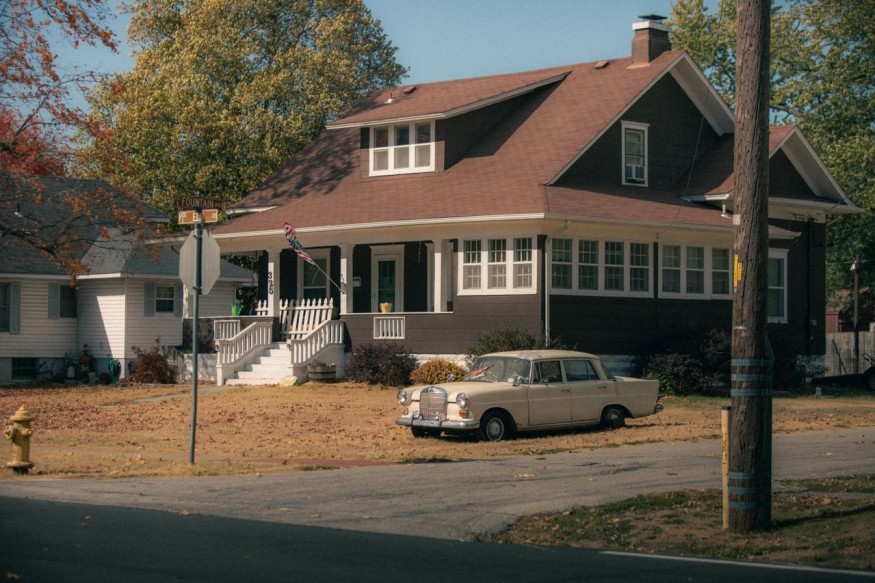
Older homes often have qualities that newer construction cannot easily replicate, from original woodwork and generous windows to distinctive layouts and architectural details. However, their character can sometimes come with drafts, uneven temperatures, outdated systems, and higher energy use. Improving old home energy efficiency does not necessarily mean replacing everything or sacrificing the features that make the property special.
A thoughtful energy efficient renovation starts by identifying where energy is being lost and then prioritizing practical home improvements. Air sealing, insulation, window upgrades, and efficient heating and cooling systems can all contribute to a more comfortable home. The U.S. Department of Energy recommends an envelope-first approach that addresses air leaks, insulation, windows, and doors before moving on to other systems.
Start With a Home Energy Audit
Before making major changes, homeowners should understand how the house currently performs. A professional energy audit can identify air leakage, insufficient insulation, inefficient equipment, and other sources of energy waste. Auditors may use tools such as blower-door testing and thermal imaging to locate problems that are difficult to see during an ordinary inspection.
An audit also helps homeowners create a logical renovation plan. Instead of replacing windows or installing new equipment immediately, they can address the areas that are having the greatest effect on comfort and energy use.
Seal Drafts Before Tackling Bigger Renovations
Air leaks are common in older houses, particularly around windows, doors, baseboards, attic openings, plumbing penetrations, and electrical fixtures. Caulking and weatherstripping can address many of these gaps without requiring a major renovation.
Air sealing is especially useful when paired with insulation. Once unwanted airflow is reduced, insulation can work more effectively as part of the home's thermal envelope.
Older houses should not simply be sealed as tightly as possible, however. Proper ventilation remains important, particularly in homes with fireplaces or fuel-burning appliances. Changes to the building envelope can affect airflow and combustion safety, so complicated work should be evaluated by a qualified professional.
Improve Attic and Wall Insulation
Insulation is one of the most practical ways to improve old home energy efficiency, particularly when an attic has little or no insulation. The Department of Energy notes that attic insulation can often be added without substantially disturbing the existing interior, making it a useful starting point for older properties.
Wall insulation can be more complicated because older walls may contain historic finishes or unusual construction. In some homes, insulation can be blown into wall cavities with limited disruption, while other properties may require a more specialized approach.
Basements, crawl spaces, and floors above unconditioned areas should also be assessed. Moisture problems should be addressed before insulation is installed so that the renovation does not create new building-performance issues.
Should Old Windows Be Replaced?
Replacing old windows may seem like an obvious energy upgrade, but it is not always the best first step. Historic or well-maintained windows can often be improved through repairs, new glazing compound, weatherstripping, caulking, or storm windows. The National Park Service recommends repairing historic windows whenever practical before considering replacement.
Window replacement may make sense when existing units are severely deteriorated, difficult to operate, or impossible to improve effectively. Homeowners should consider the window's condition, installation quality, appearance, and long-term performance rather than choosing replacement solely because the windows are old.
Upgrade Heating and Cooling Systems
Once the building envelope has been improved, homeowners can evaluate heating and cooling equipment. An older furnace, air conditioner, or boiler may consume more energy than a modern high-efficiency system.
A professional should assess the existing equipment, ductwork, and the home's heating and cooling needs before replacement. Sealing or insulating ducts in unconditioned spaces can also improve system performance. Whole-house weatherization programs commonly combine envelope improvements with mechanical-system maintenance and upgrades.
Which Home Improvements Should Come First?
- Schedule a home energy audit to identify the largest sources of energy loss.
- Seal drafts around doors, windows, attic openings, and building penetrations.
- Improve attic, wall, basement, or crawl-space insulation where appropriate.
- Repair or upgrade windows based on their actual condition.
- Maintain or replace inefficient heating and cooling equipment after envelope improvements.
Add Smaller Efficiency Upgrades
Not every improvement needs to involve construction. Replacing frequently used light bulbs with LEDs, installing an appropriate programmable or smart thermostat, insulating accessible hot-water pipes, and choosing efficient appliances when replacements are already needed can gradually improve a home's performance.
These smaller changes can also complement a larger energy efficient renovation. Rather than treating energy efficiency as one large project, homeowners can incorporate improvements into routine maintenance and planned remodeling.
Preserve Character While Improving Efficiency
For historic or architecturally significant homes, energy upgrades should be balanced with preservation. Original windows, doors, siding, trim, and other features may have value that is not reflected in their energy performance alone.
The National Park Service notes that historic buildings can contain inherent energy-saving characteristics, including operable windows, natural light, overhanging eaves, and substantial masonry. Preserving those features while improving air sealing and insulation can produce a more thoughtful result than wholesale replacement.
The best home improvements are therefore not necessarily the most dramatic ones. A quieter, more comfortable house can often be achieved by combining targeted repairs with insulation, air sealing, and carefully selected equipment upgrades.
A More Comfortable Older Home Starts With the Right Upgrades
Making an older property more efficient does not require turning it into a completely modern house. A measured approach can retain architectural character while addressing the sources of wasted energy. Starting with an audit, improving the building envelope, evaluating windows, and upgrading mechanical systems in the right order gives homeowners a clearer path toward better old home energy efficiency. With careful planning, an energy efficient renovation can make an older house more comfortable, practical, and enjoyable without erasing the qualities that made it worth preserving.
Frequently Asked Questions
1. What is the most effective way to make an old home more energy efficient?
An energy audit is a useful starting point because it identifies where energy is being lost. Air sealing and insulation are often prioritized before larger equipment upgrades.
2. Should insulation or windows be upgraded first in an old house?
Insulation and air sealing are often worth evaluating first. Windows should be assessed individually because repair, weatherstripping, or storm windows may improve their performance without full replacement.
3. Can an old house be energy efficient without replacing its original windows?
Yes. Existing windows can sometimes be improved through weatherstripping, caulking, glazing repairs, and storm windows. This can preserve original architectural details while addressing drafts and other performance issues.
4. Is an energy audit worth it for an older home?
An energy audit can be particularly useful for an older property because hidden air leaks, insulation gaps, and inefficient equipment may not be obvious during a standard home inspection. The results can help homeowners prioritize improvements based on the home's actual needs.


Dunn-Edwards' 2027 Color of the Year Is a Rich Brown With a Subtle Plum Undertone

6 Timeless Home Décor Choices That Will Still Look Good 10 Years From Now

Brise-Soleil Is Back: The Architectural Sun-Shading Feature Designers Are Using Again

How Breezeways Are Transforming Modern Homes With Air, Light and Outdoor Connection

IKEA's New Art Collection Turns Everyday Home Decor Into Affordable Designer Art


