How Minimalist Smart Tech Keeps Luxury Interiors Sleek, Stylish, and Clutter-Free
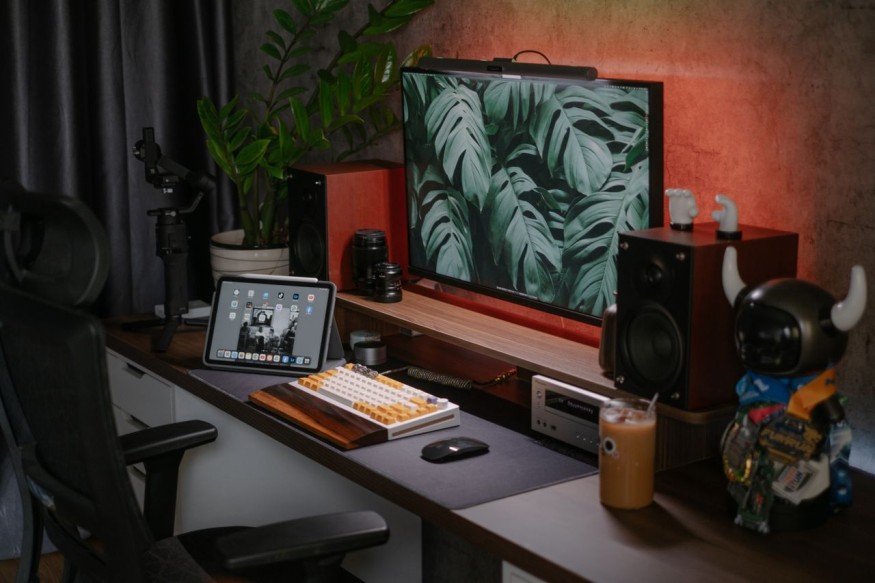
Smart home technology has transformed the way people control lighting, climate, security, entertainment, and everyday household functions. Yet in a carefully designed luxury interior, technology can become visually distracting when screens, speakers, switches, cameras, and cables compete with the architecture.
The latest approach is different. Invisible smart home tech is designed to blend into walls, ceilings, cabinetry, and furnishings so that technology supports the space without becoming its focal point. This approach combines convenience with refined interiors, creating homes where advanced automation feels almost effortless.
For homeowners and designers, the goal is not to eliminate technology. It is to make it feel like a natural part of the home.
What Is Invisible Smart Home Tech?
Invisible smart home tech refers to connected devices and automated systems that are concealed or visually integrated into an interior. Instead of relying on prominent screens and gadgets, these systems can be incorporated into architectural elements and custom furnishings.
Speakers can sit behind walls or ceilings, motorized shades can disappear into recessed pockets, and lighting controls can be flush with the surrounding surface. Even thermostats and sensors can be positioned discreetly to minimize their visual impact.
This approach is particularly suited to luxury interiors, where materials, proportions, and architectural details often take priority. A beautifully finished marble wall, custom wood panel, or minimalist ceiling can lose some of its impact when covered with multiple visible controls.
Why Is Discreet Technology Becoming Popular in Luxury Homes?
Luxury interiors have increasingly moved toward cleaner visual environments. Rather than filling rooms with decorative objects or technology, designers often focus on natural materials, architectural details, and carefully selected furnishings.
Smart technology fits this philosophy when it remains unobtrusive. A lighting system that automatically adjusts throughout the day can provide a practical benefit without adding another visible device. Similarly, concealed speakers can provide whole-home audio while preserving the appearance of a room.
The result is a space where comfort and convenience are present without making technology the center of attention.
How Can Technology Be Hidden in an Interior?
Successful integration begins with planning. Technology is easier to conceal when its location is considered during the architectural and interior design process rather than added after construction.
Lighting systems can be recessed into ceilings or incorporated into architectural features. Motorized window treatments can be hidden within ceiling pockets or behind custom valances. Television screens can disappear into cabinetry or blend into wall treatments when not in use.
Custom millwork can also provide practical hiding places for routers, charging stations, control equipment, and entertainment components. This allows the room to retain a clean appearance while still providing access to modern conveniences.
What Are the Best Examples of Minimalist Smart Tech?
- In-wall speakers: Audio equipment can be concealed behind walls or ceilings, creating a cleaner appearance while maintaining whole-room sound.
- Motorized shades: Automated blinds and curtains can open and close according to schedules, daylight, or room conditions.
- Flush-mounted controls: Smart switches and touch panels can sit nearly level with the wall instead of protruding into the room.
- Hidden entertainment systems: Televisions, projectors, and related equipment can be incorporated into cabinetry, artwork, or architectural panels.
- Integrated sensors: Motion, temperature, and air-quality sensors can be positioned discreetly so they do not interrupt the room's design.
How Does Luxury Home Automation Design Improve Everyday Living?
The strongest luxury home automation design is not necessarily the system with the greatest number of features. Instead, it is one that responds naturally to how the household uses each space.
For example, a single preset could adjust the lights, shades, temperature, and music for an evening of entertainment. A bedroom could gradually increase lighting in the morning while adjusting window coverings. Outdoor areas could be connected to the same system, allowing lighting and entertainment settings to be controlled from a central interface.
Automation can also improve energy management. Lighting can switch off when rooms are unoccupied, while shades can respond to sunlight and help manage indoor temperatures. These functions make smart technology useful rather than simply decorative.
Should Smart Technology Be Planned Before Interior Design?
Ideally, technology should be considered during the early stages of architectural and interior planning. Waiting until construction is nearly finished can make discreet integration considerably more difficult.
Early planning allows designers and technology specialists to determine where wiring, equipment, speakers, sensors, access points, and control systems should go. It also provides opportunities to coordinate technology with cabinetry, ceilings, wall treatments, and lighting.
This is especially important in luxury projects, where custom finishes can be expensive and difficult to modify later. Proper planning can prevent visible cables, awkwardly positioned controls, and equipment that disrupts carefully considered design details.
Can a Smart Home Still Feel Warm and Personal?
Absolutely. Smart technology does not have to create a cold or futuristic atmosphere. The surrounding materials and furnishings remain central to the character of the home.
Natural wood, stone, textured fabrics, soft lighting, artwork, and carefully selected furniture can establish warmth, while automation operates quietly in the background. The technology simply provides another layer of functionality.
In fact, discreet systems can help preserve a more traditional or timeless aesthetic because modern equipment does not have to dictate the visual style of the room.
What Mistakes Should Be Avoided?
A common mistake is trying to automate every possible function. Too many devices and complicated controls can make a home feel less intuitive rather than more convenient.
Another issue is poor access to concealed equipment. Technology should be hidden from view but remain serviceable when maintenance or upgrades are necessary. Designers should also consider how guests and household members will interact with the system.
Choosing technology based on actual needs is often more effective than installing devices simply because they are available. A smaller, well-integrated system can provide a better experience than an oversized collection of disconnected gadgets.
A More Refined Vision for the Smart Home
The future of sophisticated interiors may depend less on showing off technology and more on making it disappear. Invisible smart home tech allows homeowners to enjoy automation while maintaining the character of carefully designed spaces.
When integrated from the beginning, luxury home automation design can support lighting, comfort, security, entertainment, and energy management without overwhelming the interior. Meanwhile, minimalist smart tech demonstrates that advanced functionality does not have to come with visual clutter.
For luxury homeowners, the most successful smart home may ultimately be the one where the technology is barely noticed, but its benefits are felt throughout the day.
Frequently Asked Questions
1. What is invisible smart home tech?
Invisible smart home tech includes connected devices and automation systems designed to be concealed within walls, ceilings, cabinetry, furnishings, or architectural details.
2. Is discreet smart home technology expensive?
Costs vary depending on the system, installation requirements, and level of customization. Concealed systems can require additional planning and specialized installation, particularly in renovation projects.
3. Can smart technology work with traditional interior design?
Yes. Smart technology can be integrated into traditional, contemporary, minimalist, or transitional interiors. Concealed installation helps preserve the intended character of the room.
4. When should smart home technology be planned?
It is generally best to plan technology during the architectural or interior design stage. Early coordination makes it easier to conceal wiring, equipment, controls, speakers, and sensors.


High vs. Low Ceilings: How Ceiling Height Changes a Home's Atmosphere

The Architectural Details Every Homebuyer Should Understand Before Buying

How to Declutter Every Room in Your Home, From the Entryway to the Garage

IKEA's New Art Collection Turns Everyday Home Decor Into Affordable Designer Art

Sherwin-Williams's 2027 Color Forecast Unveils 48 Rich Colors to Refresh Your Home in 2027


