The Surprising Impact of Ceiling Height on Interior Architecture and Home Design
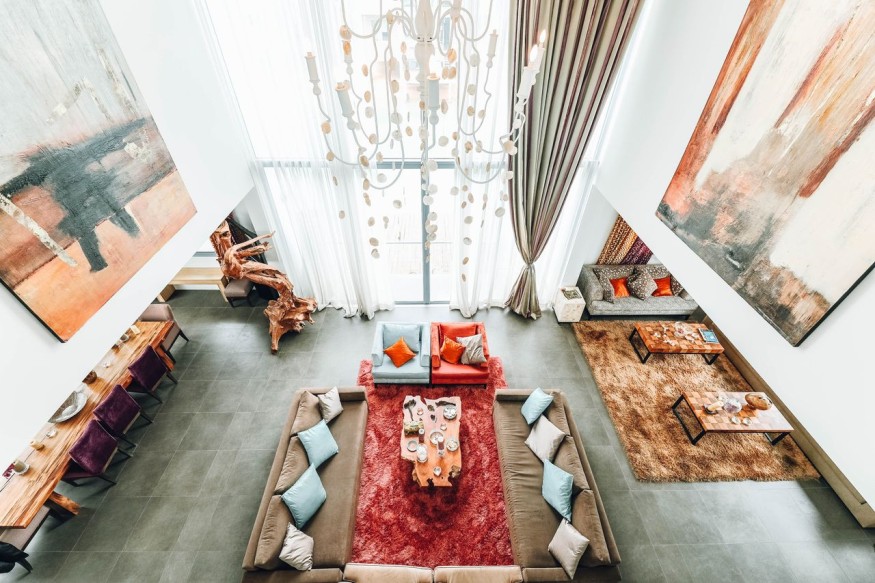
Ceiling height is one of the most influential elements in a home's overall character, yet it is often overlooked during the design process. While furniture, flooring, wall color, and lighting tend to receive more attention, the distance between the floor and ceiling can dramatically affect how a room looks and feels.
A room with generous vertical space may feel airy, dramatic, and open, while a room with a lower ceiling can feel intimate, comfortable, and grounded. Neither approach is automatically better. The right choice depends on the room's proportions, purpose, natural light, and architectural style.
Understanding how ceiling height works can help homeowners make more thoughtful decisions about renovations, new construction, and everyday decorating. It is also an important consideration in interior architecture, where proportion and spatial relationships shape the experience of a home.
How Does Ceiling Height Affect the Feel of a Room?
Ceiling height influences the perceived scale and atmosphere of a room. Higher ceilings naturally draw the eye upward, creating a stronger sense of vertical space. This can make living rooms, entryways, and entertaining areas feel more expansive and visually impressive.
Lower ceilings have a different effect. They can make a space feel more intimate and enclosed, which can be especially appealing in bedrooms, reading areas, and other rooms intended for relaxation.
The relationship between height and floor area also matters. A very tall ceiling in a small room may emphasize the limited floor space rather than making the entire room feel larger. Similarly, a lower ceiling can work beautifully in a generously proportioned room when the rest of the design is carefully balanced.
This is why ceiling height should be viewed as part of the room's overall proportions rather than as an isolated measurement.
Do High Ceilings Make a Home Look Bigger?
High ceilings can create a stronger impression of spaciousness because they increase the amount of visible vertical volume. They can also provide opportunities for taller windows, larger doors, architectural beams, dramatic chandeliers, and floor-to-ceiling built-ins.
In open-plan homes, a higher ceiling can further strengthen the sense of continuity between connected living, dining, and kitchen areas. The additional vertical space can give an expansive layout a more intentional architectural presence.
What Is the Standard Ceiling Height for a Home?
There is no single ceiling height that works for every home. Residential ceilings commonly fall within a range that accommodates everyday living while allowing for practical construction, ventilation, lighting, and mechanical systems.
Older properties may have noticeably different proportions from newer homes, while custom houses can feature everything from intimate ceiling heights to dramatic double-height spaces.
Building regulations also matter. Minimum ceiling requirements vary by location and by the type of room or renovation involved, so homeowners planning structural changes should check applicable local codes.
Beyond regulations, the ideal height depends on the home's architectural language. A traditional house may benefit from carefully proportioned rooms, while a contemporary home might use taller ceilings to reinforce an open, minimalist aesthetic.
How Does Ceiling Height Affect Natural Light?
Ceiling height and natural light are closely connected through window proportions and placement. Taller rooms can accommodate larger windows, which may strengthen the connection between the interior and exterior.
In a room with high ceilings, tall windows can emphasize vertical lines and make the architecture feel intentional. Clerestory windows can also introduce daylight higher on the wall while maintaining privacy.
Lower-ceiling rooms require a different approach. Thoughtful window placement, light-colored surfaces, mirrors, and layered lighting can help prevent the space from feeling visually compressed.
The ceiling itself also plays a role. A bright, reflective finish can bounce light throughout a room, while darker finishes can make the ceiling feel visually lower and more prominent.
Can Low Ceilings Still Look Stylish?
A lower ceiling does not have to limit good home design. In fact, many interiors use modest ceiling heights to create warmth and intimacy.
Furniture can be selected with the room's proportions in mind, while vertical details can guide the eye upward. Full-height curtains, tall shelving, simple wall treatments, and carefully positioned lighting can all enhance the perception of height.
Ceiling design is equally important. Excessively bulky molding, deep soffits, or complicated dropped ceilings can reduce visual clearance. A simpler treatment may allow the existing height to feel more generous.
The goal is not necessarily to make a low ceiling appear extremely tall. Instead, the design should make the available height feel deliberate and harmonious.
How Does Ceiling Height Influence Interior Architecture?
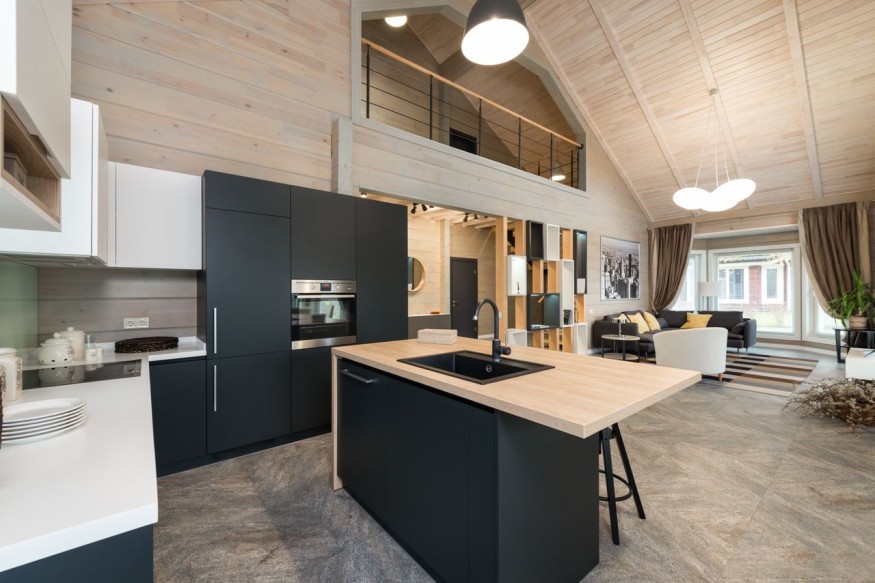
In interior architecture, ceiling height is part of the spatial framework that determines how people experience a home. Changes in height can establish hierarchy, separate functional zones, and create transitions between spaces.
For example, a home might use a lower ceiling in a hallway before opening into a taller living area. The contrast makes the larger room feel even more expansive without requiring every room to have the same height.
Vaulted ceilings, coffered ceilings, exposed beams, and double-height spaces can also turn vertical volume into a defining architectural feature.
These decisions demonstrate why ceiling height is more than a construction specification. It can influence circulation, visual rhythm, furniture selection, lighting, and the emotional character of an interior.
What Are the Pros and Cons of High Ceilings?
High ceilings can bring drama and openness to a home, but they also introduce practical considerations.
- More visual volume: Tall rooms can feel airy and architecturally impressive.
- Greater design flexibility: Extra height allows for tall windows, artwork, shelving, and statement fixtures.
- Maintenance challenges: Cleaning, painting, and changing light fixtures can become more difficult.
- Climate considerations: Larger volumes may require careful heating and cooling strategies.
- Proportion matters: Excessive height can make an undersized room feel less balanced.
Choosing Ceiling Height That Fits the Home
There is no universal answer when it comes to the ideal ceiling height. The most successful spaces consider height alongside floor area, natural light, furniture, architectural style, and function.
For homeowners, the key is to think beyond the measurement itself. Ceiling height can shape the way a room is experienced from the moment someone walks through the door. When considered carefully as part of interior architecture, it becomes an important tool for creating a comfortable, visually balanced, and characterful home.
Frequently Asked Questions
1. Does ceiling height affect how spacious a room feels?
Yes. Greater vertical volume can make a room feel more open, while lower ceilings can create a more intimate atmosphere. The final effect also depends on floor area, lighting, furniture, and room proportions.
2. What ceiling height is best for a living room?
A living room can work with various ceiling heights. The best option depends on the room's dimensions, architectural style, window placement, and furniture scale.
3. Are high ceilings better than low ceilings?
Neither is inherently better. High ceilings can provide openness and architectural drama, while lower ceilings can create warmth and intimacy. The appropriate choice depends on the home's design and how the room is used.
4. How can a low ceiling look taller?
Full-height curtains, vertical architectural details, appropriately scaled furniture, effective lighting, and simple ceiling treatments can help create the impression of greater vertical space.


Dunn-Edwards' 2027 Color of the Year Is a Rich Brown With a Subtle Plum Undertone

6 Timeless Home Décor Choices That Will Still Look Good 10 Years From Now

Brise-Soleil Is Back: The Architectural Sun-Shading Feature Designers Are Using Again

How Breezeways Are Transforming Modern Homes With Air, Light and Outdoor Connection

IKEA's New Art Collection Turns Everyday Home Decor Into Affordable Designer Art


