Decorating on a Budget? Here’s Where Designers Recommend Spending More
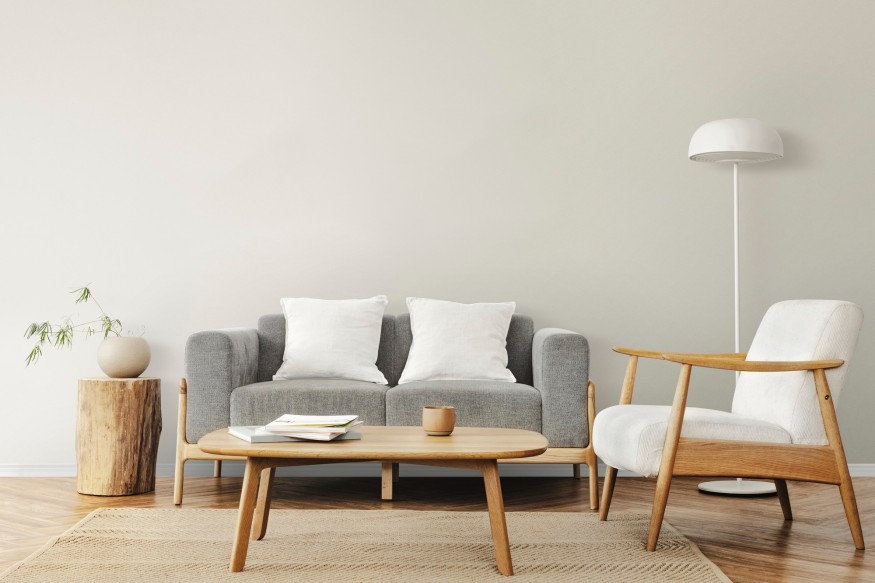
Furnishing a home can quickly become an expensive undertaking, particularly when every room requires several pieces of furniture. From sofas and dining tables to accent chairs, storage cabinets, and decorative accessories, the choices can make it difficult to determine where a larger investment is genuinely worthwhile.
However, creating a beautiful and functional interior does not necessarily mean purchasing the most expensive furniture available. Interior designers generally recommend approaching furnishing budgets strategically, prioritizing pieces that receive frequent use while finding more affordable alternatives for items that are easier to replace.
The distinction is important because furniture serves different purposes within a home. A sofa used every evening needs to withstand considerably more wear than a small decorative side table positioned beside an occasional reading chair.
The goal is to identify which purchases offer lasting value and which ones can be approached with greater flexibility.
According to a recent Good Housekeeping feature published on November 15, designers recommend investing in foundational furnishings while saving on smaller decorative and trend-driven pieces. Designer Katie Kiser emphasizes the value of quality furnishings that can adapt as households move, renovate, or change their decorating preferences.
Furniture Pieces Worth the Investment
Not every expensive furniture purchase is automatically worthwhile. Construction, materials, comfort, and expected use should determine whether a particular item deserves a larger portion of the decorating budget.
1. Sofas and upholstered seating
A sofa is one of the most frequently used pieces of furniture in many homes. It needs to accommodate everyday activities, from relaxing and watching television to entertaining visitors.
Investing in a well-constructed sofa can make a noticeable difference in comfort and longevity. Solid frames, durable suspension systems, supportive cushions, and upholstery suited to household needs are important considerations.
Performance fabrics can be particularly useful in homes with children or pets because they are generally designed to handle everyday wear more effectively.
A timeless silhouette also makes a sofa easier to incorporate into future decorating schemes. Rather than choosing an expensive piece based entirely on a temporary trend, homeowners can select a versatile design and update its appearance through cushions and throws.
2. Dining tables
Dining tables experience considerable daily use, especially in homes where the dining area doubles as a workspace or gathering place.
A sturdy table made from quality wood or another durable material can remain functional for years. Its dimensions, construction, and finish should be considered carefully before purchasing.
Because dining tables are often prominent visual elements, investing in a design that complements the architecture and overall interior style can also improve the room's appearance.
3. Beds and mattresses
The bedroom should prioritize comfort and practical functionality. A supportive mattress deserves particular attention because it directly affects everyday rest.
A well-made bed frame can also be a worthwhile investment, especially when it provides reliable structural support and offers storage solutions suited to the room.
4. Storage furniture
Cabinets, dressers, bookcases, and sideboards can justify higher spending when they are used regularly and need to support considerable weight.
Quality construction, reliable drawer mechanisms, and durable finishes make these pieces more practical over time.
5. Frequently used accent seating
An upholstered armchair, reading chair, or entryway bench may deserve more attention than its decorative appearance suggests. If a household uses it daily, comfort and construction become important considerations.
Where Homeowners Can Save Without Sacrificing Style
A balanced furnishing budget also requires identifying purchases that do not need premium materials or expensive designer labels.
- Small accent tables: Drink tables, occasional tables, and smaller decorative surfaces can often be purchased affordably without affecting the room's overall quality.
- Decorative accessories: Vases, trays, picture frames, and ornamental objects are relatively easy to replace as preferences change.
- Children's furniture: Beds, desks, and storage pieces may need replacing as children grow and their requirements evolve.
- Trend-driven furniture: Highly distinctive pieces associated with short-lived decorating trends are often better purchased at accessible price points.
- Occasional-use furnishings: Furniture that receives limited use may not require the same level of investment as everyday essentials.
Saving does not mean choosing poorly constructed furniture. Homeowners should still inspect materials, stability, dimensions, and finishes before purchasing.
Secondhand shops, vintage retailers, online marketplaces, and budget-friendly furniture stores can also provide attractive alternatives.
How to Evaluate Furniture Before Spending More
Price alone is not a reliable measure of quality. A costly piece may have an attractive finish but lack the construction required for long-term use.
Before committing to a larger purchase, homeowners should examine the frame, joinery, upholstery, hardware, and maintenance requirements. Furniture that can be repaired, refinished, or reupholstered may offer better long-term value than a cheaper item that must be replaced entirely.
Measurements are equally important. Even a beautifully constructed sofa can become an expensive mistake if it overwhelms the room or cannot pass through the home's doorways.
Designers also encourage homeowners to consider their actual routines. A formal dining table may be unnecessary for someone who rarely entertains, while a durable sectional may be essential for a household that spends considerable time in the living room.
Building a Furniture Budget That Works Long Term
A practical furnishing strategy begins with identifying the pieces that support everyday living. Homeowners can prioritize essential furniture, establish realistic spending limits, and gradually introduce decorative elements as the budget allows.
It can also help to purchase fewer, better-made pieces instead of filling every available corner immediately. An interior does not need to be completed in one shopping trip, and allowing a room to develop gradually can result in more considered decisions.
Ultimately, the best furnishing budget is not necessarily the largest one. It is the budget that reflects how a household uses its space, values durability, and balances functional requirements with personal style.
Knowing where to spend more and where to save allows homeowners to create interiors that look considered without making every furniture purchase an expensive commitment.
Frequently Asked Questions
1. Which furniture pieces are worth spending more money on?
Sofas, dining tables, mattresses, bed frames, and frequently used storage furniture are generally worth prioritizing because they receive regular use and need to withstand everyday wear.
2. Is expensive furniture always better quality?
No. Price does not automatically guarantee quality. Construction, materials, joinery, upholstery, and durability are more useful indicators when evaluating furniture.
3. What furniture is best to buy on a budget?
Small accent tables, decorative accessories, occasional-use furniture, and trend-driven pieces are often suitable categories for saving money.
4. Is secondhand furniture worth buying?
Yes. Vintage and secondhand furniture can offer excellent construction, distinctive designs, and better value. Buyers should inspect structural condition, materials, and any necessary repairs before purchasing.


Bella Hadid Buys $5.5 Million Colorado Mountain Home in Crested Butte

Lady Gaga's Former NYC Penthouse in the Historic Hit Factory Lists for $6.995 Million

Brussels Furniture Fair 2026 Showcases New Collections and European Design

Thinking About DIY Home Repairs? These Unexpected Costs Could Change Your Mind

Move Over, Bows: Tassels Are Bringing Texture and Luxury to Christmas Decor in 2026


