How to Blend Indoor Outdoor Style Into Your Front Porch for Better Indoor Outdoor Living
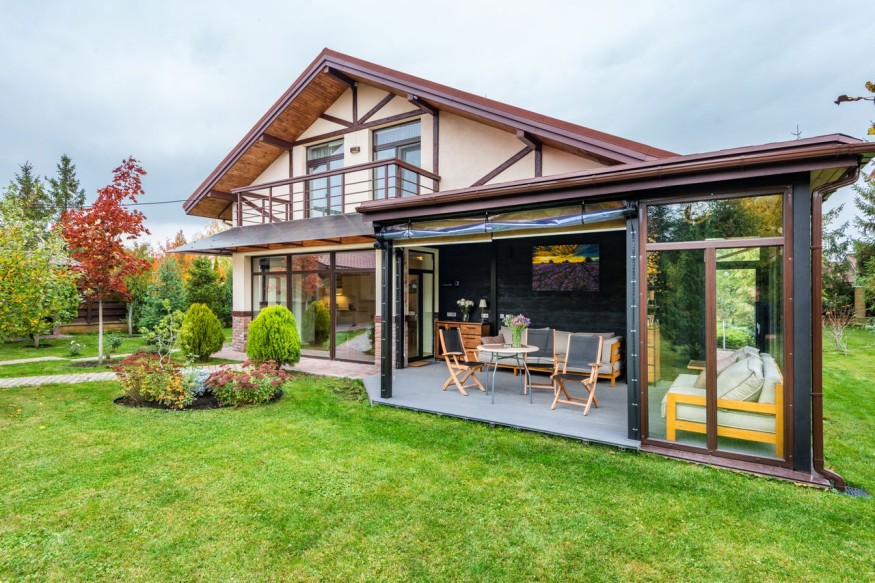
A front porch can do more than frame a home's entrance. With the right furniture, colors, textures, and accessories, it can become a comfortable transition between the interior and the landscape. This approach to indoor outdoor living makes the porch feel connected to the rest of the home instead of looking like a separate decorative space.
The key to successful indoor outdoor style is not copying an interior room outdoors. Instead, the goal is to carry familiar design elements outside while choosing materials that can handle changing weather conditions. From coordinated color palettes to durable rugs and comfortable seating, thoughtful front porch design can make even a modest entryway feel more intentional.
What Is Indoor-Outdoor Design?
Indoor-outdoor design creates a visual relationship between the home's interior and exterior. The transition can be achieved through repeated colors, complementary materials, similar furniture styles, and decorative details that feel connected without being identical.
The front porch is naturally suited to this approach because it sits between the home's interior and the surrounding yard or street. A porch that echoes the style of an entryway or nearby living room can create a smoother visual flow.
For example, a home with warm wood floors and neutral furnishings might continue those tones outdoors through a wood door, natural-fiber-inspired outdoor rug, and weather-resistant seating in cream or tan. A contemporary home could instead use streamlined furniture, simple planters, and restrained colors.
How Do You Make a Front Porch Feel Like an Extension of Your Home?
The easiest place to begin is with the existing home. Rather than selecting porch furnishings independently, homeowners can look at the colors, finishes, and architectural details already present indoors.
The entryway is particularly useful for inspiration. A porch can pick up the color of an interior wall, repeat a wood finish, or echo the shape of furniture found inside. These connections help create a sense of continuity.
That does not mean every detail needs to match. In fact, using the same elements too literally can make the porch feel overly staged. A better approach is to select a few recognizable design cues and reinterpret them with outdoor-friendly materials.
How Do You Choose Furniture for a Front Porch?
Furniture has a major influence on front porch design, particularly when the space is large enough for more than a single chair or bench. The right pieces can turn an overlooked entrance into a functional outdoor sitting area.
Comfort should be considered alongside appearance. Deep lounge chairs, compact sofas, porch swings, and benches can all work, depending on the size and layout of the porch. Pieces should also leave enough room for people to comfortably reach the front door and move through the space.
Outdoor furniture is available in a wide range of styles, making it easier to continue an interior aesthetic outside. A traditional home might suit classic wooden seating, while a contemporary property could benefit from simple metal or streamlined composite designs.
Can Outdoor Rugs and Textiles Make a Porch Feel More Like Home?
Textiles are one of the simplest ways to introduce indoor outdoor style. An outdoor rug can visually define a seating area, while cushions and pillows can bring softness and color to otherwise hard architectural surfaces.
The important distinction is choosing textiles specifically designed for exterior use. Outdoor rugs and performance fabrics are generally better suited to exposure to sunlight and moisture than indoor alternatives.
Pattern can also help connect the porch to the interior. A subtle geometric pattern, for instance, might echo a pattern used inside without appearing overly coordinated. Neutral textiles can create a quieter backdrop when the architecture, plants, or front door are intended to be the focal points.
What Colors Work Best for Indoor-Outdoor Living?
A consistent color palette can make the transition from indoors to outdoors feel natural. Neutral shades such as cream, beige, taupe, gray, and brown are versatile starting points, while earthy greens and muted blues can connect the porch with its surrounding landscape.
The home's existing colors should provide the main reference point. If the interior uses warm neutrals, introducing cooler tones exclusively on the porch can make the spaces feel disconnected.
Accent colors can be introduced through smaller details rather than permanent finishes. Cushions, planters, seasonal flowers, and accessories offer opportunities to refresh the porch without changing its entire design.
How Can Different Materials Create a Cohesive Porch?
Material selection adds depth to outdoor living spaces while helping the porch relate to the home's architecture. Wood, brick, stone, metal, woven materials, and outdoor-rated fabrics can work together when their colors and finishes complement one another.
Natural materials can be especially effective for creating a softer transition between a house and its landscaping. Wood furniture, for example, can echo wood flooring or cabinetry indoors, while stone or brick can reference an exterior wall or walkway.
Mixing textures is also useful. Smooth metal paired with woven seating and a textured rug can add visual interest without requiring numerous decorative objects.
How Can Plants Connect Indoor and Outdoor Spaces?
Plants naturally bridge the gap between architecture and the landscape. They can also make a porch feel more layered and welcoming without taking up the amount of space required by additional furniture.
Select planters to complement the home's exterior finishes. Large containers can frame an entrance, while smaller pots can add greenery around seating areas. Where the architecture allows, window boxes or climbing plants can further connect the porch with the surrounding garden.
The choice of plants should account for the porch's light exposure, climate, and maintenance requirements. A beautiful arrangement will be easier to maintain when the plants are suited to their location.
How Does Lighting Affect Front Porch Design?
Lighting can make a significant difference to how a porch looks after sunset. Instead of relying on a single fixture, layered lighting can create a warmer and more functional atmosphere.
Wall sconces can highlight the entrance, while pendant lights can provide a stronger focal point on a covered porch. Smaller accent lights can draw attention to plants, architectural details, or pathways.
The fixture style should also relate to the home's architecture. Repeating metal finishes or shapes used elsewhere on the property can make the lighting feel like part of a larger design scheme.
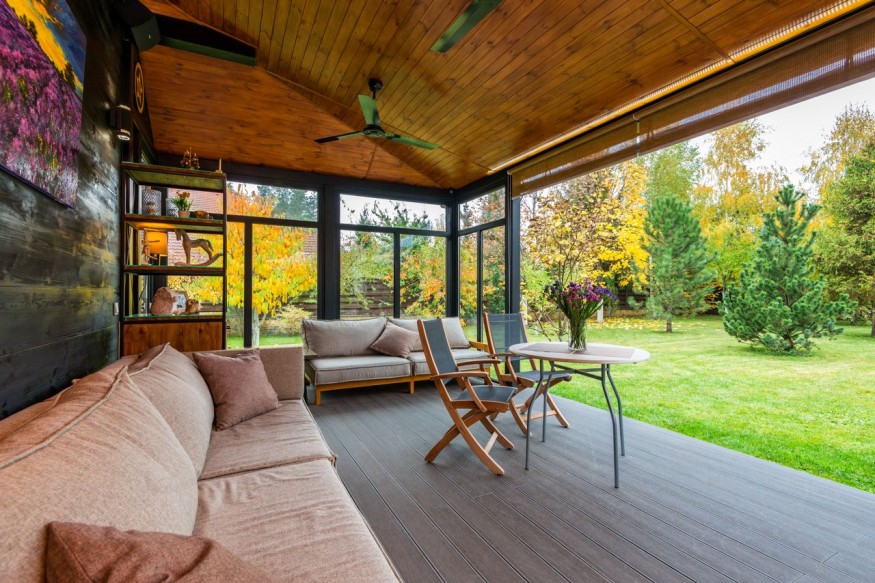
Front Porch Ideas for Creating a Seamless Indoor-Outdoor Look
A cohesive porch does not require an extensive renovation. Small adjustments can create a stronger connection between the home and its exterior.
- Repeat one or two interior colors through outdoor cushions, rugs, or planters.
- Choose weather-resistant furniture that reflects the home's interior design style.
- Use an outdoor rug to visually define a seating or conversation area.
- Coordinate porch lighting with the home's architectural finishes and hardware.
- Add plants and containers that complement both the home's facade and landscaping.
What Should Be Avoided When Mixing Indoor and Outdoor Styles?
One common mistake is prioritizing appearance over practicality. Indoor furniture and fabrics may look attractive initially but can deteriorate quickly when exposed to outdoor conditions.
Another issue is trying to incorporate too many unrelated styles. A porch filled with contrasting colors, furniture shapes, and accessories can feel disconnected from the home.
Scale also matters. Oversized furniture can overwhelm a narrow porch, while pieces that are too small may make a larger space feel unfinished. The most successful front porch ideas consider the architecture, available space, climate, and way the porch will actually be used.
Creating a Front Porch That Feels Like Part of the Home
A well-designed porch can make the transition from indoors to outdoors feel almost effortless. The most effective indoor-outdoor living spaces typically rely on a few consistent elements rather than matching every detail.
Color, texture, furniture, lighting, and greenery can all help establish that connection while remaining appropriate for exterior conditions. Whether the porch is a generous entertaining area or a compact entryway, thoughtful front porch design can turn it into a natural extension of the home's character.
Frequently Asked Questions
1. How do you blend indoor and outdoor decor?
Choose colors, materials, and design details that already appear inside the home, then reinterpret them using weather-resistant outdoor furnishings and accessories.
2. How can a front porch look more inviting?
Comfortable seating, layered lighting, greenery, an outdoor rug, and a coordinated color palette can make a front porch feel more welcoming.
3. What furniture is best for a front porch?
Weather-resistant sofas, lounge chairs, benches, swings, and compact dining furniture can work well, depending on the porch's size, layout, and intended use.
4. How do you make a porch feel like an outdoor living room?
Define functional zones with furniture and rugs, introduce comfortable textiles, add appropriate lighting, and use decor that reflects the home's interior style.


How Decorative Window Film Can Transform Awkward Windows Into a Stylish Design

The Designer-Friendly Way to Make Halloween Decor Fit Your Home

Architectural Louvers Explained: Why Modern Buildings Use This Simple Feature

What Is the Best Material for a Birdhouse? Experts Recommend These Options

Dunn-Edwards' 2027 Color of the Year Is a Rich Brown With a Subtle Plum Undertone


