No Fence Needed: Stylish Backyard Privacy Ideas With Plants, Screens, and Smart Landscaping
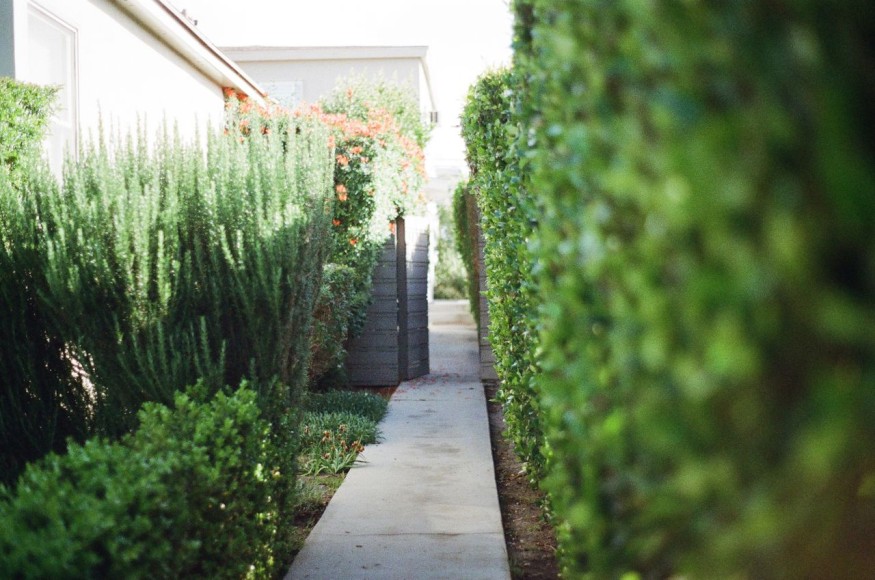
A backyard can feel exposed when neighboring homes, busy streets, or nearby patios are constantly within view. While a traditional fence is one way to create separation, it is not the only option. Thoughtful landscaping, planting, and outdoor structures can provide backyard privacy while keeping a garden feeling open and connected to its surroundings.
For homeowners who prefer a softer approach, privacy can become part of the landscape rather than a boundary added around it. Trees can frame a seating area, shrubs can soften an unwanted view, and decorative screens can create separation exactly where it is needed. These solutions can also add greenery, texture, shade, and visual interest to an outdoor space.
Start With the Sightlines
Before choosing plants or screens, it helps to determine exactly where privacy is lacking. A backyard may not need to be screened on every side. Instead, the most important areas might be a patio overlooked by a neighboring window, a pool visible from the street, or a seating area that feels too exposed.
Standing in different parts of the yard can reveal where views enter the space. It is also useful to consider how the yard looks from inside the house. A privacy solution that blocks an unwanted view from the patio could unintentionally obstruct a desirable garden view from a kitchen or living room.
Targeted screening generally creates a more natural result than trying to make the entire backyard completely enclosed.
Use Privacy Plants as a Living Barrier
Privacy plants can create separation while making the yard feel more like a garden. Evergreen shrubs and trees are useful when year-round screening is important, while deciduous plants can provide seasonal coverage and changing color.
Plant height, mature width, growth rate, and maintenance requirements should all be considered before planting. A small shrub that looks perfectly suited to a narrow border may eventually become too large for the available space. Choosing plants based on their mature dimensions can help prevent excessive pruning later.
Layered planting can also make a privacy screen appear less rigid. Taller trees can form a background, medium-height shrubs can fill the middle layer, and grasses or flowering plants can occupy the foreground.
Privacy Plants and Backyard Elements to Consider
- Evergreen shrubs for consistent year-round screening
- Ornamental grasses for movement and softer sightlines
- Small trees for height and shade
- Climbing vines for trellises and pergolas
- Large container plants for flexible screening
Add Outdoor Privacy Screens Where They Matter Most
Outdoor privacy screens offer a practical solution when immediate screening is needed. Unlike a permanent fence, a freestanding screen can be placed around a specific seating area, dining space, hot tub, or deck.
Wood slats, lattice panels, woven materials, and decorative metal screens can complement different garden styles. Screens with openings can provide separation without making the yard feel closed off. Their placement also matters. A screen positioned directly between a seating area and a neighboring window can provide more useful privacy than several screens placed around the perimeter.
Plants can be added around or in front of screens to soften their appearance. A climbing vine trained across a trellis, for example, can eventually make a structural screen feel more integrated with the garden.
Create Privacy With a Pergola or Trellis
Vertical structures can introduce privacy without taking up the same amount of ground space as a hedge. A pergola can define an outdoor room while providing a framework for climbing plants, curtains, or adjustable screening.
A trellis can work particularly well in smaller backyards. Positioned beside a patio or seating area, it can interrupt a direct line of sight while leaving the rest of the garden visually open. Climbing plants can gradually cover the structure, creating a living screen that changes throughout the growing season.
These approaches are especially useful for homeowners who want garden privacy ideas that contribute to the overall design rather than simply hiding the yard.
Try Large Planters for Flexible Screening
Large planters provide another way to create privacy without permanently altering the property. Tall plants placed in substantial containers can block views around patios, balconies, and outdoor dining areas.
This approach is useful when the desired privacy changes throughout the year. Containers can be rearranged when entertaining, moved to follow seasonal conditions, or repositioned as outdoor furniture changes.
For a cohesive look, planters can repeat materials or finishes already used elsewhere in the landscape. The plants themselves can provide height and texture while the containers add another layer of visual interest.
Use Outdoor Curtains for Temporary Privacy
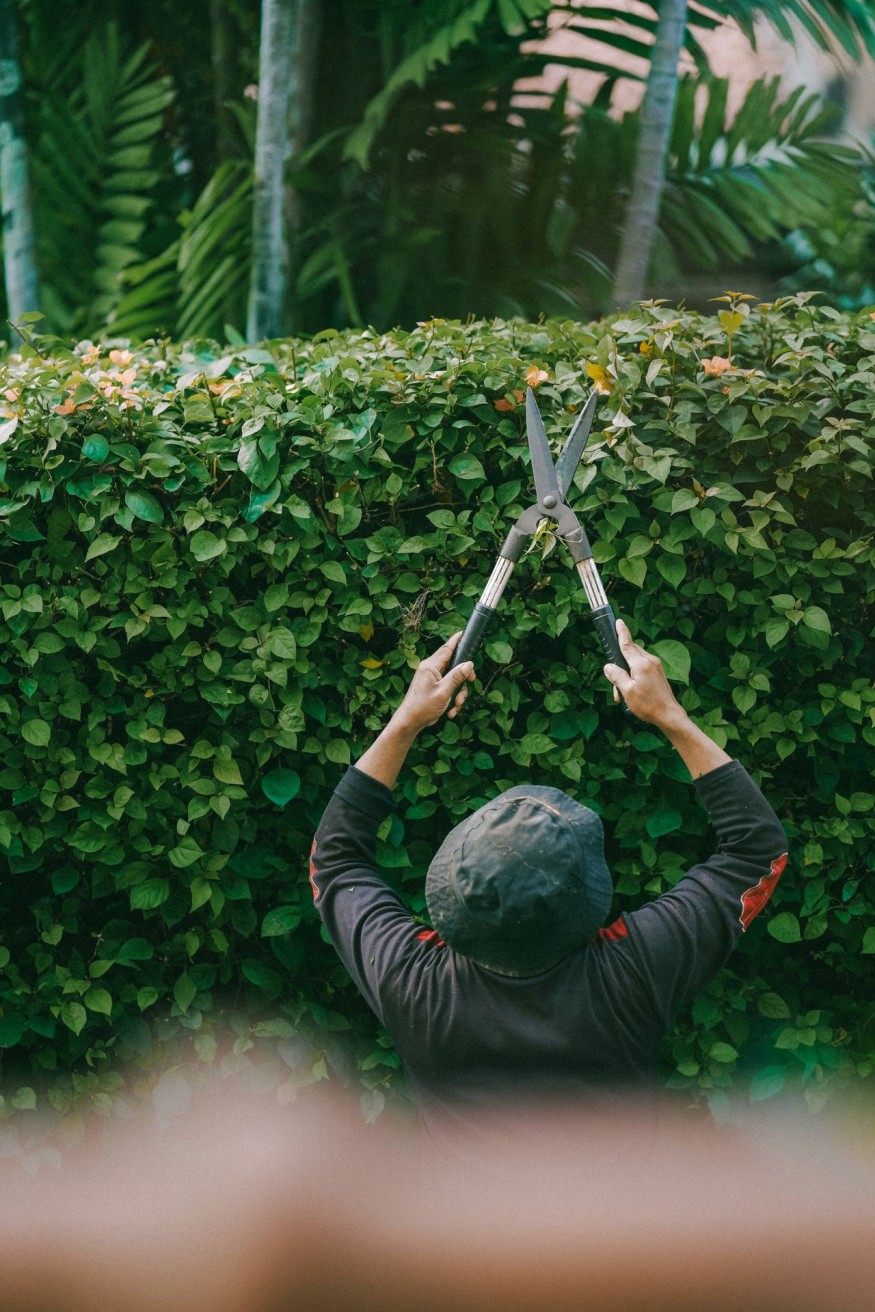
Outdoor curtains can make a patio, pergola, or covered seating area feel more secluded without creating a permanent barrier. They can be drawn when privacy is needed and opened when homeowners want an unobstructed view.
Weather-resistant fabrics are better suited to outdoor conditions, particularly in areas exposed to moisture and strong sunlight. Curtains can also soften hard architectural elements, making them useful for creating a more relaxed outdoor living area.
Make Privacy Part of Low-Maintenance Landscaping
Privacy features should not create an excessive maintenance burden. Low-maintenance landscaping can provide screening while keeping regular pruning, watering, and replacement to a manageable level.
Plants suited to the local climate generally require less intervention than varieties that struggle with existing conditions. It is also worth considering how quickly each plant grows. Fast-growing options can establish screening sooner, but they may require more frequent pruning. Slower-growing plants can take longer to provide coverage but may be easier to manage over time.
A combination of durable plants, appropriately sized structures, and strategically positioned screens can create privacy without turning the backyard into a high-maintenance project.
Combine Several Privacy Solutions
The most natural-looking backyard privacy often comes from combining different elements instead of relying on one continuous barrier. A patio might use a trellis on one side, tall planting behind it, and large containers near the seating area. A pergola could combine climbing plants with outdoor curtains for privacy that can be adjusted as needed.
This layered approach also allows homeowners to preserve sunlight, airflow, and desirable views. Rather than treating privacy as a single landscaping feature, it becomes part of the overall garden design.
A More Private Backyard Can Still Feel Open
Creating backyard privacy does not require surrounding a property with a solid fence. Plants, trellises, pergolas, containers, curtains, and outdoor privacy screens can each provide a different level of separation while contributing to the appearance of the landscape.
The best solution depends on the yard's layout, climate, maintenance preferences, and the views that need to be blocked. By focusing on specific sightlines and incorporating privacy into the garden itself, homeowners can create a more comfortable outdoor space without sacrificing openness or visual appeal.
Frequently Asked Questions
1. What is the easiest way to create backyard privacy without a fence?
Large planters, freestanding outdoor privacy screens, tall shrubs, and outdoor curtains can provide relatively simple ways to increase privacy without installing a permanent fence.
2. What are the best privacy plants for a backyard?
The best privacy plants depend on the local climate, available space, desired height, and maintenance requirements. Evergreen shrubs, dense hedges, ornamental grasses, and appropriately sized trees are common choices.
3. How can a small backyard have more privacy?
Small yards can benefit from vertical solutions such as trellises, climbing plants, narrow screens, pergolas, and tall containers. These options use vertical space while preserving valuable floor area.
4. How can backyard privacy be created without blocking sunlight?
Open-lattice screens, spaced planting, trellises, climbing vines, and adjustable curtains can provide privacy while allowing natural light to pass through. Strategic placement can also prevent privacy features from unnecessarily shading the entire yard.


Move Over Beige: Farrow & Ball Says Purple Is About to Take Over Home Design

Have a Window in Your Shower? Here's What Designers Say You Should Do With It

The Retro Conversation Pit Is Back, and It Could Transform the Modern Living Room

Why Smart Gardeners Are "Banking" Their Gardens This Fall for a Better Spring

10 Feng Shui Office Ideas That Can Help Your Workspace Feel More Productive


