How to Style a Day Bed: 9 Day Bed Ideas That Make It Feel Intentional
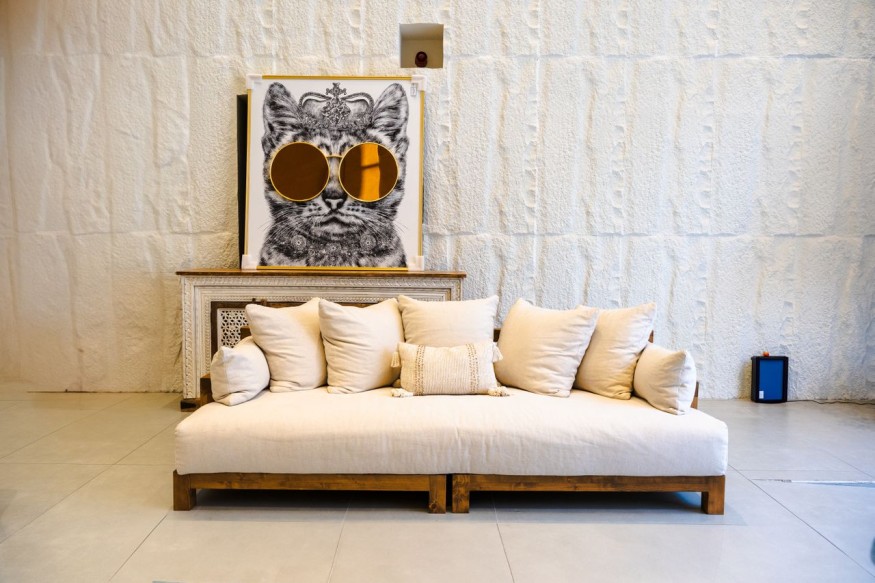
A day bed can be one of the most versatile pieces in a home, offering a place to sit, read, relax, or accommodate an overnight guest. Yet without thoughtful styling, it can easily look like a mattress placed in a room rather than a deliberate part of the interior design.
Learning how to style a day bed is largely about creating visual balance. The right combination of cushions, textiles, surrounding furniture, and decorative details can make the piece feel polished and purposeful. Whether it sits in a bedroom, living room, guest room, home office, or reading nook, effective day bed styling can help it blend naturally with the rest of the space.
How to Style a Day Bed for a Polished Look
The first step in how to decorate a day bed is deciding how it will function. A day bed intended primarily for lounging can be styled more like a sofa, while one used frequently for sleeping may require a more practical arrangement.
The day bed should also relate to the room's existing design. Its frame, upholstery, bedding, and accessories should complement nearby furniture rather than compete with it. A cohesive color palette is particularly useful because it helps the day bed feel integrated into the overall scheme.
Scale matters, too. Oversized cushions can overwhelm a narrow day bed, while tiny pillows may leave a larger frame looking sparse. Choosing accessories that correspond with the size of the furniture creates a more balanced appearance.
Read more: Meet Pattern Sandwiching: The Maximalist Interior Design Trend Giving Rooms More Personality
Create a Sofa-Like Silhouette With Pillows
One of the easiest day bed decorating ideas is to make the piece resemble a comfortable sofa during the day. This can be achieved with a structured arrangement of pillows along the back.
Large square cushions can provide the foundation, while smaller decorative pillows add layers in front. A lumbar pillow or bolster can introduce another shape without making the arrangement feel overly formal.
The number of pillows should suit the size of the day bed. Too many can make the surface difficult to use, while too few may make it appear unfinished. Textures such as linen, cotton, velvet, or woven fabrics can also add visual interest without relying on excessive patterns.
Choose Bedding That Looks Tailored
Bedding has a major influence on day bed decor. Loose sheets and bulky comforters can make the furniture look more like a conventional bed, particularly when it is being used as a seating area.
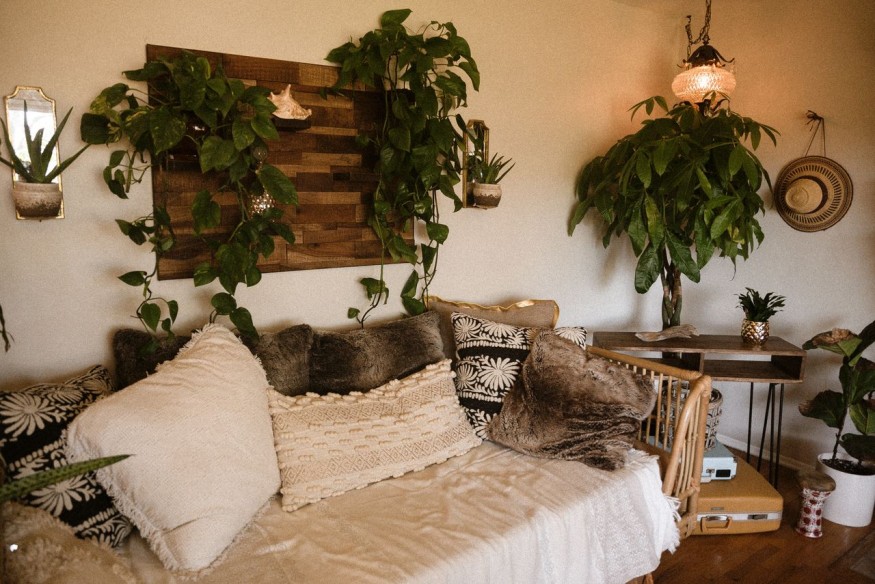
A neatly fitted cover, quilt, or lightweight blanket can create a cleaner appearance. Neutral bedding works particularly well in rooms where the day bed is intended to blend into the surrounding decor. For a more expressive look, patterned textiles can introduce personality while echoing colors found elsewhere in the room.
A throw folded neatly across one end can add softness and make the day bed appear inviting without covering the entire surface.
Give the Day Bed a Defined Setting
A day bed looks more intentional when the surrounding area has a clear purpose. Instead of treating it as a standalone piece, the furniture can become the centerpiece of a small seating or relaxation zone.
A side table beside the day bed provides a practical place for books, a lamp, or decorative objects. A floor lamp can establish a comfortable reading area, while a rug can visually connect the day bed with nearby furniture.
The wall behind the day bed can also play an important role. Artwork, wallpaper, shelving, paneling, or a large mirror can create a finished backdrop. These details help prevent the furniture from appearing as though it was simply pushed against an empty wall.
Day Bed Ideas for Different Rooms
The versatility of a day bed makes it suitable for more than bedrooms. In a living room, it can provide additional seating while giving the space a relaxed character. In a guest room, it can serve as both a sofa and sleeping surface without requiring a separate bed and seating arrangement.
A home office can benefit from a day bed positioned in an unused corner, creating a comfortable spot for reading or taking breaks. In a sunroom, a lightweight frame paired with natural textiles can reinforce a casual atmosphere.
For smaller rooms, a day bed with built-in drawers or a trundle can add useful storage or sleeping capacity without requiring additional floor space.
Simple Day Bed Styling Principles
The most successful day bed design usually combines comfort with visual consistency. A few details can have a significant effect on the finished arrangement:
- Coordinate the day bed's colors with nearby furniture and accessories.
- Use layered pillows to create a supportive, sofa-like backrest.
- Add a throw or textured blanket for warmth and dimension.
- Anchor the furniture with a rug or complementary side table.
- Keep the surrounding area uncluttered so the day bed remains visually defined.
Common Day Bed Decorating Mistakes to Avoid
Even attractive furniture can look out of place when the styling is inconsistent. One common mistake is using bedding that completely hides the frame, which can make the piece look like an ordinary bed.
Another is adding too many decorative pillows or accessories. While layering can make a day bed inviting, excessive decoration can reduce its practicality. It is also worth considering the relationship between the day bed and the room's other furniture. A poorly positioned piece can interrupt circulation or make the space feel crowded.
Color coordination is equally important. The day bed does not need to match every item in the room, but repeating one or two colors through pillows, rugs, artwork, or curtains can create a more unified interior design.
How to Make a Day Bed Look Like Part of the Room
The strongest day bed ideas treat the furniture as part of a larger composition rather than an isolated addition. Its colors can be echoed elsewhere, while lighting, artwork, rugs, and accent furniture can reinforce its intended function.
Ultimately, how to style a day bed comes down to making the piece feel purposeful. With tailored textiles, thoughtfully layered pillows, suitable accessories, and a well-planned setting, a day bed can become a comfortable and visually cohesive feature rather than looking like an extra couch or unfinished bed.
Frequently Asked Questions
1. How do you style a day bed like a couch?
Large back cushions, decorative pillows, and a neatly arranged throw can give a day bed a sofa-like appearance. A nearby side table and lamp can further establish it as a seating area.
2. How do you decorate a day bed?
A day bed can be decorated with layered cushions, a textured throw, coordinated bedding, and accessories around it. Artwork or other wall decor can help create a finished backdrop.
3. How do you make a day bed look less like a bed?
Tailored covers, sofa-style cushions, and restrained bedding can reduce its bedroom-like appearance. Keeping sheets and bulky blankets concealed during the day can also create a cleaner silhouette.
4. What should be placed next to a day bed?
A small side table, floor lamp, plant, or compact storage piece can work well beside a day bed. The choice should depend on the room's available space and the furniture's intended use.


From Craft Rooms to Music Studios: Why Dedicated Hobby Spaces Are Trending

Dr. Phil Lists Beverly Hills Mansion for $67.5 Million, More Than Double Its Purchase Price

From Bold Paint to Wood Paneling: Ceiling Ideas That Elevate Interiors

The Best Flooring Transitions for a Seamless Look Between Different Materials

How to Use Floating Furniture to Create Zones in an Open-Plan Home


