The Furniture-Like Appliance Trend Is Giving Modern Kitchens a Major Upgrade
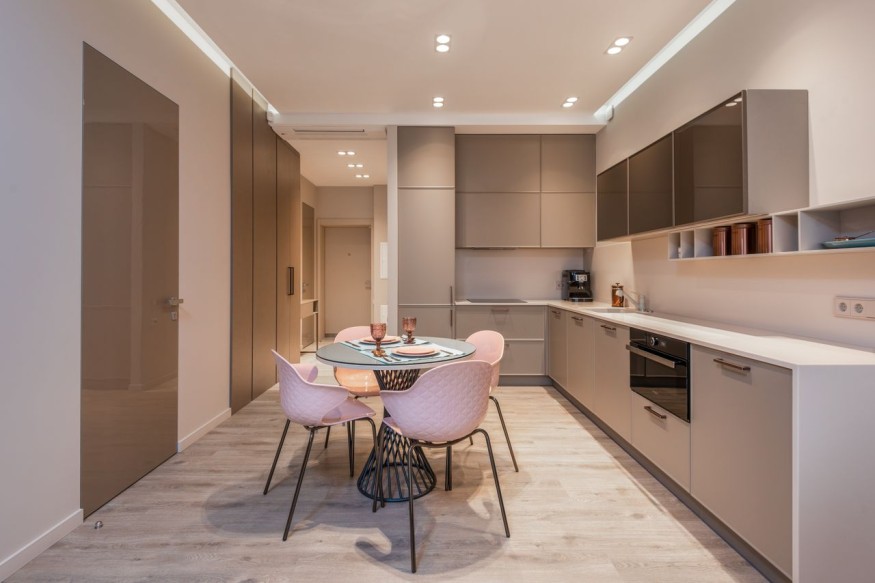
The modern home is becoming less interested in appliances that announce themselves. Across contemporary kitchen design, refrigerators, dishwashers, range hoods, coffee machines, and other hardworking appliances are increasingly being integrated into cabinetry or designed with finishes and silhouettes that make them look more like furniture.
The idea is straightforward: functionality should remain, but the visual language of the appliance can become quieter, warmer, and more residential.
That shift is particularly visible in kitchens that open directly onto living and dining spaces. When the kitchen functions as part of the home's main social area, designers are increasingly looking for ways to reduce the visual interruption created by conventional stainless-steel appliances.
Appliances Are Becoming Part of the Architecture
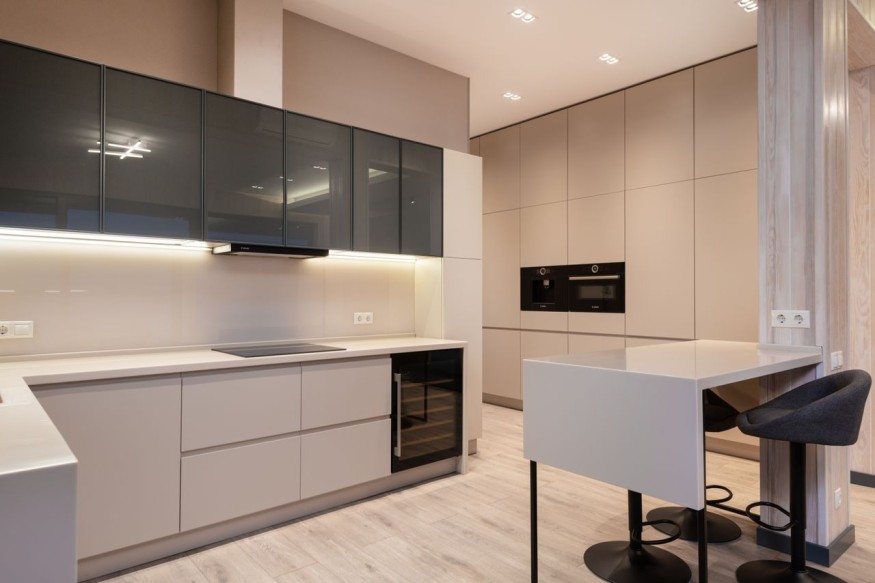
One of the most established ways to achieve the furniture-like look is through integrated appliances. Panel-ready refrigerators and dishwashers can be fitted with cabinetry fronts so that they visually disappear into the surrounding millwork. Industry coverage of 2026 kitchen design continues to emphasize integrated appliances as a way to create a seamless relationship between cabinetry and technology.
Instead of seeing a refrigerator as a separate object, the eye reads the entire wall as one continuous composition. This can be particularly effective in open-plan homes, where the kitchen is visible from the living room or dining area.
The Rise of Furniture-Style Forms
Concealment is not the only approach.
Some manufacturers are also giving appliances more deliberate exterior design. Sculptural profiles, raised bases, curved forms, textured surfaces, and distinctive finishes can make an appliance feel closer to a standalone furniture object.
A recent example comes from a limited-edition refrigerator collaboration highlighted by Future Festival. The appliance uses a highly reflective black finish, a Deco-inspired profile, and raised legs specifically intended to give it a furniture-like appearance.
The point is not necessarily to hide the appliance. It is to make its presence feel intentional.
Why the Kitchen Is Driving the Change
The kitchen has gradually become one of the most visible rooms in the home. In many contemporary layouts, it is no longer separated from family rooms, dining areas, or entertaining spaces. That means conventional appliances can become visually prominent even when the homeowner wants the room to feel residential.
Furniture-style cabinetry fits naturally into that shift. Rather than designing the kitchen around a collection of machines, homeowners can design the room as a whole and determine how each appliance participates in the composition.
Concealed Doesn't Have to Mean Completely Invisible
There is an important distinction between concealment and elimination. A refrigerator hidden behind cabinet panels can still be highly functional. A dishwasher can disappear behind a matching door. A coffee machine can occupy an appliance garage with pocket or lift-up doors.
Recent design guidance describes hidden appliance cabinetry as a key component of the so-called "invisible kitchen," where refrigerators, dishwashers, ovens, microwaves, and coffee machines are integrated behind architectural or cabinet finishes.
The objective is not to make the kitchen less useful. It is to make the visual environment feel less fragmented.
Range Hoods Are Getting the Furniture Treatment, Too
Range hoods present a slightly different challenge because they cannot always disappear completely. Instead, designers are increasingly treating them as architectural features.
House Beautiful's 2026 kitchen trend coverage points to decorative vent hoods with curves, mixed finishes, and custom treatments. Other designers quoted in the article describe integrated hoods that visually recede into the surrounding architecture.
That creates two possible directions: make the hood a deliberate focal point or make it visually quiet. Both approaches move away from the idea that ventilation equipment should simply look like industrial machinery mounted on a wall.
Even Laundry Appliances Are Moving in This Direction
The furniture-like approach is not limited to kitchens. Samsung was showcasing redesigned front-load washing machines at IFA 2026 that use a flatter, more uniform front intended to look less like traditional appliances. Reporting from September 2 noted that the new machines are being positioned as products that can blend more naturally into contemporary interiors.
That suggests the broader design conversation is moving beyond kitchens toward the entire home. As laundry rooms become more intentionally designed spaces—and as appliances increasingly sit within visible utility areas—the same pressure for cleaner, less industrial-looking forms can apply there as well.
Warm Materials Are Helping Appliances Blend In
Furniture-like appliances work best when they are considered alongside the materials surrounding them.
Warm woods, natural stone, textured surfaces, darker finishes, and more detailed cabinetry are increasingly appearing in contemporary kitchen design. Furniture-style islands and integrated appliances can then be combined to create a room that feels layered rather than purely utilitarian.
The result is not necessarily minimalist. In fact, a kitchen can have substantial material richness while still looking visually calm. The common thread is coordination.
The Goal Is a More Cohesive Home
The furniture-like appliance trend ultimately reflects a larger change in how homeowners think about utility.
An appliance no longer has to be visually dominant simply because it is technologically sophisticated. Conversely, it does not necessarily have to disappear completely. It can become part of the room's furniture language, whether through custom panels, integrated installation, softer forms, or decorative finishes.
That matters most in homes where the kitchen and living spaces overlap. When cabinetry, lighting, appliances, islands, and furniture are designed as parts of the same environment, the room can feel more cohesive without sacrificing the equipment that makes it functional.
The modern appliance, in other words, is being asked to do something beyond its original job. It still needs to cook, cool, clean, wash, or preserve, but increasingly, it is also expected to belong visually to the home around it.
Frequently Asked Questions
1. What are furniture-like appliances?
Furniture-like appliances are refrigerators, dishwashers, range hoods, and other household appliances designed to blend with surrounding cabinetry or feature finishes, proportions, and details that give them a more furniture-inspired appearance.
2. Why are furniture-like appliances becoming popular?
They help create a more cohesive look, particularly in open-plan homes where the kitchen is visible from living and dining areas. Integrated appliances can reduce the visual contrast between appliances and cabinetry.
3. What appliances can be made to look like furniture?
Refrigerators and dishwashers are commonly integrated behind cabinetry panels. Range hoods can also receive custom architectural treatments, while smaller appliances such as coffee machines can be concealed inside dedicated cabinetry.
4. Are furniture-like appliances more expensive?
They can be. Integrated appliances may require compatible cabinetry, custom panels, specialized installation, or additional millwork, which can increase the overall project cost compared with standard freestanding appliances.


From Craft Rooms to Music Studios: Why Dedicated Hobby Spaces Are Trending

Dr. Phil Lists Beverly Hills Mansion for $67.5 Million, More Than Double Its Purchase Price

From Bold Paint to Wood Paneling: Ceiling Ideas That Elevate Interiors

The Best Flooring Transitions for a Seamless Look Between Different Materials

How to Use Floating Furniture to Create Zones in an Open-Plan Home


