DIY Backyard Fort Ideas That Make Year-Round Backyard Play More Fun
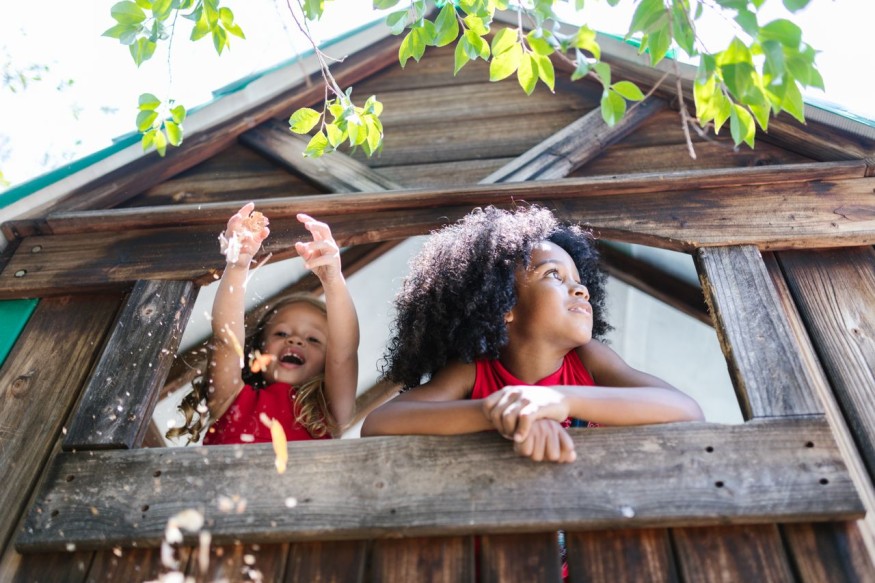
A backyard can be more than a place for a lawn and patio furniture. With the right setup, it can become an imaginative retreat where children can read, play pretend, build forts, or simply spend more time outdoors. Among the many outdoor fort ideas available, some are surprisingly simple to create, while others can become permanent features of the landscape.
A well-designed fort can also serve as the centerpiece of a kids outdoor play space. From rustic structures made with natural materials to wooden hideaways inspired by traditional playhouses, there are plenty of ways to create an inviting outdoor kids play area that remains useful across different seasons.
What Makes a Good Outdoor Fort for Kids?
A good outdoor fort should provide enough room for children to play comfortably while remaining appropriate for their ages. Location is equally important. A shaded section of the backyard can make the space more comfortable during warm weather, while a roof or enclosed walls can offer some protection from light rain and wind.
The design can also determine how long children remain interested in the space. A basic structure may become a clubhouse, reading nook, pretend campsite, or secret headquarters depending on how it is furnished and decorated.
For families considering permanent backyard fort ideas, durability, maintenance, visibility, and access should be considered alongside appearance.
8 Outdoor Fort Ideas for a More Playful Backyard
1. A Classic Wooden Tree Fort
A tree fort can create the feeling of a private hideaway without requiring a complicated design. A small elevated platform with sturdy railings, a roof, and an easy-to-use ladder can become a memorable backyard feature.
The structure should only be attached to a suitable tree by someone familiar with safe construction practices. A freestanding design can provide a similar look when trees are unsuitable.
2. A Simple DIY Backyard Fort
A DIY backyard fort can be created with basic outdoor materials such as sturdy poles, weather-resistant fabric, or properly prepared lumber. A simple frame can be transformed with curtains, a small table, cushions, or storage baskets.
Temporary designs are particularly useful for families who want to change the play area as children's interests evolve.
3. A Tarp and Rope Hideaway
A tarp fort is one of the simplest backyard play ideas for families seeking a temporary option. A properly secured tarp can create a sheltered nook for imaginative games, especially when positioned over a suitable frame.
The materials should be checked regularly for tears, loose fasteners, or other potential hazards.
4. A Fort and Playhouse Combination
A small wooden playhouse can be expanded into a larger adventure space with a climbing wall, slide, porch, or covered platform. This approach works particularly well for homeowners looking for backyard playhouse ideas that offer more than one type of activity.
The structure can include an enclosed area for quiet play and an open section for more active games.
5. A Natural Branch Fort
Branches, logs, and other natural elements can give a fort a woodland-inspired appearance. Children can use the space for imaginative exploration while learning about the natural environment around them.
Only sturdy, appropriate materials should be used, and unstable branches should never form part of the structure.
6. A Fort With a Rope Bridge
For larger backyards, a fort connected to another platform by an age-appropriate rope bridge can create an adventure-course feel. Additional features such as climbing walls or stepping elements can make the space more interactive.
These additions require careful construction and regular inspection because moving and elevated components introduce additional safety considerations.
7. An Outdoor Reading Fort
Not every fort needs to encourage running and climbing. A sheltered corner with a bench, outdoor cushions, books, and soft lighting can create a peaceful retreat.
This type of fort can be especially useful in a kids outdoor play space designed to accommodate both energetic activities and quiet downtime.
8. A Seasonal Adventure Fort
A fort can change its purpose throughout the year. In warmer months, it might serve as a shaded clubhouse. During fall, it can become an explorer's station for collecting leaves and observing nature. In cooler weather, it can become a sheltered space for games when conditions allow.
Flexible designs can make year-round backyard play more appealing without requiring an entirely different structure for each season.
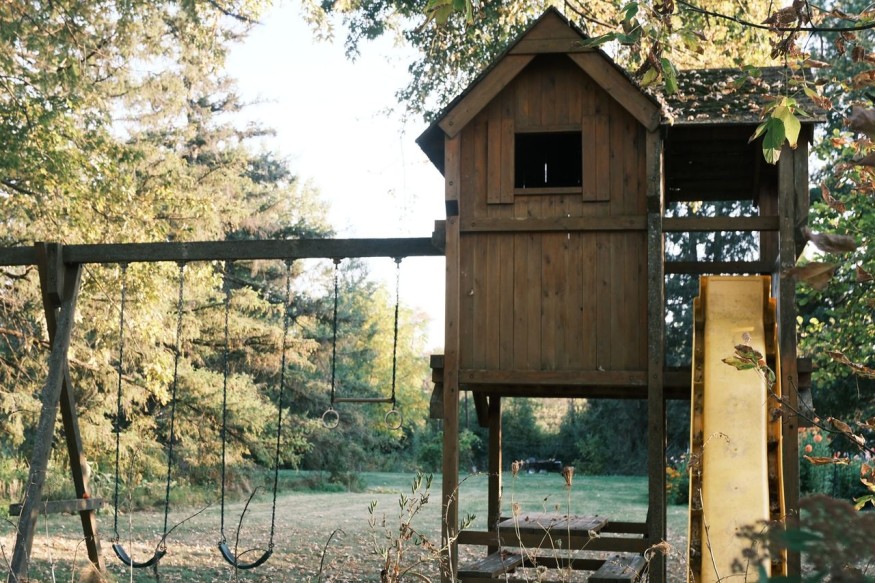
How Can a Backyard Fort Be More Fun?
A fort becomes more engaging when children can give it their own identity. A simple structure can become a pirate ship, camping cabin, secret library, restaurant, or wildlife observation station.
Features That Can Transform a Basic Fort
- A chalkboard for drawings, signs, and pretend menus
- Weather-resistant cushions for comfortable seating
- A small shelf for books, games, or outdoor toys
- Pretend-play accessories such as binoculars or a steering wheel
- A dedicated pathway leading from the house to the fort
How Can a Fort Work as Year-Round Backyard Play?
A permanent fort should be designed with the local climate and surrounding landscape in mind. A roof can provide shade and shelter, while ventilation helps prevent the interior from becoming overly warm. Weather-resistant construction materials can also reduce maintenance.
Landscaping can make the fort feel integrated with the backyard rather than isolated from it. Low-maintenance plants, stepping stones, a small garden, or a designated play surface can help connect the fort with the rest of the outdoor kids play area.
The space can also evolve as children grow. Younger children may prefer pretend kitchens and reading corners, while older children might enjoy climbing features, games, or a clubhouse setup.
What Should Be Considered Before Building an Outdoor Fort?
Safety and construction quality should take priority over elaborate features. The structure should be stable, free from sharp edges and exposed hardware, and appropriate for the intended age group. Elevated structures need secure barriers and safe access, while climbing elements require suitable spacing and strong attachment points.
Regular inspections are also important. Wood can deteriorate, hardware can loosen, and outdoor fabrics can become damaged over time. Keeping the fort clean and checking it periodically can help maintain a safer and more enjoyable play environment.
Outdoor Fort Ideas That Can Grow With the Backyard
The most useful outdoor fort ideas are not necessarily the biggest or most elaborate. A thoughtfully positioned structure can give children a dedicated place for imagination, movement, and quiet play while complementing the surrounding landscape.
Whether a family chooses a simple DIY backyard fort, a natural hideaway, or one of several backyard playhouse ideas, flexibility can make the investment more worthwhile. A fort that changes with the seasons and children's interests can remain an engaging part of the home for years.
Frequently Asked Questions
1. Are outdoor forts good for kids?
Outdoor forts can encourage imaginative play, exploration, social interaction, and time spent outside. Their suitability depends on the structure's design, materials, location, and age appropriateness.
2. What is the easiest DIY backyard fort to build?
A simple tarp-and-frame fort is among the easiest temporary options. A basic wooden structure can provide a more permanent alternative but requires greater attention to construction and weather resistance.
3. How can an outdoor fort be used year-round?
A roof, shade, weather-resistant materials, and appropriate ventilation can make a fort more adaptable to changing conditions. Seasonal decorations and activities can also give the space a different purpose throughout the year.


Gravel Gardens Explained: How to Design an Attractive Lower-Maintenance Landscape

Kohler and Aerin Lauder Introduce Delft-Inspired Floral Bathroom Fixtures

The Architectural Details That Make Older Homes So Distinctive

Window Seats Are Turning Awkward Corners Into Favorite Spots at Home

How to Make Your Guest Room Feel More Welcoming Without Spending Too Much


