No Yard? These Small-Space Succulent Garden Ideas Make the Most of Every Inch
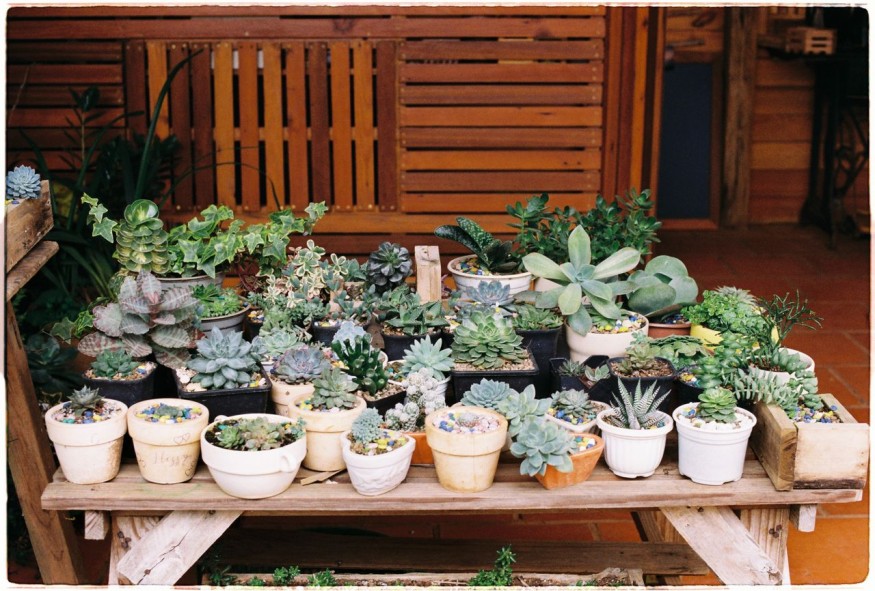
A succulent garden does not need a traditional garden bed. In fact, succulents are particularly well suited to container gardening, which makes them a practical choice for balconies, patios, windowsills and other compact spaces.
The first step is not choosing the prettiest pot or the most unusual plant. It is assessing the conditions in the space.
Succulents generally need plenty of light, and many perform best in a bright, sunny location. The University of Minnesota Extension recommends bright, sunny windows for indoor succulents and emphasizes that insufficient light can be supplemented with artificial lighting.
Outdoor conditions require a little more attention. A balcony that receives several hours of direct sunlight may support a different selection than a shaded courtyard.
Once the available light is understood, the garden can be designed around it.
Use Containers to Multiply Your Options
Containers are one of the easiest ways to create a garden when ground space is limited. A narrow balcony, small patio or even a windowsill can become a miniature planting area with the right containers.
The most important feature is drainage.
Succulents store water in their leaves and stems, so they generally do not need constantly wet soil. The University of Minnesota Extension recommends containers with drainage holes because excess water can cause rot and decay.
The Royal Horticultural Society similarly emphasizes that containers need drainage holes and notes that shallow containers can work well for small drought-tolerant plants.
That opens up plenty of design possibilities. A long, narrow planter can fit along a balcony railing. A small collection of individual pots can occupy a windowsill. A shallow bowl can become a miniature desert-style arrangement.
For an especially tiny space, consider using a few containers at different heights rather than spreading plants across a larger footprint.
Think Vertically Instead of Horizontally
When floor space is limited, look upward. A narrow shelving unit can turn a small wall into a tiered plant display. Wall-mounted planters can keep pots off the floor, while hanging containers can use overhead space.
The trick is to avoid putting plants into an arrangement where they block one another's light. Shelving also makes it easier to separate plants according to their individual needs. A sun-loving succulent can occupy the brightest level, while a plant that prefers somewhat less intense conditions can be positioned accordingly.
Even ordinary household objects can become part of the garden. The RHS has highlighted small-space DIY planters using items such as tin cans, with drainage holes added before planting small succulents.
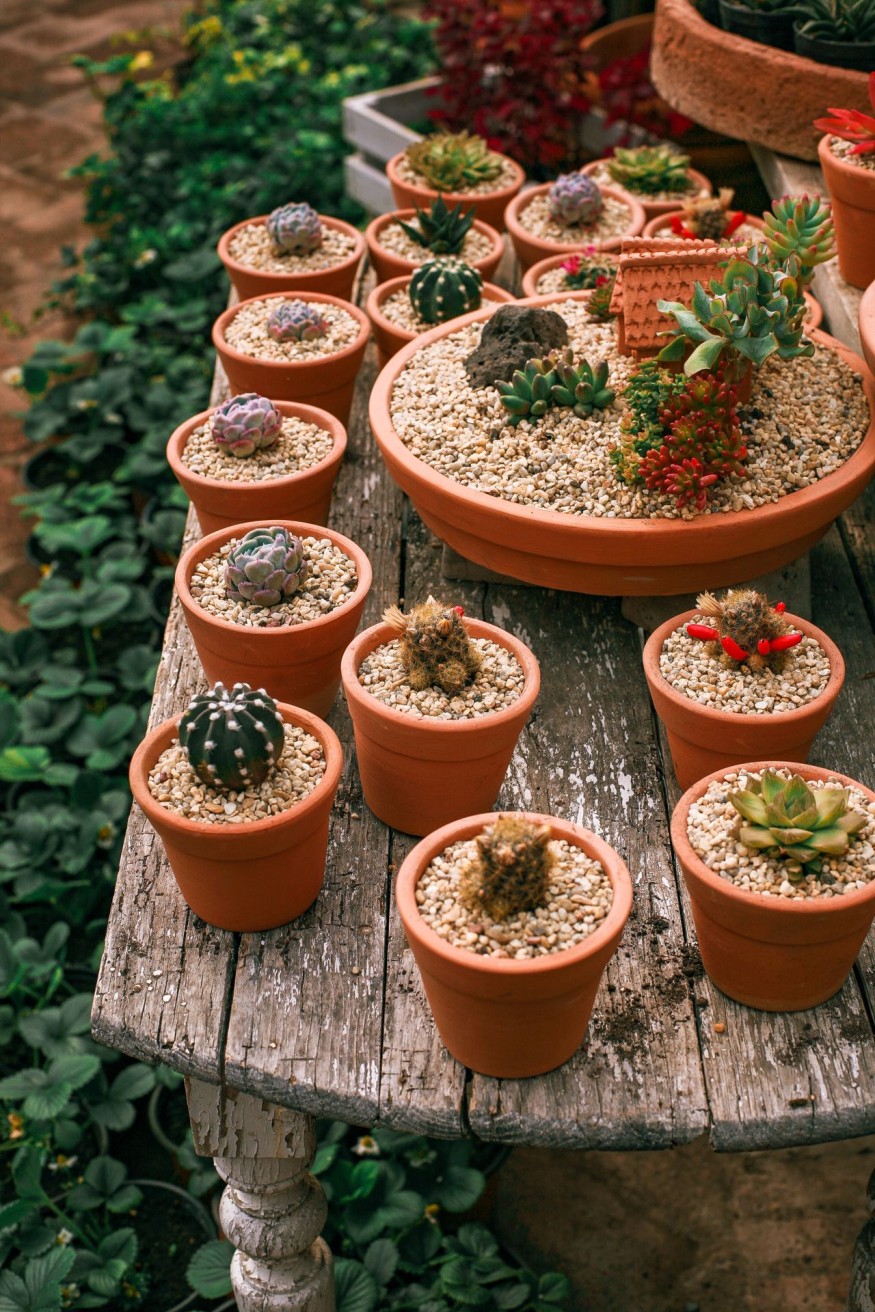
For a polished look, repeat one material or color throughout the arrangement. A group of terracotta pots, for example, can look more cohesive than a collection of unrelated containers.
Choose Plants and Soil With Care
A beautiful succulent garden depends on more than arrangement. The growing conditions need to be compatible with the plants.
Avoid combining succulents simply because they look good together. Plants placed in the same container should have similar requirements for light and watering. The University of Minnesota Extension specifically advises choosing grouped succulents with compatible growth rates and water needs.
Soil is equally important. The RHS recommends very free-draining, gritty compost for most cacti and succulents because waterlogged conditions can damage the roots.
For a small container garden, a specialist cactus or succulent mix is an easy starting point. Always check the drainage holes before planting, and avoid letting containers sit in standing water.
Watering should also be deliberate rather than automatic. Allow the soil to dry between waterings, while adjusting for the temperature, light level and specific needs of the plants.
The finished garden can then be styled almost like an outdoor vignette. Combine different forms, such as upright, rounded and trailing succulents, and vary their heights to create depth without requiring additional floor space.
The best small-space succulent gardens are not necessarily the ones with the most plants. A handful of healthy specimens, arranged thoughtfully in well-draining containers and positioned where they receive suitable light, can have far more impact than a crowded collection.
Frequently Asked Questions
1. Can succulents grow in very small spaces?
Yes. Succulents can thrive in containers on balconies, patios, windowsills and other compact areas as long as their light, drainage and watering requirements are met.
2. What type of container is best for succulents?
Choose a container with drainage holes. Terracotta, ceramic and suitable plastic containers can all work, provided excess water can escape.
3. Can different succulents be planted together?
Yes, but they should have similar light, water and growth requirements. Combining plants with very different needs can make maintenance more difficult.
4. How do you keep a small succulent garden from looking cluttered?
Use containers of similar materials or colors, vary plant heights and leave enough visual space between groupings. Vertical shelving can also help organize plants without consuming additional floor space.


Is Your Wall Paint Looking Dull? Here's Why It Happens and How to Bring Your Walls Back to Life

Inside Madrid's Brand-New F1 Circuit: The Designer Explains the Dramatic Ideas Behind the Madring

MAD's Lucas Museum Is Set to Open in Los Angeles on September 22

Paris Design Week 2026 Is Underway and Is Bringing New Energy to the Design Scene

The Basement Is Getting a Design Makeover, and It's No Longer Just for Storage


