Antique Buying Tips: 6 Expert Ways to Tell If an Antique Is Actually Valuable
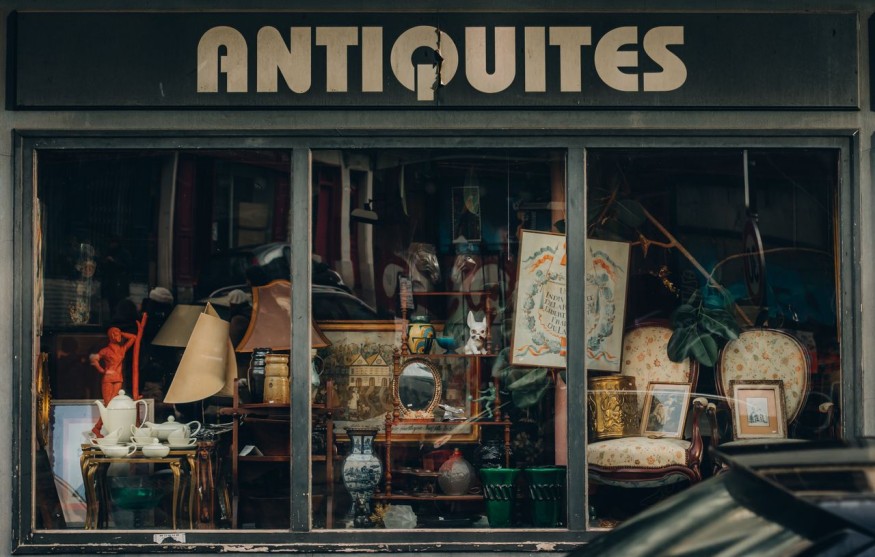
An antique can bring character, history, and craftsmanship into a home, but not every old-looking piece is a valuable find. A beautiful cabinet, mirror, vase, or piece of furniture may have an impressive story behind it, or it may simply be an inexpensive reproduction designed to look old.
For anyone interested in antique collecting, knowing how to evaluate an item before buying is essential. Age is only one factor in determining antique value. The maker, condition, rarity, materials, provenance, and current demand can all influence what a piece is actually worth.
Learning how to tell if an antique is valuable also makes it easier to recognize questionable claims and avoid paying more than an item deserves. These expert-approved checks can help buyers make more informed decisions before bringing an antique home.
1. Check the Maker's Mark, Signature, or Hallmark
One of the first places to look when evaluating an antique is for a maker's mark, signature, stamp, or hallmark. These identifying details can provide clues about who made the piece, where it originated, and when it may have been produced.
Marks are commonly found on the underside or back of furniture, inside drawers, on the base of ceramics, and on silver or jewelry. Once a mark is found, it should be researched against reliable reference materials and documented examples.
However, a mark alone does not prove authenticity. Reproductions can carry copied or misleading markings. The mark should make sense alongside the item's construction, materials, style, and claimed age.
2. Examine How the Piece Was Made
Construction can reveal details that a surface appearance cannot. When trying to figure out how to spot fake antiques, buyers should examine joinery, hardware, wood, glass, ceramics, and other materials closely.
An antique that is genuinely old may show evidence of traditional manufacturing techniques and natural wear. Furniture, for example, can reveal its age through joinery, fasteners, tool marks, and changes in construction methods over time.
Artificial distressing is another reason to look closely. A reproduction may have scratches, dents, discoloration, or worn edges that were deliberately added to create an aged appearance. Suspiciously uniform distressing can be a warning sign.
3. Investigate the Item's Provenance
Provenance refers to the documented history of an object, including previous ownership or information about its origin. It can be particularly useful when an item is being presented as rare, historically important, or connected to a notable maker.
A seller may have receipts, old photographs, auction records, estate documentation, or other information supporting an item's history. These records can strengthen the case for a particular origin, although the absence of paperwork does not automatically mean an antique is inauthentic.
A vague story should not be treated as proof. Claims that a piece "has been in the family for generations" may be interesting, but buyers should still examine the object itself and verify whatever details can reasonably be confirmed.
4. Compare the Price With Comparable Sales
The asking price is not necessarily the same as an item's market value. One of the most useful antique buying tips is to research comparable pieces before making an expensive purchase.
Auction results, established dealers, specialist references, and other documented sales can provide useful points of comparison. The closest comparison should match the item in several important ways, including maker, age, condition, rarity, size, and provenance.
A seller's price may be higher because of presentation, location, or personal expectations. That does not necessarily mean the item is overpriced, but it does mean buyers should understand the reasoning behind the figure.
Research is also one of the simplest ways to learn how to avoid overpaying for antiques. Taking time to compare prices can prevent an emotional purchase from becoming an expensive mistake.
5. Inspect Condition, Repairs, and Alterations
Condition can have a significant effect on antique value. Two seemingly identical pieces can have very different values if one retains its original materials and the other has been heavily repaired or altered.
Look carefully at surfaces, hardware, joints, drawers, backs, and less visible areas. Refinished wood, replaced handles, repaired cracks, repainted surfaces, and missing components may affect collectibility and market value.
Restoration does not automatically make an antique undesirable. Some well-executed restoration can preserve an important object for future generations. The important distinction is whether changes have been disclosed and whether they compromise the item's originality.
A buyer who notices that a piece looks unusually new in some areas should ask what work has been performed and when.
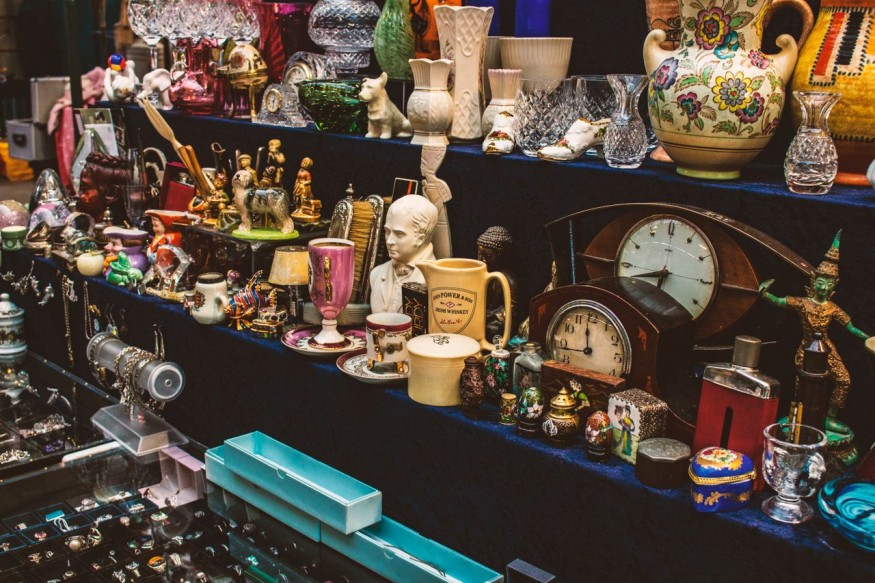
6. Consider an Independent Antique Appraisal
When an item appears particularly valuable or difficult to authenticate, a professional antique appraisal can provide another level of confidence. An experienced appraiser can evaluate factors such as authenticity, condition, provenance, rarity, and comparable market information.
The appraiser's specialty matters. Someone who primarily handles paintings may not be the right choice for evaluating an antique American cabinet or European porcelain collection.
Antique authentication and appraisal should also be viewed as related but separate processes. Authentication focuses on determining whether an object is genuine and what it is. An appraisal addresses its value for a particular purpose.
A professional evaluation can be especially worthwhile when a seller is asking a substantial amount or making an unusual claim about an item's history.
Red Flags to Watch Before Buying an Antique
- The seller refuses to provide detailed photographs or answer basic questions.
- The item's history cannot be reasonably verified.
- Construction or materials appear inconsistent with the claimed period.
- The price is presented as a rare bargain with pressure to buy immediately.
- Repairs, replacements, or alterations are not clearly disclosed.
How to Tell If an Antique Is Valuable Before Bringing It Home
Determining whether an antique deserves its price requires more than judging whether it looks old or attractive. Maker's marks, construction, provenance, condition, comparable sales, and professional expertise can each provide valuable clues.
For collectors and homeowners alike, the strongest approach is to slow down before purchasing. Researching an object, asking specific questions, and seeking independent advice when necessary can make antique collecting more rewarding while reducing the chances of paying too much for a reproduction or damaged piece.
Frequently Asked Questions
1. How can someone tell if an antique is valuable?
An item's maker, rarity, age, condition, provenance, craftsmanship, and market demand can all influence its value. Comparing similar documented sales can provide a useful starting point.
2. What are the easiest ways to spot fake antiques?
Look for construction methods, materials, hardware, markings, and wear patterns that do not match the item's claimed age. Artificial distressing and inconsistent maker's marks can also warrant closer examination.
3. Is an antique appraisal worth getting?
A professional appraisal can be worthwhile when an item appears rare, expensive, historically significant, or difficult to authenticate. The appraiser should have relevant expertise in the specific type of object.
4. How can buyers avoid overpaying for antiques?
Research comparable sales, inspect condition carefully, verify claims about provenance, and avoid making rushed decisions based solely on a seller's description or an item's apparent age.


Minwax's 2027 Color of the Year Is Pickled Oak, a Fresh Take on Natural Wood

Small-Space Design: Why the 'Boneless' Sofa Is Worth Considering

How to Bring Autumn Into Every Room With These 12 Cozy Decorating Ideas

Dinettes Are the Small-Kitchen Seating Solution That Makes Every Inch Count

Move Over Beige: Farrow & Ball Says Purple Is About to Take Over Home Design


