Renovating a Bathroom? Designers Say to Fix This Before Anything Else

A bathroom renovation often begins with the most visible details. Homeowners start choosing tile, comparing vanities, browsing fixtures or saving inspiration for a new shower. But designers and renovation professionals generally recommend addressing something less glamorous before making those decisions: the bathroom's underlying plumbing and water-management issues.
Before installing beautiful finishes, it is important to establish that the room is fundamentally sound. Leaking pipes, inadequate drainage, outdated plumbing, poor ventilation and water-damaged materials can all undermine an otherwise successful renovation.
Fixing these issues first may not produce the most immediately Instagram-worthy result, but it can prevent homeowners from having to remove new finishes later. A bathroom renovation is an opportunity to improve what is behind the walls and beneath the floor, not simply what is visible.
Start With What Is Behind the Walls
A bathroom's visible surfaces can hide problems that are much more expensive to address once a renovation is complete.
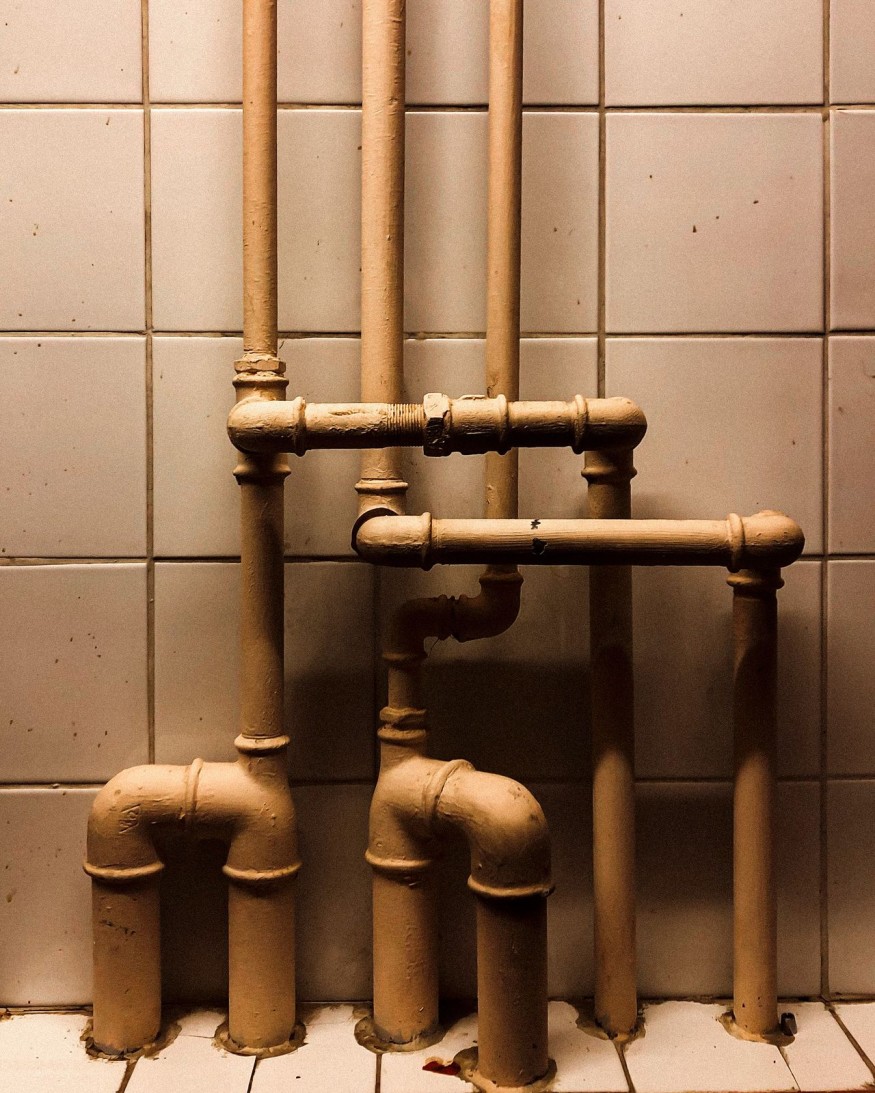
Before finalizing the design, homeowners should determine whether the existing plumbing is in good condition and whether there are signs of leaks or previous water damage. This can include checking around toilets, sinks, tubs and showers for discoloration, dampness or deterioration.
Older bathrooms may also contain plumbing systems that no longer meet current requirements or are nearing the end of their useful life. If walls or flooring are already being opened during a renovation, addressing accessible plumbing at that stage can be more practical than leaving questionable components untouched.
The exact work required depends on the property's age, existing plumbing system and local building requirements. A qualified plumber or contractor can identify problems that may not be apparent during a visual inspection.
Fix Water Management Before Choosing Finishes
Water is one of the biggest sources of potential damage in a bathroom, so water management is a foundational part of the renovation.
A shower can look beautiful on the surface but still have problems behind the tile if the waterproofing system isn't properly installed. The same applies to floors and areas surrounding bathtubs.
Proper waterproofing helps prevent water from reaching building materials not designed to stay wet.
Drainage is equally important. Water should flow efficiently toward the drain rather than pooling around fixtures or along the floor.
These elements matter most because decorative finishes can conceal problems once construction is finished. A homeowner may not discover a waterproofing or drainage issue until moisture has already caused significant damage.
Check the Ventilation Before Remodeling
Bathroom ventilation is another foundational issue to address early. Bathrooms naturally produce significant amounts of moisture from showers and baths. Without adequate ventilation, humidity can remain trapped and contribute to condensation, peeling finishes, and mold growth.
An appropriately sized exhaust fan can help remove moisture from the room, but the system must also vent properly.
If an existing bathroom has persistent condensation, musty odors, or visible signs of moisture damage, investigate ventilation before completing cosmetic improvements.
A new bathroom can have expensive tile and fixtures, but inadequate ventilation can undermine those finishes over time.
7 Things to Check Before Installing New Bathroom Finishes
- Plumbing: Check supply lines, drains and connections for leaks, corrosion or other problems.
- Waterproofing: Confirm wet areas have an appropriate waterproofing system before installing tile.
- Drainage: Make sure shower and floor drains are positioned correctly and that water flows away efficiently.
- Ventilation: Evaluate the exhaust fan and confirm it properly removes moisture from the room.
- Subfloor: Look for signs of water damage, softness, or deterioration before installing new flooring.
- Electrical systems: Have outlets, lighting, and wiring evaluated where necessary, particularly in areas exposed to moisture.
- Building requirements: Confirm that the renovation complies with applicable local codes and permit requirements.
The Floor Deserves More Attention Than It Gets
A bathroom floor does more than provide a surface for tile. It forms part of the room's overall water-management system and can conceal problems beneath the finished flooring. If a bathroom has experienced leaks, the subfloor may have been affected. Wood-based materials exposed to prolonged moisture can deteriorate, creating an unstable foundation for new flooring.
Installing new tile over a damaged substrate can therefore create problems that become apparent only after the renovation is finished. Before selecting floor tile, assess the condition and level of the underlying surface. Complete any necessary repairs before starting the decorative installation.
Plan the Layout Before Buying Fixtures
Once you've assessed the bathroom's underlying condition, the next major consideration should be the layout. Moving a toilet, shower or sink can involve relocating plumbing, which can substantially affect the cost and complexity of a renovation.
That is why homeowners should determine the functional layout before purchasing fixtures. Consider how doors open, how much clearance is available around the toilet and vanity, where plumbing lines are located and how the shower will be accessed.
A layout that works on paper may also need to accommodate ventilation ducts, electrical components and structural elements. Keeping fixtures in their existing locations can sometimes reduce construction complexity, although the appropriate approach depends on the goals and condition of the individual bathroom.
A Successful Bathroom Renovation Starts Beneath the Surface
A bathroom renovation may ultimately be judged by its tile, lighting and fixtures, but the elements that cannot be seen are just as important.
Checking plumbing, waterproofing, drainage, ventilation and the condition of the subfloor before installing new finishes can help homeowners avoid turning a cosmetic renovation into a much larger repair project.
Addressing these fundamentals first also creates a stronger foundation for every design decision that follows. Once the room is structurally and functionally sound, homeowners can focus on the more enjoyable part of the renovation: creating a bathroom that looks as good as it performs.
Frequently Asked Questions
1. What should be fixed first during a bathroom renovation?
The existing plumbing, water management, waterproofing and other underlying problems should generally be assessed before cosmetic finishes are installed. The exact priorities depend on the condition of the bathroom.
2. Should plumbing be replaced during a bathroom remodel?
Not necessarily. If existing plumbing is in good condition and meets applicable requirements, replacement may not be necessary. A qualified professional can assess whether pipes, drains and connections need repair or replacement.
3. Why is bathroom waterproofing important?
Waterproofing helps protect walls, floors and other building materials from moisture in wet areas. Problems with waterproofing can allow water to reach areas behind finished surfaces.


Dunn-Edwards' 2027 Color of the Year Is a Rich Brown With a Subtle Plum Undertone

6 Timeless Home Décor Choices That Will Still Look Good 10 Years From Now

Brise-Soleil Is Back: The Architectural Sun-Shading Feature Designers Are Using Again

How Breezeways Are Transforming Modern Homes With Air, Light and Outdoor Connection

Tyler Perry's 22.5-Acre Beverly Hills Estate Hits the Market for $57 Million


