Vacation Rental Decor & Airbnb Interior Design: How to Design for Airbnb That Attracts Guests
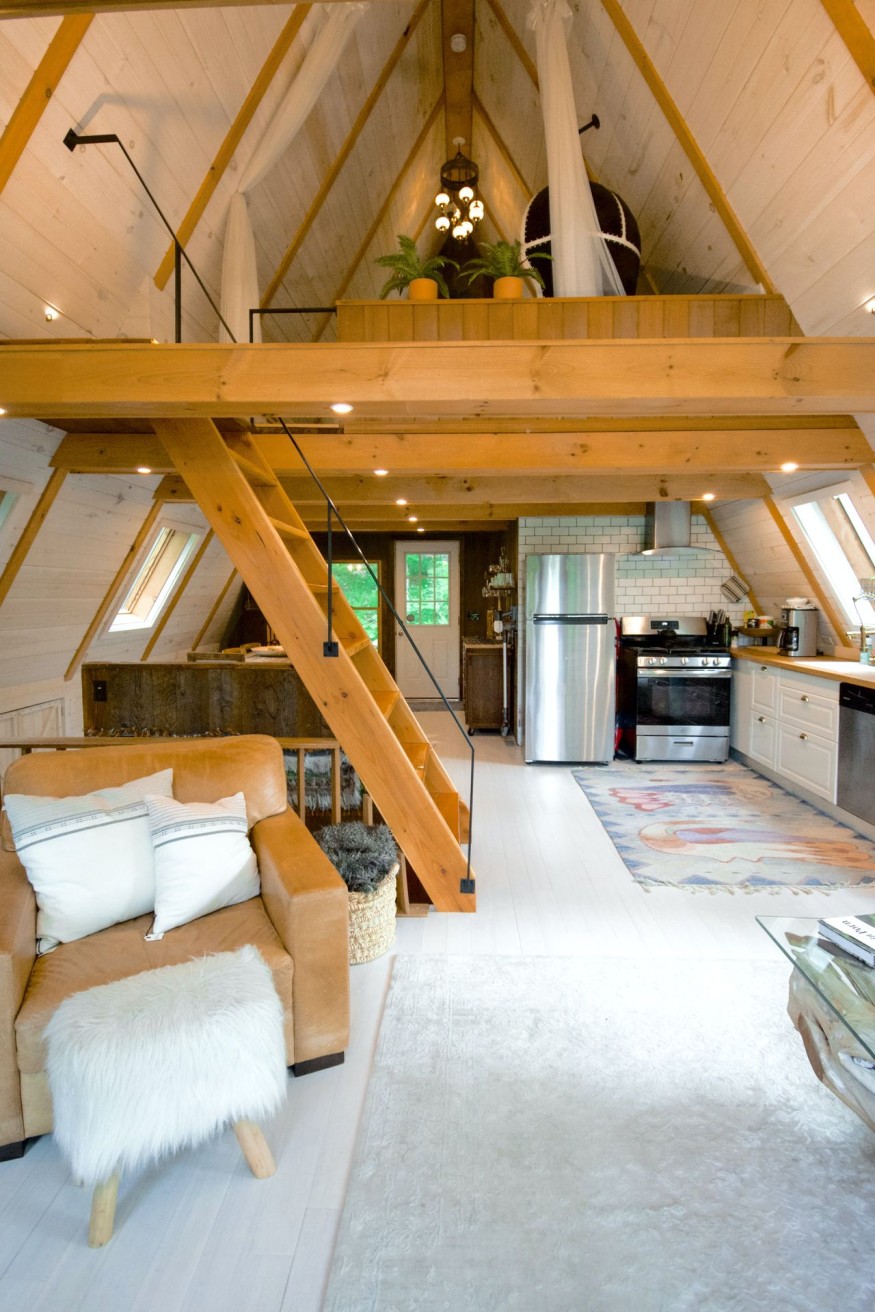
Strong Airbnb interior design has become a defining factor in how quickly a listing attracts bookings and how consistently it performs in competitive markets. Guests often make decisions based on visuals before reading descriptions, which places significant importance on how a space is styled and presented. Beyond aesthetics, thoughtful design supports comfort, usability, and durability, all of which influence guest satisfaction and reviews. Effective vacation rental decor focuses on creating a welcoming atmosphere that feels intentional, functional, and visually cohesive while remaining easy to maintain between stays.
What Is Airbnb Interior Design?
Airbnb interior design refers to the strategic styling of short-term rental properties to appeal to guests while balancing practicality and durability. Unlike traditional residential design, it prioritizes repeat guest turnover, easy cleaning, and universal appeal.
Key characteristics include:
- Neutral yet inviting color palettes that photograph well
- Furniture that is durable and functional under frequent use
- Decor choices that feel curated but not overly personal
- Layouts that support comfort, storage, and movement
This approach ensures that the space remains visually appealing while standing up to the demands of short-term occupancy.
Read more: Al Fresco Dining Style Made Easy with Chic Garden Party Ideas and Stylish Outdoor Accessories
Core Principles of Short-Term Rental Design
Successful short-term rental design tips focus on blending guest comfort with operational efficiency. Every design choice should support both visual appeal and functionality.
- Durability first: Materials like performance fabrics, sealed wood, and stain-resistant surfaces reduce maintenance issues
- Consistency in style: A unified theme across rooms creates a stronger guest experience
- Photo readiness: Spaces are arranged to look appealing in listing images from multiple angles
- Minimal clutter: Clean layouts help guests feel relaxed and avoid visual overload
- Function-driven decor: Decorative elements often double as storage or usability features
These principles ensure the property performs well both in person and online.
How to Design for Airbnb: Step-by-Step Approach
Understanding how to design for Airbnb involves a structured process that begins with guest profiling and ends with staging.
First, property owners define the target audience. A family-friendly unit requires different layouts compared to a romantic studio or a remote-work-friendly apartment. Once the audience is identified, a design direction is chosen, such as modern minimalism, coastal calm, or rustic comfort.
Key steps include:
- Planning furniture placement to maximize open space and movement
- Selecting multi-functional furniture such as sofa beds or storage ottomans
- Choosing lighting that supports both ambiance and photography needs
- Incorporating neutral base tones with controlled accent colors
- Ensuring adequate storage for guest belongings
Each decision supports usability while maintaining a cohesive visual identity.
Vacation Rental Decor Strategies That Improve Guest Appeal
Effective vacation rental decor balances personality with broad guest appeal. The goal is to create a memorable environment without overwhelming the space.
Common strategies include:
- Adding subtle local elements such as artwork, woven textures, or region-inspired accents
- Creating focal points like a styled reading nook or a well-arranged dining table
- Using layered textiles such as rugs, cushions, and throws to add warmth
- Maintaining open surfaces to highlight cleanliness and organization
- Incorporating plants or natural materials to soften interiors
These design choices help a property stand out while still feeling comfortable and approachable.
Room-by-Room Airbnb Design Approach
Each area of a short-term rental plays a specific role in shaping guest experience.
Living areas prioritize comfort and social interaction. Seating should be flexible, with clear sightlines to entertainment features and natural light sources.
Bedrooms focus on rest and relaxation:
- High-quality bedding with neutral tones
- Blackout curtains to improve sleep quality
- Simple decor to avoid visual distraction
Kitchens and dining areas should emphasize usability. Fully stocked essentials, clear counters, and organized storage improve guest convenience and satisfaction.
Bathrooms benefit from a spa-inspired approach:
- Clean, minimal styling
- Quality towels and fixtures
- Simple, functional storage solutions
Common Short-Term Rental Design Mistakes
Many properties underperform due to avoidable design errors rather than location or pricing issues.
- Overcrowding rooms with furniture, limiting movement and comfort
- Choosing fragile decor that does not withstand frequent use
- Using inconsistent styles across rooms, which disrupts flow
- Ignoring lighting quality, resulting in flat or unappealing photos
- Over-personalizing the space, which reduces guest relatability
Avoiding these issues helps maintain a professional and guest-friendly environment.
Current Trends in Airbnb Interior Design
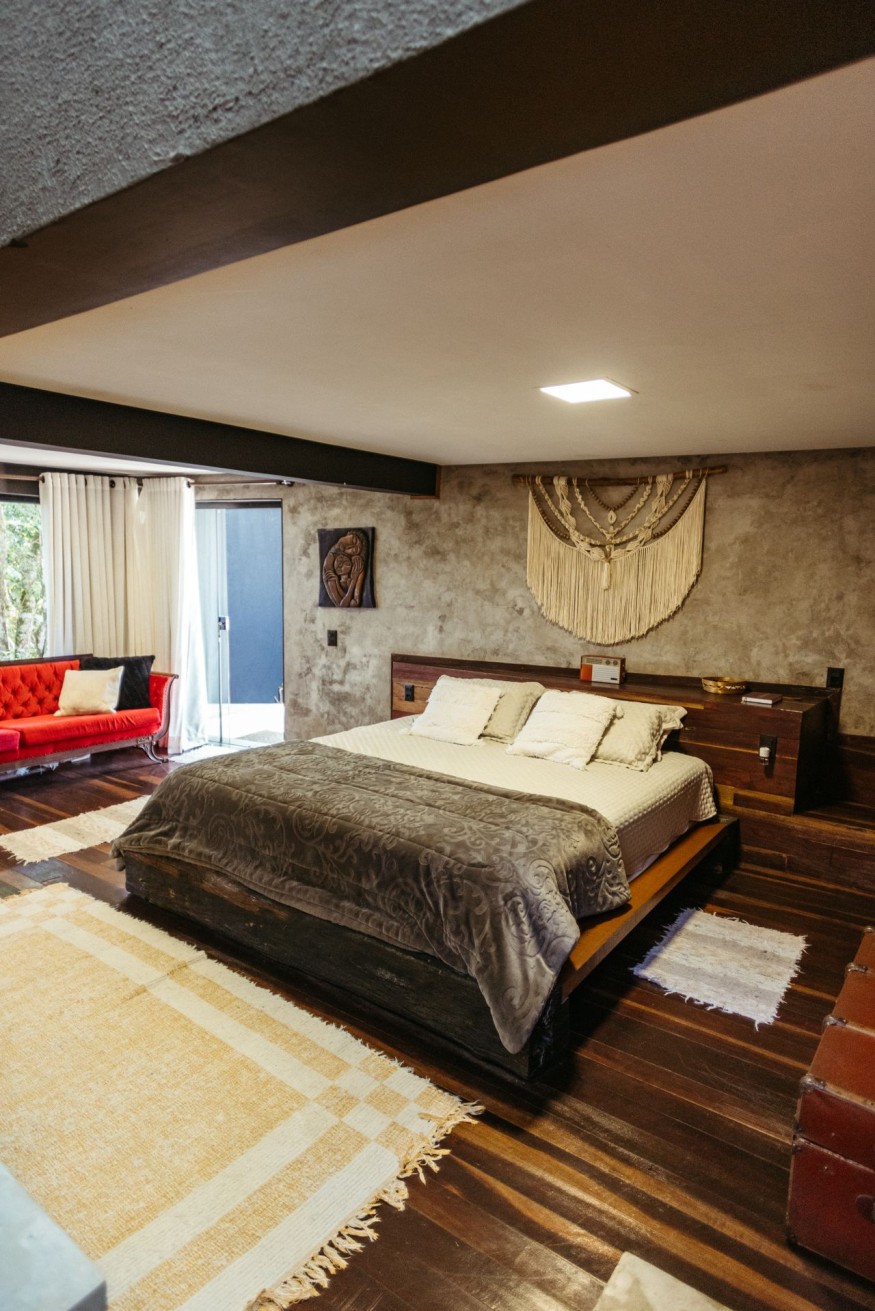
Modern Airbnb interior design continues to evolve with guest expectations. One growing direction is the use of natural materials such as wood, stone, and linen to create calming environments. Another trend is the integration of smart home features like keyless entry, automated lighting, and temperature control.
Designers are also embracing neutral luxury aesthetics, where simplicity and quality take priority over decorative excess. Eco-conscious styling is becoming more common, with reusable materials and energy-efficient fixtures gaining popularity among property owners aiming for long-term sustainability.
Designing Spaces That Perform Well Over Time
Strong short-term rental properties are built on design decisions that remain effective across seasons and guest types. Consistency, durability, and guest-centered planning all contribute to long-term performance. A well-executed design does more than improve appearance; it supports smoother operations, fewer maintenance issues, and stronger guest experiences.
Properties that apply short-term rental design tips thoughtfully often maintain their appeal longer, requiring only minor updates rather than frequent redesigns. This makes design not just an aesthetic choice but a practical investment in property performance.
SEO-Friendly Wrap Up: Building High-Performing Airbnb Interiors
A well-executed approach to how to design for Airbnb blends functionality with visual storytelling. Properties that prioritize guest comfort, durable materials, and cohesive styling tend to create stronger impressions and encourage repeat bookings. Thoughtful vacation rental decor and strategic Airbnb interior design choices work together to shape a space that feels intentional, welcoming, and easy to maintain. With the right foundation, even modest properties can achieve standout appeal in competitive short-term rental markets.
Frequently Asked Questions
1. What makes Airbnb interior design different from regular home design?
Airbnb interior design focuses on durability, guest comfort, and visual appeal for photos. Unlike residential design, it avoids highly personal elements and prioritizes easy maintenance and broad guest appeal.
2. What are the most important short-term rental design tips?
Key tips include using durable furniture, maintaining neutral color schemes, ensuring strong lighting, maximizing storage, and keeping decor minimal but intentional for a clean and welcoming feel.
3. How can vacation rental decor improve bookings?
Well-planned vacation rental decor enhances listing photos, creates emotional appeal, and helps guests feel comfortable, which can improve reviews and increase booking interest over time.
4. How do you design for Airbnb on a budget?
Focus on essential furniture first, choose multi-functional pieces, use affordable decor accents, and prioritize lighting and layout improvements. Small changes can significantly improve overall guest perception.


Bold Patterns, Warm Colors, and Festive Entrances Are Shaping This Season's Home Trends

Malibu's Celebrity Real Estate Market Faces New Challenges From Coastal Erosion

A Room-by-Room Guide to Better Home Lighting With the Right Lamps

Year-Round Garden Design: How to Create a Landscape With Lasting Interest

Built-In Wall Niche Ideas That Make Awkward Recesses Look Intentional


