Floor to Ceiling Windows, No Walls: Inside the Glass House Design Movement Changing Modern Homes
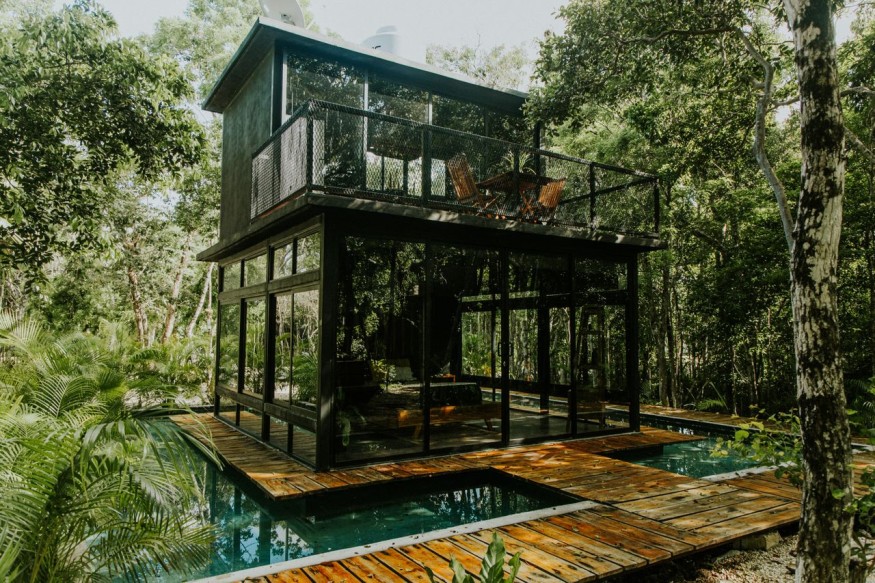
There is something quietly revolutionary about a home that hides nothing. No heavy walls blocking the view, no dark corridors cutting off the light, just glass, sky, and the world outside folding seamlessly into everyday living. Glass house design has moved well beyond the realm of architectural novelty. Today, it represents one of the most compelling directions in residential design, reshaping the way people think about space, privacy, and their relationship with the natural environment.
From the iconic mid-century masterpieces of Mies van der Rohe to the bespoke contemporary residences being built across the globe, modern transparent architecture continues to evolve. And for homeowners and design enthusiasts eager to understand what this movement truly offers, there is far more to explore than meets the eye.
The Origins of Glass House Design
Glass in architecture is not a new idea. Wealthy Romans used glass panes in windows as early as the first century A.D., a luxury reserved for the elite. But it was the 20th century that turned glass from an accent material into a defining architectural statement.
Two structures in particular established the blueprint for what glass house design could be. Ludwig Mies van der Rohe's Farnsworth House, completed in 1951 near Chicago, featured continuous glass walls that dissolved the boundary between interior and exterior. It was a home that appeared to float above the landscape it inhabited. Around the same time, Philip Johnson completed his Glass House in Connecticut in 1949, a structure characterized by classical symmetry and a meticulously considered relationship with the surrounding land.
Read more: Best House Cladding Materials and Exterior Cladding Ideas for Modern Home Exterior Design
What Makes a Home "Transparent"?
Modern transparent architecture is defined by more than large windows. It is a deliberate design language built on several core principles that work together to blur the line between indoors and out.
Key characteristics of modern transparent architecture include:
- Structural ingenuity. Steel frames, cantilevers, and minimal load-bearing columns allow walls of glass to stand without visual interruption. The architecture does the heavy lifting so the glass can stay clean and unbroken.
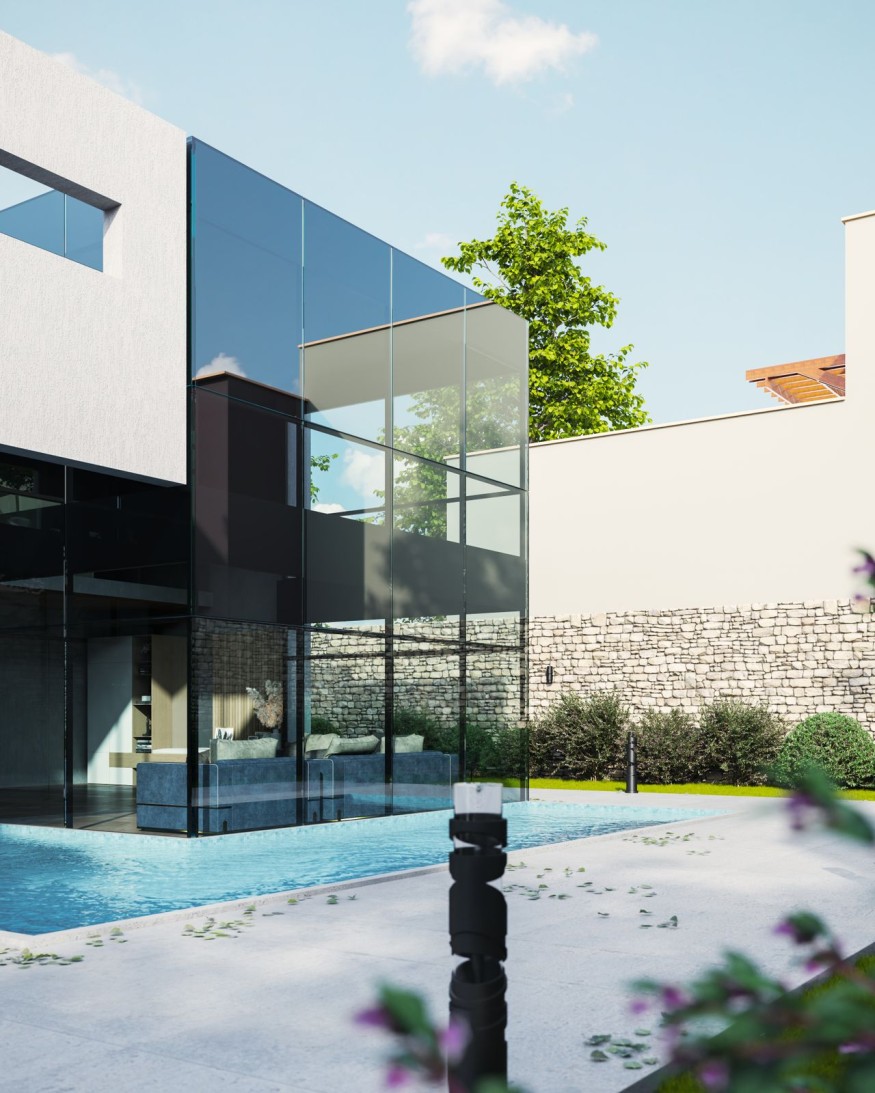
- Material contrast. Many glass homes pair transparent facades with solid elements (stone, concrete, or timber panels) to create visual rhythm and define private zones within an otherwise open structure.
- Indoor-outdoor continuity. Sliding glass walls, folding doors, and glass floors extend the living space outward, making terraces, gardens, and pools feel like natural extensions of the interior.
- Minimalist interior design. Because the architecture itself is the spectacle, interiors in glass homes tend toward restraint: clean lines, neutral palettes, and carefully curated furniture that does not compete with the views.
The Case for Floor-to-Ceiling Windows
For homeowners who are drawn to the aesthetic of transparent architecture but are not ready for a fully glazed structure, the floor to ceiling windows home offers a compelling middle ground. These expansive window installations can transform an ordinary room into something that feels entirely different.
The benefits are well documented among architects and interior designers:
- Maximized natural light. Sunlight floods the interior from floor to roof, reducing dependence on artificial lighting throughout the day and creating a more dynamic, living atmosphere as the light shifts with the hours.
- Panoramic views as a design feature. Whether the outlook is a city skyline, a woodland, or an ocean horizon, floor-to-ceiling glass turns the view itself into art; one that changes with every season.
- The illusion of expanded space. Even in modestly sized rooms, large-format glazing makes interiors feel significantly more spacious by visually extending the floor plane outward.
- Connection to well-being. Research consistently links natural light exposure to improved mood, sharper focus, and healthier sleep cycles. A floor to ceiling windows home is, in many ways, a wellness investment as much as a design one.
- Modern aesthetic impact. There is an undeniable visual power to glass that reaches the full height of a wall. It signals confidence, openness, and a commitment to contemporary design thinking.
Solving the Privacy Question
One of the first concerns homeowners raise about glass house design is privacy. It is a legitimate question, and the design world has developed a wide range of thoughtful answers.
Modern glass homes are not simply transparent boxes with no response to the outside world. Architects and designers use several strategies to preserve intimacy without compromising the openness that makes these homes remarkable.
Smart glass technology is among the most exciting developments in this space. Electrochromic glass panels can switch from fully transparent to frosted at the touch of a button, giving occupants total control over visibility at any given moment. This technology is particularly valuable in urban settings or for homes where bedrooms and bathrooms share a glazed wall with an outdoor area.
Strategic orientation is equally important. Many glass homes are sited so that transparent facades face gardens, forests, water, or private courtyards rather than streets or neighboring properties. The home opens to nature; it turns a considered shoulder to public view.
Frosted, tinted, and reflective glass offer permanent privacy solutions with different visual effects. Frosted glass allows light to pass through while obscuring the interior. Tinted glass reduces visibility from outside while maintaining clear views from within. Reflective coatings create a mirror-like exterior during daylight hours.
Layered design, using solid walls, planted screens, pergolas, or landscaping to buffer exposed glass areas, can add privacy organically while enriching the overall aesthetic of the property.
Energy Efficiency in Glass Homes: What the Technology Offers
A common assumption about glass house design is that it performs poorly in terms of energy efficiency. That assumption, while understandable, no longer reflects the reality of what modern glazing technology can achieve.
The evolution of glass from single-pane panels to today's high-performance systems has been significant. Triple-pane glazing with argon or krypton gas infills provides thermal performance that was simply not possible in earlier decades. Low-E (low emissivity) coatings reflect radiant heat while allowing visible light to pass through freely, reducing both heating and cooling loads.
Glass House Design in the Contemporary World
Today's glass homes are as diverse as the landscapes they inhabit. They range from compact urban pavilions to sprawling rural retreats, from minimal steel-and-glass boxes to hybrid structures where glass works alongside natural stone, timber, and rammed earth.
Some of the most celebrated recent examples push the material in new directions. Kengo Kuma has designed floating, transparent structures where glass is supported by extraordinarily slender steel columns, creating a quality of weightlessness that feels almost improbable. Glass bricks have seen a notable resurgence, reframed not as retro fixtures but as tactile, three-dimensional elements that bring depth and physicality to surfaces typically associated with flatness and lightness.
Frequently Asked Questions
1. Is a glass house design practical for everyday living?
Yes, with the right planning and materials, glass house design is entirely practical. Modern glazing technology, smart glass systems, and strategic site orientation all address the common concerns around privacy, temperature control, and maintenance.
2. How much does it cost to build a floor to ceiling windows home?
Costs vary depending on the scale of the project, the type of glazing selected, and the structural modifications required. A custom floor-to-ceiling window installation can range from several hundred to several thousand dollars per unit before labor.
3. What type of glass is best for open concept architecture with large glazed areas?
For open concept architecture that incorporates large glass panels, double or triple-pane insulated glass units with Low-E coatings are widely recommended. These systems balance thermal performance, UV protection, and clarity. In climates with strong sun exposure, solar control glazing with a reflective or tinted finish may be more appropriate.


Halle Berry's Longtime Sunset Strip Home Hits the Market for Nearly $12 Million

Shanghai Grand Opera House by Snøhetta Debuts Along the Huangpu River

Sad Beige Baby Trend: Why Neutral Nurseries Are Dividing Parents and Designers

Sherwin-Williams's 2027 Color Forecast Unveils 48 Rich Colors to Refresh Your Home in 2027

Modern Kids' Rooms Are Changing: The Kids' Bedroom Ideas Designers Want Now


