Think Your Junk Drawer Is the Problem? Pro Organizers Share the Right Way to Use It
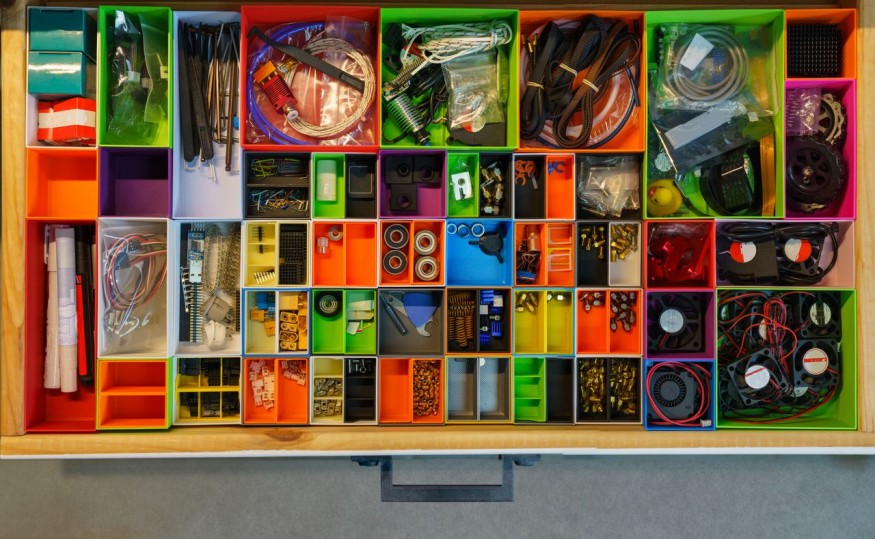
A junk drawer has long been viewed as the symbol of household clutter. It is often filled with loose batteries, takeout menus, random keys, tape, chargers, and dozens of small items that seem to have nowhere else to go. While many people assume professional organizers believe every junk drawer should disappear, that is not actually the case.
Experts generally agree that a designated space for miscellaneous everyday essentials can make a home more functional. The key difference is that a junk drawer should be intentional instead of becoming a catchall for everything that does not have a place. Good junk drawer organization supports a cleaner home, saves time, and even makes other storage areas easier to maintain.
For anyone looking for practical home organization tips and realistic decluttering ideas, learning how to use a junk drawer correctly is a surprisingly effective place to start.
Is It Okay to Have a Junk Drawer?
Professional organizers often emphasize that organization is about function rather than perfection. A junk drawer can serve a useful purpose because every home has small items that need to stay accessible but do not fit neatly into other categories.
Instead of scattering these items throughout the house, one dedicated drawer keeps them contained in a single location.
A well-managed junk drawer should:
- Hold frequently used household essentials.
- Make small items easy to find.
- Prevent countertops from becoming cluttered.
- Reduce the temptation to leave miscellaneous objects lying around.
Problems arise only when the drawer becomes a storage space for forgotten belongings instead of useful everyday tools.
Read more: From Spills to Set In Marks: 4 Furniture Stain Removal Steps That Support Furniture Restoration
What Should Actually Go in a Junk Drawer?
Not everything deserves a spot inside a junk drawer. Professional organizers recommend treating it as an extension of daily life rather than a place for long-term storage.
Items that belong include:
- Pens and permanent markers
- Tape and scissors
- Batteries
- Flashlights
- Rubber bands
- Twist ties
- Sticky notes
- Small measuring tape
- Spare keys
- Mini screwdriver set
- Phone charging cables used regularly
Items that should stay out include:
- Important paperwork
- Passports or financial documents
- Expired coupons
- Old receipts
- Broken electronics
- Unused cords with unknown devices
- Medications
- Loose coins that could be stored elsewhere
Keeping only practical items inside makes the drawer much easier to maintain over time.
How Do You Organize a Junk Drawer Like a Professional?
Organizing a junk drawer does not require expensive storage products. A simple process often produces the biggest improvements.
Empty Everything First
Start by removing every item from the drawer. Seeing everything at once makes it easier to identify duplicates, trash, and objects that belong somewhere else.
This step also provides an opportunity to clean the inside of the drawer before putting anything back.
Sort Similar Items Together
Grouping similar objects creates a system that is easier to maintain.
Common categories include:
- Office supplies
- Batteries
- Small tools
- Charging accessories
- Household hardware
- Miscellaneous fasteners such as nails and screws
Once categories are created, it becomes obvious which items deserve permanent storage elsewhere.
Use Drawer Dividers or Small Containers
Professional organizers rarely leave loose items rolling around inside a drawer.
Simple organizers can include:
- Adjustable drawer dividers
- Small plastic bins
- Recycled food containers
- Bamboo organizer trays
These compartments keep categories separated and prevent the drawer from becoming chaotic every time it is opened.
Give Every Item a Home
Every object inside the drawer should have a designated section.
For example:
- Batteries stay together.
- Pens remain in one compartment.
- Tape always returns to the same location.
This small habit makes daily maintenance almost effortless.
Leave Extra Space
Many organizing experts intentionally avoid filling every inch of available storage.
A little empty space allows room for new everyday items without creating immediate clutter. It also makes it easier to see what is inside instead of digging through layers of miscellaneous objects.
How Often Should You Clean Out a Junk Drawer?
A junk drawer is not something that should be organized once and forgotten forever.
Instead, professional organizers recommend making it part of regular household maintenance.
A quick refresh can include:
- Throwing away broken items.
- Recycling dead batteries properly.
- Removing duplicate supplies.
- Relocating objects that have accumulated over time.
- Wiping down the drawer before returning items.
Even a few minutes every few months can prevent clutter from building into a frustrating project.
Common Junk Drawer Mistakes Professional Organizers See
Many junk drawers become overwhelming because of a few common habits.
These include:
Treating Every Drawer Like a Junk Drawer
One dedicated miscellaneous drawer is usually enough. When several drawers become catchall spaces, finding anything becomes much harder.
Saving Everything "Just in Case"
Old charging cables, mystery keys, dried-out pens, and broken gadgets rarely become useful again. Holding onto too many uncertain items creates unnecessary clutter.
Mixing Important Documents With Everyday Supplies
Passports, warranties, birth certificates, and tax documents deserve secure storage, not a miscellaneous drawer.
Skipping Organizers Altogether
Without dividers or containers, small objects quickly migrate into one large pile, making even simple tasks frustrating.
Easy Home Organization Tips That Keep a Junk Drawer Under Control
Maintaining an organized drawer is usually easier than completely reorganizing it later.
Helpful habits include:
- Return items immediately after use.
- Limit purchases of duplicate household supplies.
- Store specialty tools elsewhere.
- Label containers if multiple family members use the drawer.
- Schedule regular decluttering sessions.
- Toss broken or expired items as soon as they are discovered.
These simple routines can extend beyond the junk drawer and improve organization throughout the home.
Why a Well Organized Junk Drawer Makes Everyday Life Easier
The biggest benefit of junk drawer organization is convenience.
Instead of searching through multiple rooms for tape, batteries, or scissors, everything needed for everyday tasks is available in one predictable place.
A functional junk drawer can also:
- Reduce visual clutter throughout the house.
- Save time during busy mornings.
- Prevent small items from getting lost.
- Encourage better organizing habits in other spaces.
Rather than representing disorder, a thoughtfully managed drawer becomes another practical storage solution.
Smart Junk Drawer Organization Starts With Purpose
Professional organizers do not expect every home to eliminate its junk drawer. Instead, they encourage using it intentionally. A designated space for everyday essentials can simplify daily routines, reduce clutter, and make the entire home feel more organized. With regular maintenance, simple storage solutions, and realistic boundaries, a junk drawer becomes a practical tool instead of a hidden source of frustration. Small changes today can lead to lasting improvements, making junk drawer organization, smart home organization tips, and consistent decluttering ideas part of an easier and more functional home.
Frequently Asked Questions
1. What is the best way to organize a junk drawer?
Start by emptying the drawer, sorting similar items into categories, discarding anything unnecessary, and using dividers or small containers to keep everything in its designated place.
2. How many junk drawers should a home have?
Most professional organizers recommend limiting the home to one primary junk drawer so miscellaneous items stay contained instead of spreading throughout the house.
3. What should never be stored in a junk drawer?
Important documents, passports, medications, sensitive financial information, and broken electronics should be stored elsewhere for safety and better organization.
4. How can a junk drawer stay organized over time?
Returning items after use, removing clutter during regular cleanouts, and keeping only frequently used essentials inside are the easiest ways to maintain an organized junk drawer.


Bold Patterns, Warm Colors, and Festive Entrances Are Shaping This Season's Home Trends

Malibu's Celebrity Real Estate Market Faces New Challenges From Coastal Erosion

A Room-by-Room Guide to Better Home Lighting With the Right Lamps

Year-Round Garden Design: How to Create a Landscape With Lasting Interest

Built-In Wall Niche Ideas That Make Awkward Recesses Look Intentional


