From Curved Sofas to Glass Blocks: Why 90s Decor Trends Remain Design Inspiration
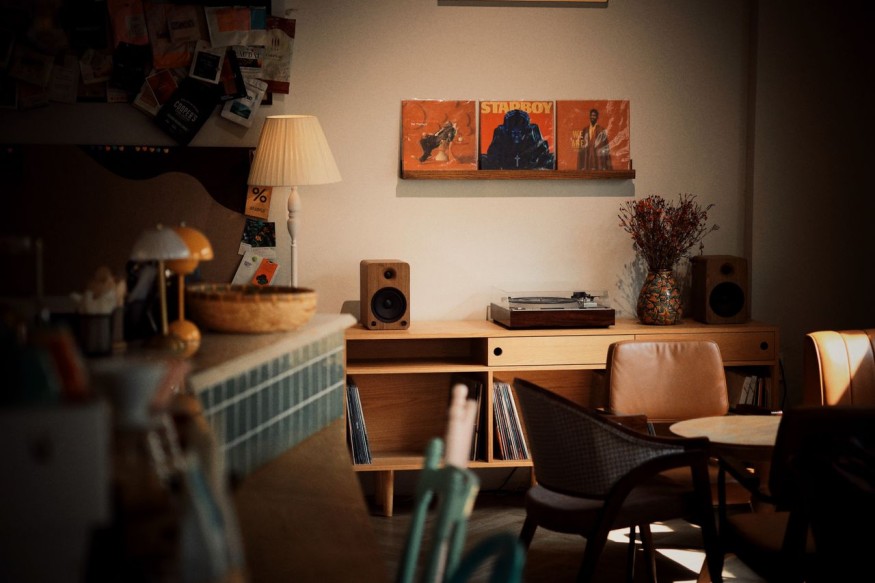
Interior design trends often come and go, but some decades leave a lasting mark on the way people think about their homes. The 1990s is one of those eras. While many homeowners embrace contemporary aesthetics, there is a growing appreciation for the relaxed, practical, and inviting elements that defined 90s interiors.
From curved furniture and warm wood finishes to cozy living spaces designed for everyday life, many 90s decor trends are finding their way back into modern homes. Designers continue to revisit this period because it offers a unique balance between simplicity and personality. As a result, the decade remains a valuable source of design inspiration for homeowners looking to create spaces that feel both nostalgic and current.
What Makes 1990s Design So Popular Today?
The renewed interest in 1990s interiors is closely linked to a broader cultural fascination with the decade. Television shows, fashion, and music from the era have all experienced a revival, naturally influencing home design as well.
Unlike some design periods that focused heavily on formality, the 1990s embraced comfort. Living rooms were designed for gathering, furniture prioritized relaxation, and decorative elements felt approachable rather than overly curated.
This combination of comfort and familiarity makes many 90s design ideas especially appealing in today's homes.
What Are the Key Characteristics of 90s Interior Design?
Many recognizable features helped define interior spaces during the decade.
Some of the most notable characteristics include:
- Soft, neutral color palettes
- Light wood furniture and cabinetry
- Curved sofas and rounded edges
- Glass block accents
- Large indoor plants
- Layered textures and cozy fabrics
- Functional layouts centered on daily living
Together, these elements created spaces that felt welcoming and practical while maintaining visual interest.
Why Is Nostalgia Influencing Interior Design Trends?
Nostalgia plays a powerful role in shaping design preferences. People are often drawn to interiors that remind them of familiar experiences, favorite childhood memories, or comforting environments.
For many homeowners, 90s decor trends represent a time when interiors felt less focused on perfection and more focused on everyday comfort. This emotional connection encourages designers and homeowners to revisit styles that create a sense of warmth and authenticity.
Nostalgia also allows older design elements to be reinterpreted in fresh ways. Instead of copying entire rooms from the past, modern interiors often borrow select features and blend them with contemporary aesthetics.
Which 90s Decor Trends Are Making a Comeback?
Several signature design elements from the decade have returned to modern homes.
Curved Furniture
Rounded sofas, arched mirrors, and circular coffee tables are once again popular choices. Their softer shapes help create a more inviting atmosphere while adding visual flow to a room.
Glass Block Features
Glass blocks were a defining feature of many 90s homes. Today, they are being reintroduced through:
- Bathroom partitions
- Accent walls
- Decorative room dividers
- Entryway details
These features add texture and allow light to move throughout a space.
Blonde Wood Finishes
Light oak and blonde wood cabinetry have returned as homeowners move away from darker finishes. These materials bring warmth and natural character without making rooms feel heavy.
Botanical Elements
The 1990s embraced greenery in a big way. Large potted plants continue to serve as an easy way to introduce life and color into contemporary interiors.
How Are Designers Updating 90s Decor Trends for Modern Homes?
Rather than recreating an entire 1990s interior, designers typically adapt specific features to suit modern lifestyles.
Common approaches include:
- Pairing vintage furniture with contemporary lighting
- Combining neutral 90s color palettes with modern materials
- Using statement pieces instead of themed rooms
- Incorporating sustainable and natural finishes
- Simplifying decorative patterns for a cleaner look
This approach allows homeowners to enjoy nostalgic influences while maintaining a fresh and current aesthetic.
What Colors Were Popular in 90s Interior Design?
Color played a significant role in shaping the atmosphere of 1990s interiors. Many palettes were inspired by nature and designed to create a calm environment.
Popular shades included:
- Beige
- Cream
- Taupe
- Sage green
- Dusty blue
- Mauve
- Terracotta
- Forest green
These colors remain relevant today because they are versatile and easy to pair with modern furnishings.
Many designers continue to use these tones as a foundation when seeking timeless design inspiration.
Why Do Millennials and Gen Z Love 90s Design?
Younger generations have embraced many aspects of 1990s culture, including interior design. Part of the appeal comes from nostalgia, while another part stems from a desire for spaces that feel genuine and lived in.
The decade's emphasis on comfort resonates with homeowners who want their interiors to support daily life rather than simply look impressive.
Social media has also contributed to the revival by showcasing updated versions of classic 90s decor trends. As these spaces gain attention online, more people become interested in incorporating similar elements into their own homes.
Is 90s Interior Design the Same as Minimalism?
Although there are similarities, the two styles are not identical.
Both approaches often feature:
- Neutral color palettes
- Functional furniture
- Uncluttered layouts
However, 1990s interiors generally included more texture, softer forms, and decorative details than strict minimalist spaces.
The decade can be viewed as a bridge between traditional interiors and the minimalist designs that became popular in later years.
How Can You Add 90s Design Inspiration to Your Home?
Introducing 90s influences does not require a complete renovation.
Simple updates can make a noticeable difference:
- Add a curved accent chair or sofa.
- Incorporate light wood furniture.
- Use earth-toned accessories and textiles.
- Introduce large indoor plants.
- Choose rounded mirrors and organic shapes.
- Layer soft textures through rugs and cushions.
These small changes can capture the essence of the decade while maintaining a contemporary feel.
Why 90s Decor Trends Continue to Shape Modern Interiors
The continued popularity of 90s decor trends demonstrates how influential the decade remains in today's design world. Its emphasis on comfort, natural materials, practical layouts, and welcoming spaces aligns closely with what many homeowners seek today. By blending nostalgic elements with modern sensibilities, designers continue to find valuable design inspiration in a decade that prioritized both style and everyday living.
Frequently Asked Questions
1. What are the most popular 90s decor trends returning today?
Curved furniture, light wood finishes, glass block accents, botanical decor, and warm neutral color palettes are among the most popular trends making a comeback.
2. Why is 1990s interior design popular again?
The style offers comfort, familiarity, and a sense of nostalgia while fitting naturally into contemporary homes. Many homeowners appreciate its balance of functionality and personality.
3. How can someone incorporate 90s design without making a home look outdated?
Using a few carefully selected elements, such as curved furniture, earth-toned accessories, or natural wood finishes, can create a modern interpretation of the trend without overwhelming the space.
4. What colors best represent 1990s interior design?
Classic 1990s colors include beige, cream, sage green, dusty blue, mauve, terracotta, and other nature-inspired tones that create a warm and inviting atmosphere.


How to Make Your Home Bathroom Feel More Like a Spa for Less

7 Art Deco Trends Designers Are Bringing Back for Modern Homes

The Built-In Tub Is Back, and It's More Stylish Than You Remember

The Micro Kitchen Is the Smart New Alternative to the Oversized Kitchen

IKEA's New Art Collection Turns Everyday Home Decor Into Affordable Designer Art


