Is Ivy Bad for House Walls? What Homeowners Need to Know Before It Spreads
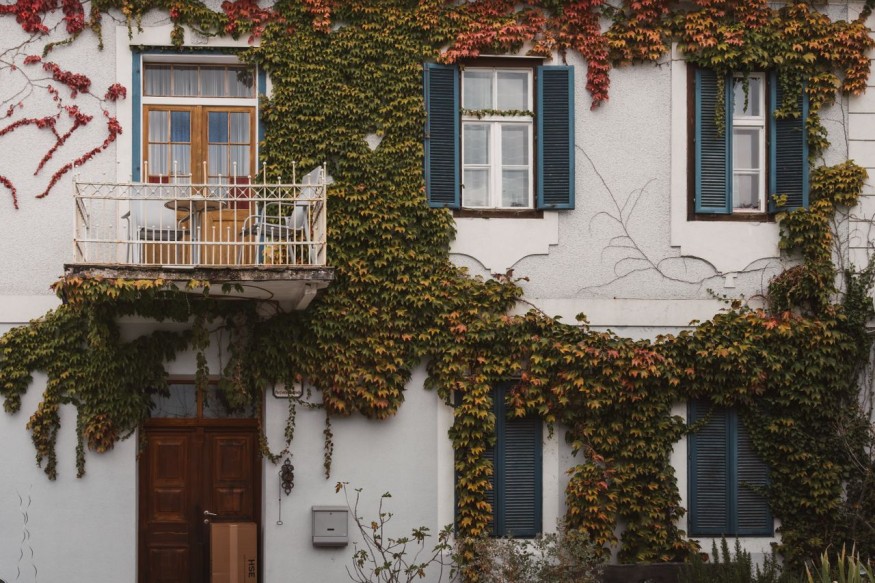
Climbing ivy can give a home the character of an English cottage, softening brick facades and adding greenery to otherwise plain walls. Its dense foliage can complement traditional architecture, create visual interest, and make a building feel more connected to its surroundings. However, homeowners considering this classic landscaping feature should understand how climbing plants interact with exterior materials.
Although ivy does not automatically damage every surface it grows on, it can complicate maintenance and contribute to problems when a building already has cracks, deteriorating mortar, or vulnerable exterior finishes. Dense growth may also conceal defects that would otherwise be easy to spot during routine inspections.
The key is understanding the condition of the wall, the type of ivy involved, and how the plant attaches itself to the surface. With appropriate care, homeowners can make informed decisions about whether to keep existing growth, introduce climbing greenery, or choose an alternative landscaping approach.
How Ivy Interacts With Brick, Stone, and Other Exterior Materials
Different climbing plants use different methods to attach themselves to walls. English ivy, for example, produces small aerial rootlets that cling to surfaces, allowing the plant to spread across vertical structures. As the stems mature, they can become woody and increasingly difficult to remove.
The effect on a building depends largely on the material and its condition. Sound masonry may tolerate climbing vegetation better than a wall with loose mortar, damaged render, or deteriorating paint. Problems are more likely when the plant encounters existing weaknesses rather than a healthy, well-maintained surface.
When ivy establishes itself in cracks or gaps, removing it can disturb already fragile materials. Its attachment points may also leave behind rootlets that are difficult to clean without damaging the underlying finish.
Painted walls and rendered facades require particular attention. Even when ivy has not caused significant damage beneath the surface, its removal may pull away loose paint or weaken a deteriorated coating.
For this reason, homeowners should assess the exterior before allowing ivy to spread extensively. Repairing existing defects and selecting an appropriate planting location can reduce the likelihood of future maintenance problems.
Why Dense Ivy Can Make Moisture Problems Harder to Detect
One of the more significant concerns with an ivy-covered facade is the difficulty of inspecting the wall beneath the foliage. Dense growth can conceal cracks, staining, damaged mortar, and other signs that an exterior needs attention.
Ivy can also influence how quickly a wall dries. Depending on the climate, wall orientation, foliage density, and surface condition, vegetation may reduce airflow and allow some areas to remain damp for longer.
Persistent moisture can be particularly problematic when it reaches vulnerable masonry, timber components, or damaged exterior finishes. However, ivy should not automatically be blamed for every damp patch. Failed seals, defective gutters, poor drainage, and existing cracks can also allow water to enter a building.
Homeowners should investigate the underlying cause rather than assume that removing the plant will resolve the problem.
The Royal Horticultural Society's guide to growing ivy provides information about ivy varieties and their growing habits, helping gardeners understand what to expect before introducing the plant to their properties.
When Climbing Plants Become a Problem Around Roofs and Windows
Ivy does not necessarily remain within the boundaries where it was originally planted. Given suitable conditions, it can spread toward gutters, roof edges, window frames, vents, and other parts of the building envelope.
Growth around gutters can make cleaning more difficult and interfere with routine inspections. Vegetation that reaches roof coverings or enters gaps around eaves can also conceal defects that need attention.
Window frames and exterior seals deserve similar consideration. Dense foliage may make it harder to identify deteriorating caulk, damaged timber, or gaps around openings. Keeping these areas accessible helps homeowners monitor the condition of the building.
The plant's weight and mature growth also matter. Established ivy can develop substantial woody stems, making removal more complicated than trimming a young plant.
Regular pruning helps prevent vegetation from reaching vulnerable architectural details. It also makes it easier to identify problems before they become expensive repairs.
The Case for Keeping Ivy on a House
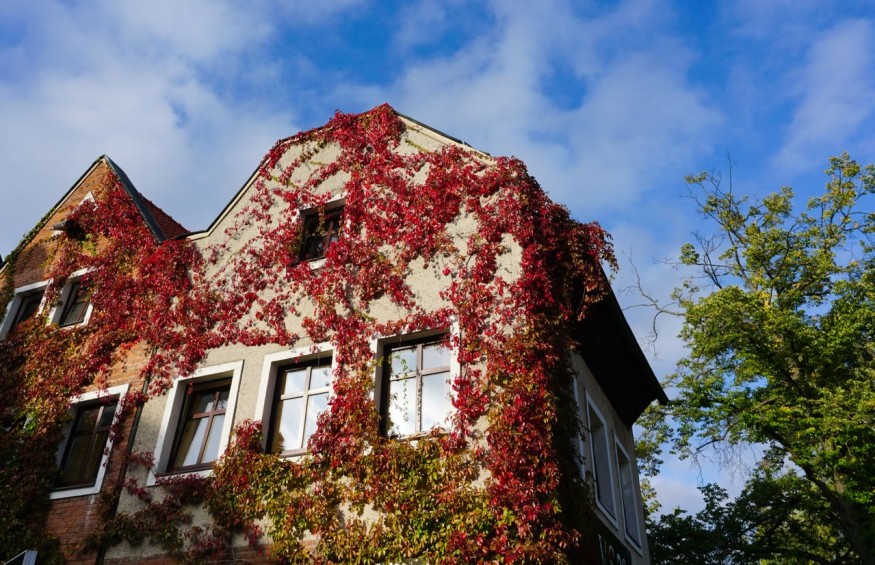
Despite its potential drawbacks, ivy is not inherently unsuitable for residential exteriors. On an appropriate surface, a carefully managed climbing plant can contribute to the appearance of a home while providing habitat for insects and other wildlife.
The decision should depend on the building rather than a blanket assumption that all ivy is destructive.
A sound masonry wall with intact mortar joints presents a different situation from an older facade with loose bricks, deteriorating render, or extensive cracks. Historic buildings may require additional consideration because inappropriate removal can damage original materials.
Homeowners should also account for the plant's growth rate and their willingness to maintain it. A vigorous climber can require regular attention, particularly when planted near rooflines and openings.
For properties with fragile exterior finishes, an independently supported trellis can provide an alternative. It allows climbing plants to grow without attaching directly to the wall, although the support system must be installed appropriately and positioned to avoid moisture problems.
Removing Established Ivy Without Damaging the Wall
When ivy has become difficult to manage, removing it requires a measured approach. Pulling mature stems directly from a wall can dislodge loose mortar, strip paint, or damage deteriorated finishes.
Homeowners should first assess the surface and identify any existing defects. Where the masonry is fragile, the building is historically significant, or the vegetation has become extensive, professional advice can help determine the safest removal method.
Removing the visible foliage may not eliminate every attachment point. Remaining rootlets and woody stems can require additional treatment, and aggressive scraping can create more damage than the plant itself.
It is equally important to address the reason for removal. If ivy has concealed failing mortar or damaged exterior coatings, those issues should be repaired after the wall has been properly inspected.
The aim is not simply to clear the facade but to restore access to the exterior and make future maintenance easier.
Protecting Your Home While Preserving Its Character
Ivy can enhance a home's appearance, but its suitability depends on the building's materials, condition, and exposure to moisture. Sound masonry may tolerate carefully managed growth, while vulnerable surfaces and areas around rooflines may require greater caution.
Regular inspections, thoughtful pruning, and early repairs help homeowners avoid allowing a decorative feature to become a maintenance burden. Where direct climbing growth is unsuitable, independently supported plants or other landscaping options can provide a similar visual effect.
The most effective approach balances aesthetics with the practical needs of the building. By understanding how ivy interacts with different surfaces, homeowners can decide whether to keep it, manage it more carefully, or remove it before it interferes with exterior maintenance.
Frequently Asked Questions
1. Does ivy damage brick walls?
Ivy does not automatically damage sound brickwork. However, it can complicate maintenance and may worsen existing problems in walls with loose mortar, cracks, or deteriorated surfaces.
2. Can ivy cause damp inside a house?
Ivy is not necessarily the cause of interior dampness. However, dense growth can conceal defects and may affect how quickly some exterior surfaces dry. Water penetration should be investigated to identify the underlying cause.
3. Should ivy be removed from a painted exterior wall?
Removal may be advisable when the paint is deteriorating or the plant prevents proper inspection. Because attached rootlets can pull away loose paint, established growth should be removed carefully.
4. How can homeowners prevent ivy from damaging exterior features?
Regularly inspect and prune the plant, keep it away from gutters and roof edges, and repair cracks or loose mortar promptly. Consider an independently supported trellis if direct growth on the wall is unsuitable.


Marilyn Monroe's Former Palm Springs Home Sells for $2.81 Million as New Owner Plans Restoration

Where to Buy a Christmas Tree in 2026, From Charlie Brown Chic to Ralph Lauren Classics

Lion Green Road Wins the Stirling Prize for Its Innovative Approach to Housing

A Frank Lloyd Wright Landmark Reopens After Years of Restoration in Florida

IKEA's New Art Collection Turns Everyday Home Decor Into Affordable Designer Art


