From Apples to Citrus: The Best Trees for the Garden and Garden Ideas That Add Lasting Beauty
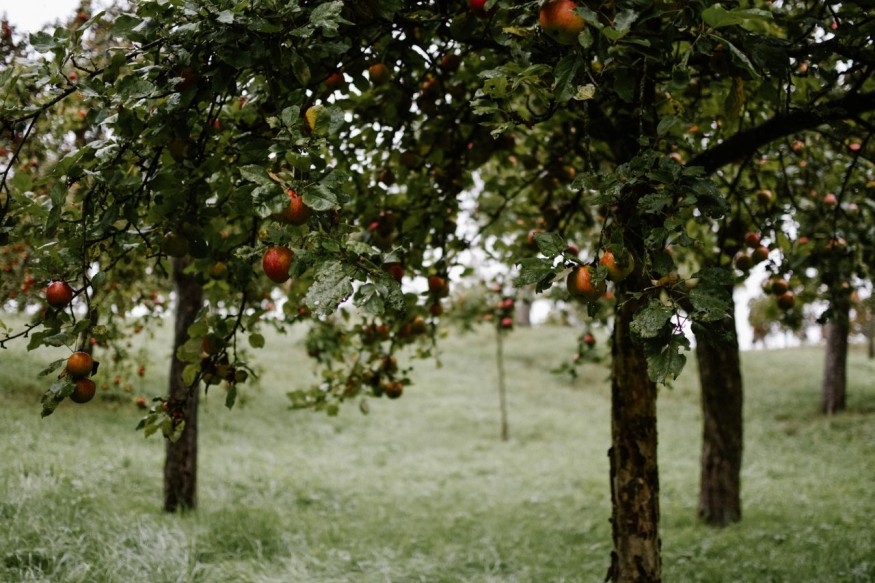
Fruit trees offer far more than seasonal harvests. They introduce color, fragrance, texture, and structure that can transform an ordinary outdoor space into a welcoming landscape. Whether planted as a focal point, lining a pathway, or incorporated into an edible landscape, the right varieties can enhance both the appearance and function of a yard. Choosing the best trees for the garden also supports long term landscaping goals by combining ornamental appeal with practical benefits. For homeowners looking for fresh garden ideas, fruit trees remain one of the most rewarding additions to any outdoor setting.
Why Fruit Trees Are a Great Choice for the Garden
Fruit trees bring year round interest through blossoms, lush foliage, colorful fruit, and striking branch shapes during the dormant season. Unlike purely ornamental trees, they provide beauty while also producing fresh ingredients for the kitchen.
Some of their biggest advantages include:
- Attractive flowers in spring
- Shade during warmer months
- Fresh fruit for home use
- Habitat for birds and pollinators
- Improved visual appeal for front and back gardens
Whether the landscape is modern, cottage inspired, or Mediterranean in style, fruit trees can easily complement different outdoor designs.
What to Consider Before Planting Fruit Trees
Selecting the right species begins with understanding the growing conditions of the property. Matching a tree to its environment helps promote healthier growth and more reliable fruit production.
Important factors include:
- Available sunlight, since most fruit trees thrive with full sun.
- Well drained soil that prevents standing water around roots.
- Local climate and winter temperatures.
- Mature tree size to avoid overcrowding.
- Pollination needs, as some varieties require another compatible tree nearby.
Taking time to plan before planting allows homeowners to enjoy healthier trees with less maintenance in the years ahead.
The Best Trees for the Garden That Also Produce Fruit
Not every fruit tree suits every landscape, but several varieties consistently stand out for their combination of beauty and productivity.
Apple Trees
Apple trees are among the most popular choices for residential gardens. Their spring blossoms create a spectacular display, while the fruit provides a rewarding harvest later in the season. Many dwarf varieties also work well in smaller yards.
Cherry Trees
Cherry trees are admired as much for their blossoms as their fruit. Sweet cherries are ideal for eating fresh, while tart varieties are excellent for baking. Even when not producing fruit, cherry trees remain eye catching landscape features.
Peach Trees
Peach trees deliver fragrant pink flowers followed by juicy fruit. Their moderate size makes them suitable for many suburban gardens, and they often become standout focal points during spring.
Pear Trees
Pear trees develop an elegant, upright form that fits formal and informal landscapes alike. White blossoms brighten the garden early in the growing season, followed by attractive green foliage and flavorful fruit.
Plum Trees
Plum trees produce colorful flowers before their leaves emerge, creating a dramatic display. Compact cultivars make excellent options for homeowners with limited space.
Fig Trees
Fig trees are valued for their distinctive leaves and relaxed appearance. They fit beautifully into Mediterranean inspired landscapes and are relatively easy to maintain in suitable climates.
Citrus Trees
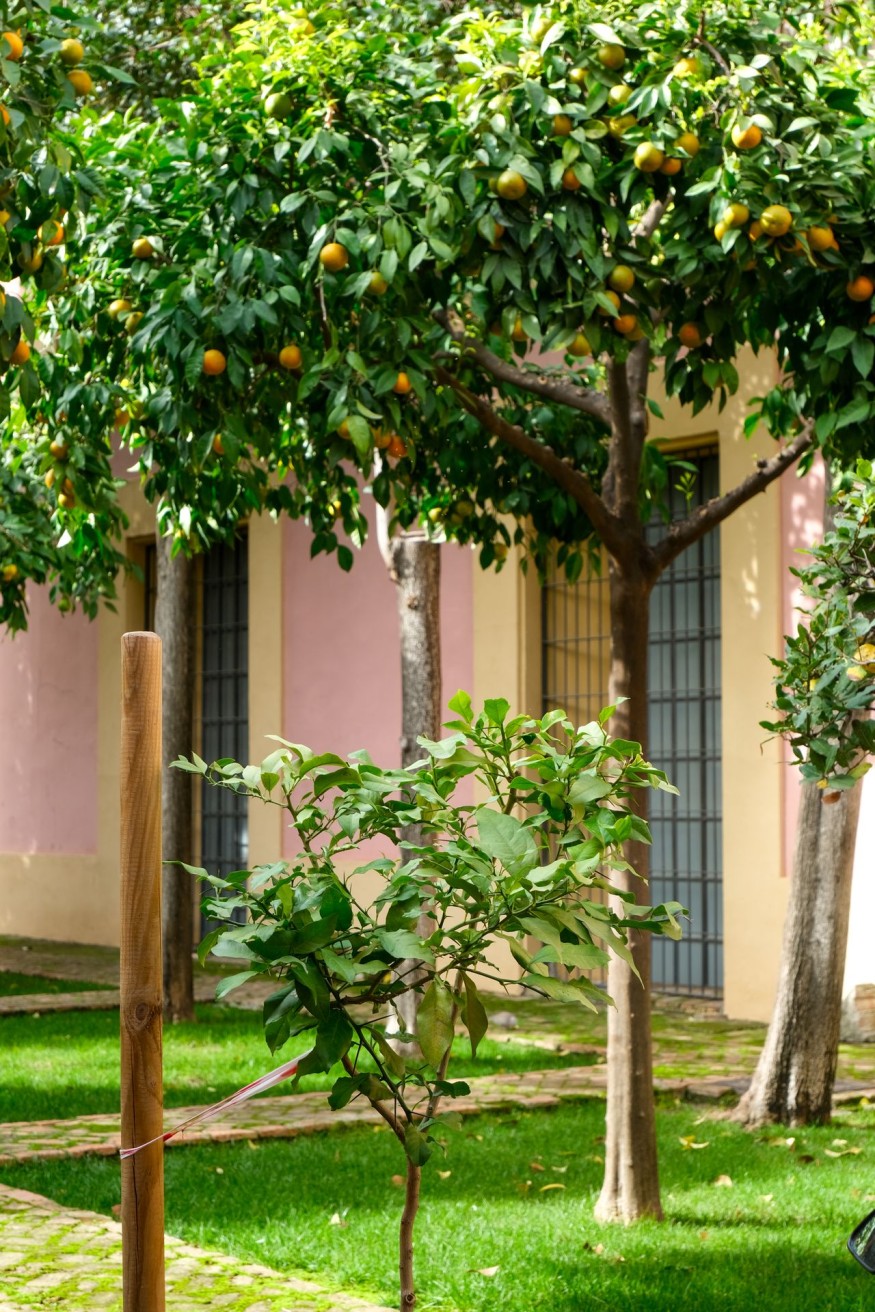
Lemon and orange trees provide glossy evergreen foliage, fragrant white flowers, and vibrant fruit. They also perform well in large containers, making them versatile additions to patios and courtyards.
Which Fruit Trees Are Best for Small Gardens?
Limited outdoor space does not mean sacrificing the benefits of fruit trees. Several compact options make it possible to enjoy homegrown produce without overwhelming the landscape.
Popular choices include:
- Dwarf apple trees
- Columnar fruit trees
- Patio citrus varieties
- Espalier trained pear or apple trees
- Compact fig trees grown in containers
These space saving options offer attractive garden ideas while keeping maintenance manageable.
Easy Fruit Trees for Beginners
Some fruit trees require less attention than others, making them excellent choices for first time gardeners.
Beginner friendly selections include:
- Pear trees for their adaptability
- Fig trees for simple care
- Persimmon trees for disease resistance
- Plum trees for reliable harvests
- Mulberry trees for vigorous growth
Regular watering during establishment, seasonal pruning, and occasional feeding are usually enough to keep these trees healthy.
Garden Ideas Using Fruit Trees
Fruit trees can become an integral part of a thoughtfully designed landscape rather than standing alone in the yard.
Creative landscaping ideas include:
- Plant dwarf fruit trees along walkways to create an inviting entrance.
- Pair flowering fruit trees with perennial borders for layered seasonal color.
- Create a small orchard corner with mixed fruit varieties.
- Add decorative mulch to define planting beds.
- Incorporate raised planters around patio seating areas.
- Train espalier trees against fences or walls for a space saving feature.
These approaches allow trees for the garden to serve both decorative and practical purposes while creating a cohesive outdoor design.
Common Mistakes to Avoid
Even high quality fruit trees can struggle when basic planting principles are overlooked.
Avoid these common mistakes:
- Planting trees too close together
- Choosing varieties unsuitable for the local climate
- Overwatering established trees
- Ignoring annual pruning
- Forgetting pollination requirements before purchasing
Preventing these issues from the start helps trees remain healthier and more productive over time.
Beautiful Garden Ideas That Grow With Every Season
Fruit trees continue to reward homeowners long after planting day. Their blossoms welcome spring, leafy canopies provide summer shade, colorful harvests brighten autumn, and sculptural branches add winter character. By selecting varieties suited to the local climate and landscape style, homeowners can create outdoor spaces that are both visually appealing and highly functional. Whether designing a compact courtyard or a spacious backyard, incorporating trees for the garden remains one of the most enduring garden ideas for adding lasting beauty and seasonal enjoyment.
Frequently Asked Questions
1. Which fruit tree is the easiest to grow in a home garden?
Fig, pear, and plum trees are often recommended for beginners because they are relatively easy to maintain and adapt well to many garden conditions.
2. Can fruit trees grow in small backyards?
Yes. Dwarf, columnar, and espalier fruit trees are specifically suited for compact spaces while still producing attractive blooms and harvests.
3. How much sunlight do fruit trees need?
Most fruit trees perform best with at least six to eight hours of direct sunlight each day to support healthy growth and fruit production.
4. Which fruit tree adds the most ornamental value?
Cherry trees are widely appreciated for their spectacular spring blossoms, while citrus, apple, and peach trees also provide striking flowers and attractive seasonal interest throughout the year.


How to Declutter Every Room in Your Home, From the Entryway to the Garage

The Architectural Details Every Homebuyer Should Understand Before Buying

Halloween Mantel Decorating Ideas That Feel Stylish, Not Spooky-Store Basic

Nick and Vanessa Lachey's Tarzana Estate Is Back on the Market for $8.2 Million

How Architects Hide Gutters Without Sacrificing Roof Drainage


