How to Use Landscape Lighting Design to Create a Striking Outdoor Space After Dark

Outdoor spaces can look entirely different after sunset. Trees become silhouettes, garden beds take on new depth, and architectural details that might fade into the background during daylight can become striking focal points. The right landscape lighting design makes it possible to enjoy those details while improving visibility around the property.
Thoughtful outdoor illumination is about more than adding fixtures along a walkway. It involves considering how light interacts with architecture, plants, hardscaping, and outdoor living areas. From discreet garden path lights to carefully positioned outdoor architectural lighting, a well-planned system can create a welcoming atmosphere without making a property feel overly bright.
What Is Landscape Lighting Design?
Landscape lighting design is the process of planning where and how outdoor lighting fixtures are used throughout a property. The goal is to balance beauty, visibility, safety, and the character of the surrounding landscape.
A successful design typically combines several lighting techniques rather than relying on one fixture type. Pathways may receive soft illumination, while trees, textured walls, entryways, or sculptures can receive more focused accent lighting.
The placement of each fixture also matters. Light directed toward a feature can draw attention to it, while light positioned behind an object can create silhouettes and shadows. This layering gives outdoor areas dimension after dark.
Read more: Rethinking Backyard Water Features: Modern Swimming Pool Design and Minimalist Reflecting Ponds
How Do You Plan a Landscape Lighting Design?
The planning process starts with identifying the areas that need practical illumination and the features that deserve visual emphasis. Entrances, stairs, pathways, patios, and frequently used outdoor areas generally take priority.
The architecture of the home should also influence the design. A contemporary property may benefit from streamlined fixtures and carefully controlled beams, while a traditional home might suit lantern-style fixtures or subtler accent lighting.
Visibility from inside the house is another consideration. A beautifully illuminated tree or garden feature can become part of the nighttime view from living rooms, dining spaces, or bedrooms.
Where Should Garden Path Lights Be Placed?
Garden path lights are commonly used along walkways, garden borders, driveways, and transitions between outdoor areas. Their primary purpose is to make paths easier to navigate, but they can also contribute to the overall atmosphere of the landscape.
Rather than placing fixtures in a perfectly straight line, designers may stagger them along opposite sides of a path. This can create a softer, more natural appearance and reduce the feeling of a runway of lights.
Fixture height, spacing, brightness, and beam direction should correspond with the width and layout of the pathway. Steps and changes in elevation require particular attention because uneven surfaces can become difficult to see at night.
What Are the Best Types of Garden Path Lights?
- Low-profile path lights for understated illumination
- Bollard lights for modern walkways and larger properties
- Recessed lights for a clean, built-in appearance
- Stake lights for garden beds and flexible placement
- Step lights for stairs, retaining walls, and changes in elevation
How Can Outdoor Architectural Lighting Enhance a Home?
Outdoor architectural lighting can emphasize the shape, texture, and proportions of a home's exterior. Instead of simply flooding the facade with light, carefully positioned fixtures can draw attention to specific architectural elements.
Uplighting can emphasize columns, trees, tall walls, and vertical structures. Wall washing can provide broader illumination across a facade, while grazing places light close to a textured surface to emphasize materials such as stone or brick.
Entryways can also benefit from focused lighting. A well-lit front door improves visibility while creating a natural focal point for the exterior. In outdoor entertaining areas, lighting can define seating zones without competing with the architecture.
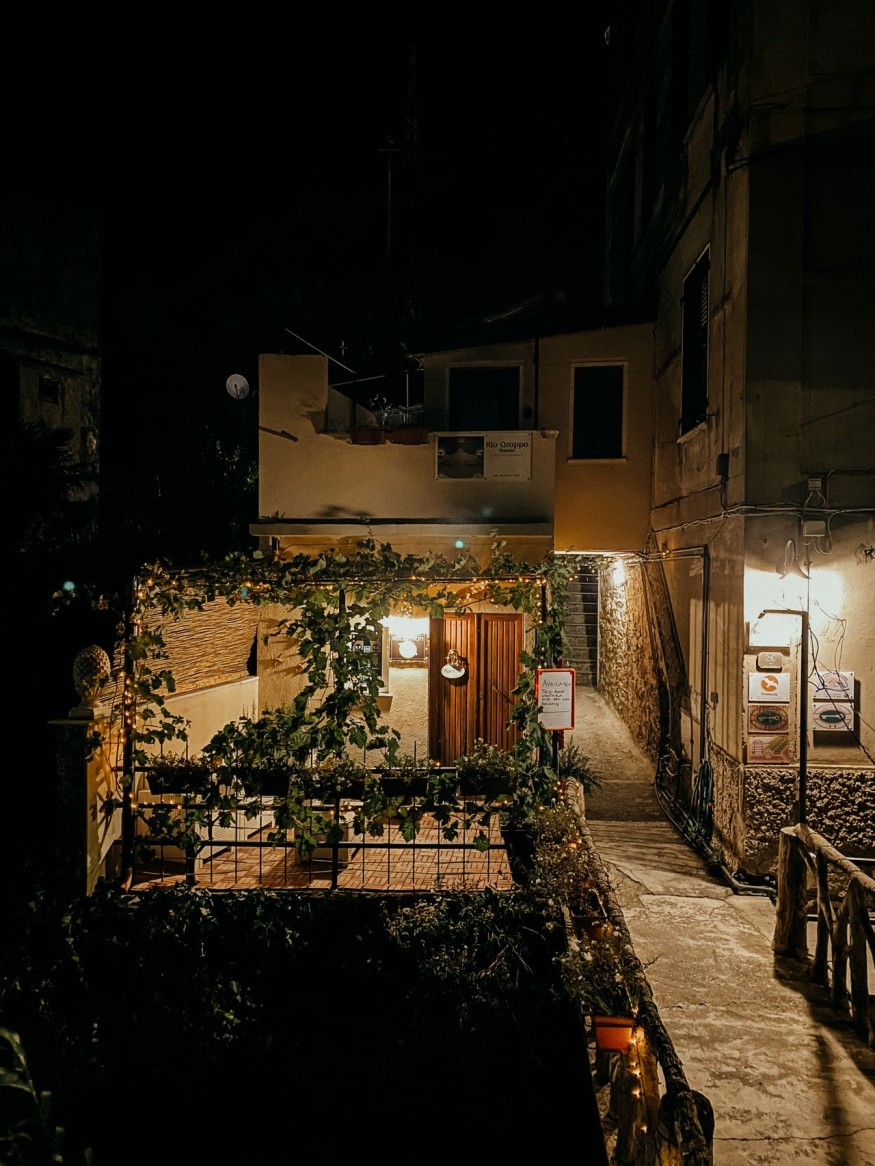
How Can Pathway Lighting Improve Outdoor Safety?
Pathway illumination can make entrances, stairs, garden paths, and uneven surfaces easier to navigate after dark. This is particularly useful around steps, changes in grade, retaining walls, and transitions between different types of paving.
Safety lighting does not necessarily need to be extremely bright. Excessive brightness can create glare and make surrounding areas appear darker by comparison. Even, strategically positioned illumination is generally more comfortable and visually effective.
Motion sensors, timers, photocells, and smart controls can also help ensure that frequently used areas receive illumination when needed without requiring every fixture to remain on throughout the night.
How Do You Illuminate a Garden Without Overlighting It?
A garden often looks more sophisticated when some areas remain in shadow. Darker spaces provide contrast and allow illuminated plants, trees, sculptures, or architectural elements to stand out.
Rather than lighting every planting bed, a landscape lighting plan can select a few visually important features. A mature tree, ornamental grass, water feature, or distinctive planting can become a nighttime focal point with relatively little illumination.
Light spill should also be considered. Fixtures aimed toward neighboring properties or upward into the night sky can create unwanted glare. Shielded fixtures and carefully directed beams can help keep illumination focused where it belongs.
What Are the Best Energy-Efficient Landscape Lighting Options?
LED fixtures are widely used for outdoor lighting because they offer efficient operation and long service life. Low-voltage systems are also common in residential landscape applications and can provide flexibility when fixtures need to be positioned throughout a garden.
Controls can further improve efficiency. Timers and photocells can automate operation based on time or available daylight, while smart systems can allow homeowners to adjust schedules and lighting zones.
Creating a Cohesive Outdoor Lighting Design
The most successful outdoor lighting schemes treat the landscape and architecture as one connected environment. Landscape lighting design should consider how pathways lead toward the home, how garden features relate to outdoor living spaces, and how architectural lighting contributes to the property's overall appearance.
Fixture finishes can complement exterior materials, while concealed or low-profile fixtures can keep attention on the landscape instead of the hardware. Lighting should also transition naturally from one area to another, avoiding abrupt changes in brightness.
When planned carefully, garden path lights can provide practical guidance while accent fixtures bring depth to planting and architectural details. The result is an outdoor environment that remains inviting and visually interesting long after daylight disappears.
Thoughtful Landscape Lighting Makes Outdoor Spaces Shine
A well-designed lighting plan can transform the way a property is experienced at night. By combining practical pathway illumination with carefully selected outdoor architectural lighting, homeowners can highlight the character of their property while creating safer and more comfortable outdoor spaces.
The most effective approach is rarely the brightest one. Strategic placement, controlled beams, appropriate color temperature, and a balance of illuminated and shadowed areas can give gardens and architecture a refined nighttime presence without overwhelming the setting.
Frequently Asked Questions
1. How far apart should garden path lights be?
Spacing depends on the fixture's brightness, beam spread, pathway width, and desired visual effect. Fixtures should provide consistent visibility without creating isolated pools of overly bright light.
2. What type of lighting is best for outdoor pathways?
Low-profile path lights, bollards, recessed fixtures, and step lights can all work effectively. The best choice depends on the pathway's design, surrounding landscape, and architectural style.
3. How do you light architectural features outside?
Uplighting, downlighting, wall washing, and grazing can emphasize different architectural elements. The technique should correspond with the feature's height, material, texture, and location.


What Is a Mixed-Use Building? Benefits, Design Features, and Urban Impact

5 Home Bar Lighting Ideas That Make Any Space Feel More Sophisticated

Want a Beautiful Yard With Less Work? Start With These Landscaping Ideas

High vs. Low Ceilings: How Ceiling Height Changes a Home's Atmosphere

The Architectural Details Every Homebuyer Should Understand Before Buying


