Why Zero Waste Home Decor Is Embracing Sustainable Furniture Brands and Circular Design Interior
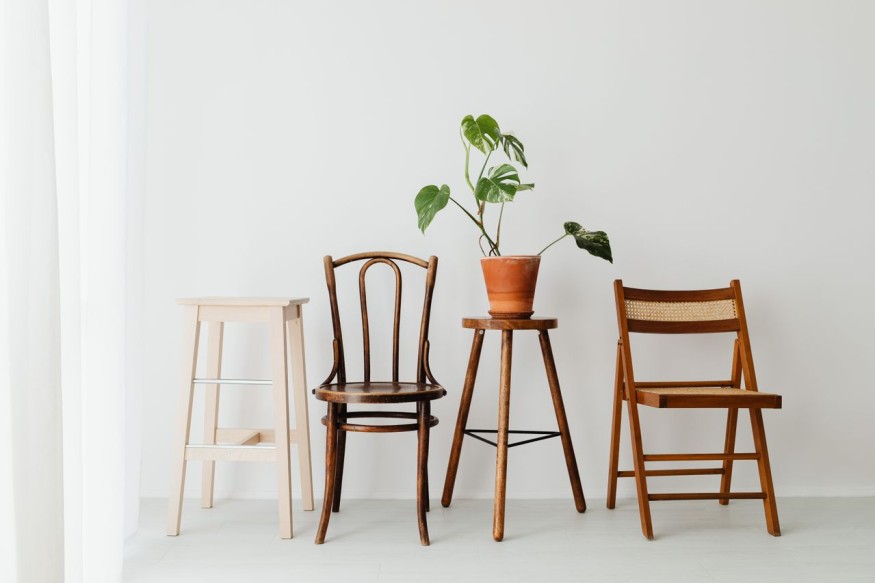
Creating a more sustainable home does not mean giving up style, comfort, or personality. Instead, zero-waste interior design asks homeowners to reconsider how furniture and decor are sourced, used, maintained, and eventually passed on. The approach places value on pieces that last, materials that can remain in use, and products made with greater attention to their environmental and social impact.
This is where zero waste home decor and circular design interior principles can make a difference. Rather than following a simple take, make, and discard model, circular design aims to keep products and materials useful for as long as possible through durability, repair, reuse, refurbishment, and responsible recycling.
What Is Zero-Waste Interior Design?
Zero-waste interior design is an approach that minimizes unnecessary consumption and keeps furnishings and materials in circulation. It can apply to everything from a living room sofa and dining table to paint, flooring, lighting, window treatments, and decorative accessories.
The first step is often surprisingly simple: reconsider whether something needs to be purchased at all. Existing furniture can sometimes be repaired, refinished, reupholstered, or moved to another room rather than replaced.
When new pieces are necessary, longevity becomes an important consideration. Furniture that can withstand everyday use and be repaired when damaged has a better chance of staying out of the waste stream. Circular design similarly considers what happens to a product throughout its entire lifecycle, including whether it can eventually be dismantled, reused, or recycled.
Read more: Taiwan Builds Eco-Friendly Circular Housing Complex That Grows Its Own Food and Reuses Waste
How Does Circular Design Work in an Interior?
A circular design interior considers the future of a product before it enters the home. Instead of treating furniture as something with a predetermined endpoint, the approach considers how it can continue serving a purpose.
A dining chair, for example, might be designed with replaceable components rather than requiring complete replacement after one part wears out. A modular sofa may be reconfigured as a household changes. A wooden cabinet could be repaired or refinished rather than discarded when its surface becomes dated.
Modularity, adaptability, repairability, and material recovery are all central to circular thinking.
How to Choose Sustainable Furniture Brands
Finding genuinely responsible furniture requires looking beyond an attractive sustainability claim. Sustainable furniture brands can differ considerably in how they source materials, manufacture products, treat workers, and handle furniture at the end of its useful life.
Durability should be one of the first considerations. A beautifully designed chair that needs replacement after a short period may be less useful from a sustainability perspective than a well-made vintage chair that can be maintained for decades.
Material transparency also matters. Brands that clearly explain where their wood, textiles, metals, finishes, and other materials come from give shoppers more information for making informed decisions. Repair services, replacement parts, refurbishment programs, and take-back initiatives can also signal that a company is thinking beyond the initial sale.
What Should Shoppers Look for in Sustainable Furniture?
A responsible shopping approach focuses on the entire lifecycle of a product rather than a single material or marketing claim.
- Durable construction that is intended for long-term use
- Responsibly sourced, recycled, or reclaimed materials
- Repairable or replaceable components
- Transparent manufacturing and sourcing information
- Take-back, refurbishment, or recycling options
These factors can help distinguish meaningful sustainability practices from vague environmental language.
Can Secondhand Furniture Support Zero-Waste Home Decor?
Secondhand furniture is one of the most accessible ways to create zero waste home decor. Vintage dressers, antique dining tables, pre-owned sofas, salvaged lighting, and older decorative pieces can all give existing products another useful life.
Shopping secondhand also introduces character that can be difficult to achieve with an entirely new interior. A vintage cabinet may bring craftsmanship and visual history to a contemporary room, while an older wooden table can become a foundation for a dining area without requiring the production of another new piece.
Not every secondhand item needs to remain exactly as it was found. Reupholstering a chair, replacing worn hardware, refinishing a tabletop, or repairing a drawer can make an older piece functional for years to come.
Which Materials Work Best for a Circular Design Interior?
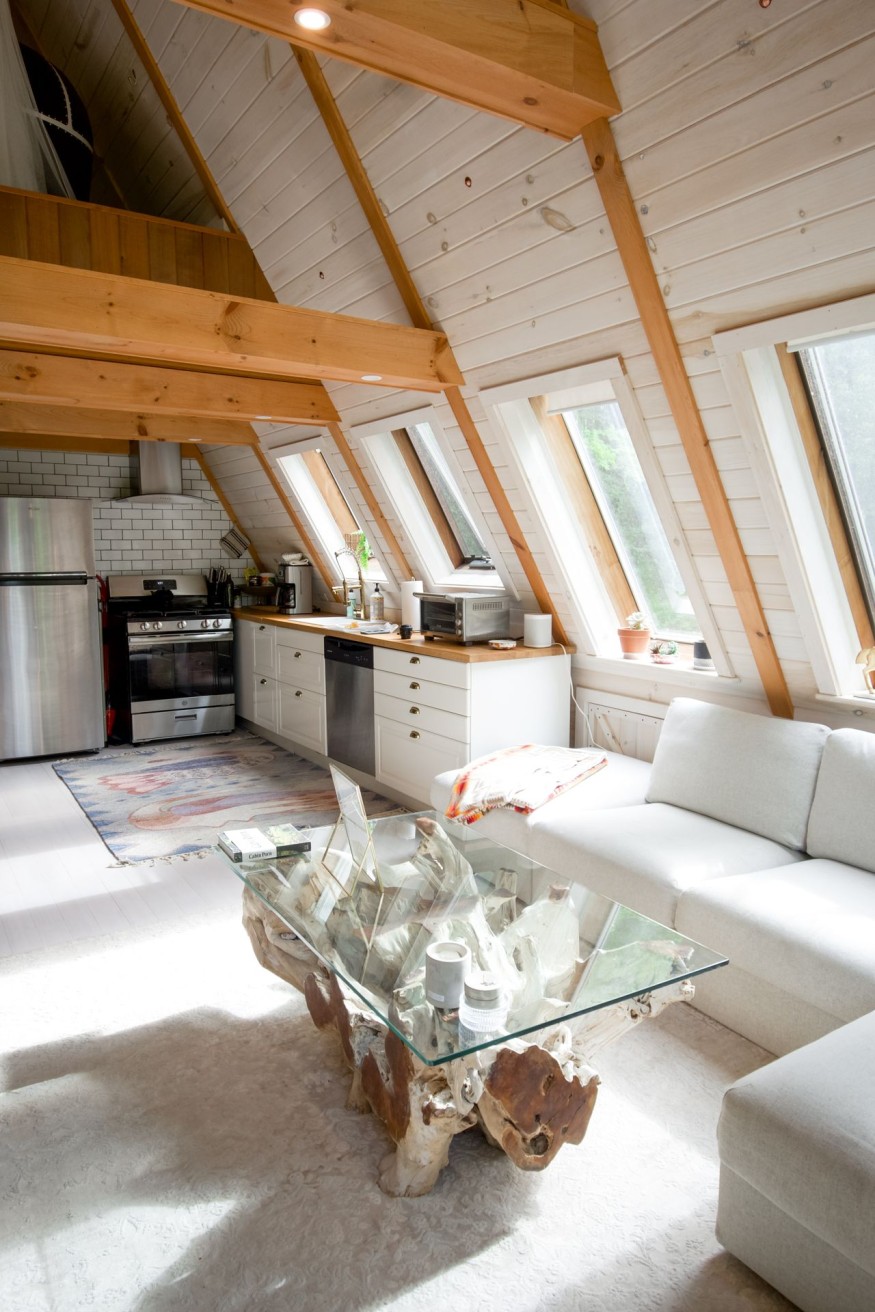
Material selection is another important part of sustainable decorating. Reclaimed wood can give old materials a new application, while recycled metals and glass can keep existing resources in circulation. Natural materials can also be useful when they are responsibly sourced and chosen for appropriate applications.
However, the label "natural" does not automatically make a material sustainable. Durability, sourcing, processing, transportation, maintenance, and eventual disposal all matter. Sustainable interior design therefore benefits from considering a material's complete lifecycle rather than judging it on one characteristic.
How Can a Home Reduce Waste Without Looking Minimalist?
Zero-waste decorating does not require a stark or minimalist aesthetic. A layered home filled with books, artwork, textiles, vintage finds, and collected objects can still follow circular principles.
The key is intentionality. Instead of repeatedly replacing accessories to keep up with trends, homeowners can choose pieces with personal meaning and lasting appeal. Vintage artwork can coexist with contemporary furniture. An inherited cabinet can work alongside a modern sofa. Reclaimed materials can add warmth and texture to an otherwise polished room.
This approach can actually make an interior feel more individual because the focus shifts from buying an entire look to building a space gradually.
How Can Homeowners Make More Sustainable Interior Choices?
A practical starting point is to create an inventory of what already exists in the home. Furniture that is structurally sound may only need cosmetic attention. Items that no longer work in one room might have a purpose elsewhere.
For new purchases, quality and adaptability can take priority over short-lived trends. A dining table that can accommodate different layouts, a sofa with replaceable covers, or a cabinet that can move between rooms can remain useful as household needs change.
Circularity also extends beyond the shopping stage. Proper maintenance, timely repairs, responsible resale, donation, and material recovery can all help keep household goods in use for longer. The goal is not to create a perfectly waste-free home overnight, but to make more thoughtful decisions at every stage.
Build a More Thoughtful Home With Circular Design
A stylish interior does not have to depend on constant replacement. By choosing durable pieces, shopping secondhand, repairing what already exists, and researching sustainable furniture brands, homeowners can create spaces that feel personal while using resources more thoughtfully.
The strongest circular design interior is not necessarily the one filled with the newest sustainable products. It is the one where furniture and materials are given longer, more useful lives. With that mindset, zero waste home decor becomes less about perfection and more about creating a home designed to evolve rather than be repeatedly discarded and replaced.
Frequently Asked Questions
1. What is zero-waste interior design?
Zero-waste interior design focuses on reducing unnecessary consumption and keeping furniture, materials, and decor in use for as long as possible through reuse, repair, refurbishment, and responsible disposal.
2. What makes a furniture brand sustainable?
Sustainable furniture brands typically place greater emphasis on durable construction, responsible material sourcing, transparent manufacturing, repairability, and options for reuse or recovery.
3. How can homeowners create zero waste home decor?
Homeowners can start by repairing existing furniture, shopping secondhand, choosing durable materials, reusing decorative pieces, and avoiding unnecessary purchases.
4. What does circular design mean in interior design?
Circular design interior principles consider a product's entire lifecycle. Furniture and materials are selected or designed to support durability, repair, reuse, adaptability, and eventual material recovery.


Cold Minimalism Is Losing Ground. This Is What Designers Want Instead

The New Desert Architecture Is Designed to Work With the Landscape

Recycled Building Materials Are Becoming Luxury Design Elements

Is 2016 Interior Design Making a Comeback? What the Nostalgia Trend Reveals

The Invisible Design Details That Make a Home Feel More Comfortable


