Smart Playroom Storage Layouts That Make Toy Organization Easier for Kids and Parents
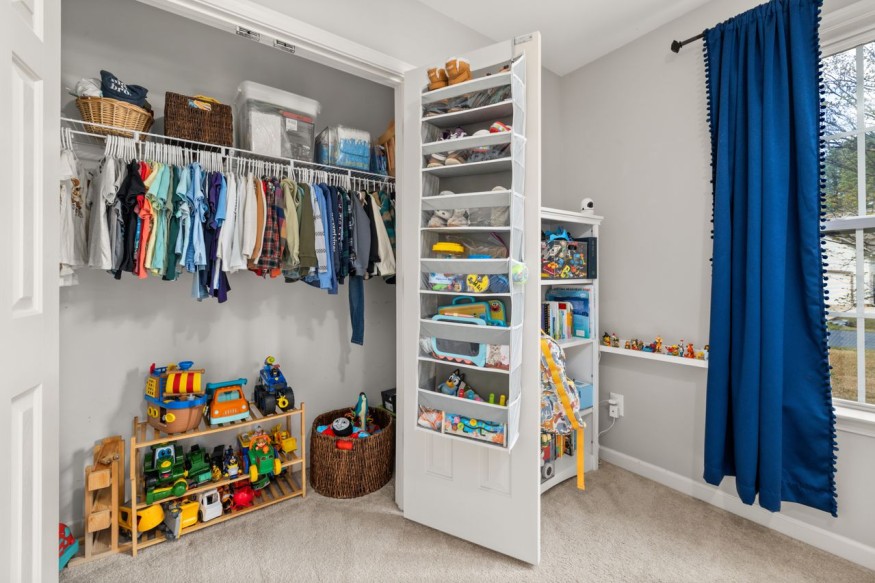
A playroom can quickly become one of the busiest rooms in a home. Between building blocks, stuffed animals, art supplies, books, and games, keeping everything in order can feel like a constant challenge. The right playroom storage ideas can make cleanup easier while helping children understand where their belongings belong.
Good storage is not simply about finding places to hide clutter. It should make toys easy to access, encourage independent cleanup, and work with the way children actually use the room. From open baskets to built-in cabinets, there are plenty of ways to create a more functional play space without making it feel overly structured.
Use Open Bins for Everyday Toy Organization
Open bins are among the simplest solutions for toy organization because children can see and reach their belongings without opening drawers or cabinets. Bins can be assigned to broad categories such as cars, blocks, dolls, stuffed animals, or puzzles.
Low baskets are particularly useful for younger children because they can return toys without needing adult help. Labels with both words and pictures can make the system easier to understand for children who are still learning to read.
Add Wall Storage to Save Floor Space
When floor space is limited, walls can provide valuable storage opportunities. Floating shelves, pegboards, hanging baskets, and wall-mounted cubbies can hold toys without taking up additional floor area.
Frequently used items can be placed at a child's level, while less frequently used toys can go higher. Wall storage can also provide space for displaying favorite books, collectibles, or artwork, helping the playroom feel intentional rather than crowded.
What Is the Best Way to Organize a Playroom?
The most effective approach is to give each type of toy a logical home. Instead of organizing every individual item, similar belongings can be grouped together. This keeps the system simple enough for children to maintain.
A playroom can also be divided into activity zones. A reading corner might have a small bookshelf and cushions, while an arts and crafts area can include a table, supply cart, and dedicated containers. Keeping related items together makes both play and cleanup more straightforward.
Create a Dedicated Space for Books
Books can easily become scattered around a playroom, especially when children browse through several titles at once. A low bookshelf or forward-facing book rack allows children to see their choices while keeping reading materials contained.
A small selection can be displayed at a time, with additional books stored elsewhere. Rotating the collection can keep the reading area interesting without allowing the shelf to become overcrowded.
Can Furniture Double as Toy Storage?
Furniture with hidden storage can be particularly useful when a playroom needs to serve several purposes. Storage benches, ottomans, window seats, and cabinets can conceal toys while providing seating or another practical function.
Closed storage is useful for items that are not needed every day. Open shelving can then be reserved for favorite toys and books. This combination creates a cleaner appearance while keeping the most-used belongings accessible.
Try a Toy Rotation System
A toy rotation system can help control clutter when children have more toys than the room can comfortably hold. Instead of keeping everything available at once, some toys can be stored away and brought back into the room periodically.
This approach can make the playroom easier to clean and give children an opportunity to rediscover toys they have not used recently. Storage containers should be labeled so that switching collections does not become another organizational project.
How Do You Organize a Playroom With Lots of Toys?
A large toy collection benefits from a clear sorting system. Broad categories are generally easier to maintain than highly specific ones. The goal is to make it obvious where something belongs without requiring children to make too many decisions during cleanup.
Useful categories include:
- Building toys and blocks
- Dolls, figures, and pretend-play items
- Books and puzzles
- Arts and crafts supplies
- Balls and larger active-play toys
Storage can then be assigned to each category. Large baskets work well for bulky items, while smaller containers are better suited to craft supplies and tiny pieces.
Make the Most of Awkward Spaces
Unused areas can become valuable parts of a kids room organization plan. The space underneath a bench, beneath a desk, or beside a cabinet can accommodate narrow baskets and rolling carts.
Over-the-door organizers can also hold smaller toys, craft materials, or accessories. For rooms with stairs or unusual architectural features, custom drawers or built-in shelving can turn difficult spaces into useful storage without taking away from the play area.
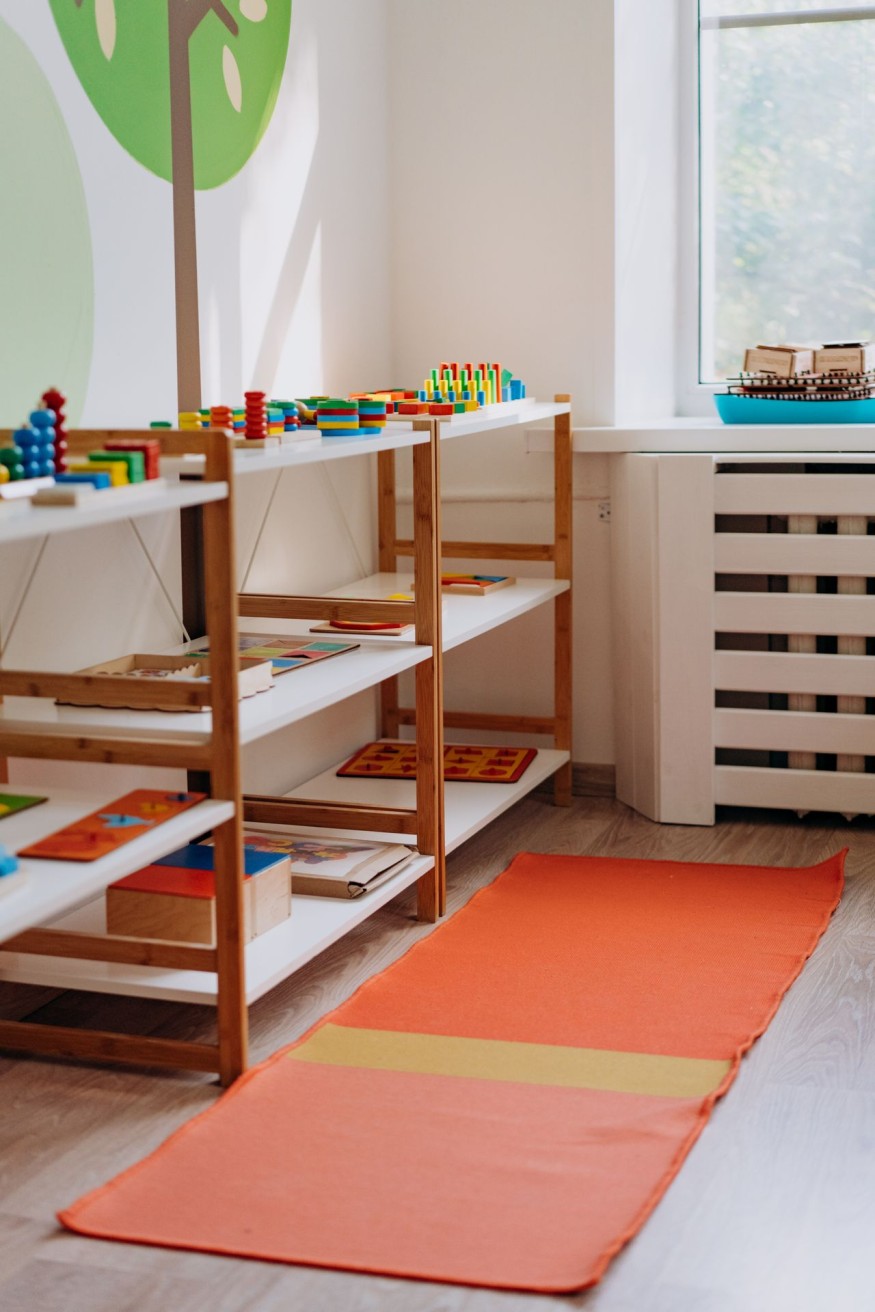
Make Cleanup Easy for Children
A storage system only works when children can realistically use it. Heavy containers, complicated drawers, or shelves that are too high can make cleanup frustrating.
Storage should be placed according to the child's age and abilities. Lightweight baskets, accessible shelves, and simple labels can encourage children to return items after playing. The easier the system is to understand, the more likely it is to become part of the room's everyday routine.
Add a Dedicated Craft Supply Station
Arts and crafts supplies often create some of the most difficult clutter in a playroom. A rolling cart, drawer unit, or compact shelving system can keep paper, crayons, markers, paints, and other materials together.
Frequently used supplies can remain accessible, while materials that require supervision can be stored higher up. Washable containers can also make cleanup easier when creative projects become messy.
Give Stuffed Animals Their Own Home
Stuffed animals can occupy a surprising amount of space when they are left on beds, chairs, and floors. A large basket offers an easy solution and allows children to retrieve their favorites without sorting through a complicated system.
Hanging storage can work well in smaller rooms, while a storage bench can provide a place for stuffed animals while doubling as seating.
A Simpler Playroom Starts With Smarter Storage
The best playroom storage ideas balance accessibility, capacity, and simplicity. Open bins can make everyday toy organization easier, while wall storage, furniture with hidden compartments, and dedicated activity zones can help make better use of available space.
For kids room organization, the most useful system is one that children can understand and maintain. When every toy has an obvious place to go, cleanup becomes less overwhelming and the playroom can remain a welcoming space designed for creativity, exploration, and everyday family life.
Frequently Asked Questions
1. What is the best way to organize a playroom?
The best approach is to group similar toys together and give each category an accessible storage location. Open bins, labeled baskets, shelves, and activity zones can make cleanup easier for children and adults.
2. How do you organize a playroom with lots of toys?
A large collection can be managed by sorting toys into broad categories and using a combination of open and closed storage. Rotating less frequently used toys can also prevent the room from becoming overcrowded.
3. How can children help keep a playroom organized?
Children can participate by returning toys to clearly labeled bins and shelves after playtime. Storage should be lightweight and positioned at an accessible height so children can use the system independently.
4. What storage is best for kids' toys?
The best storage depends on the type of toy and the child's age. Open baskets are useful for everyday items, shelves work well for books and displays, and closed cabinets can conceal larger collections or less frequently used toys.


Cold Minimalism Is Losing Ground. This Is What Designers Want Instead

The New Desert Architecture Is Designed to Work With the Landscape

Is 2016 Interior Design Making a Comeback? What the Nostalgia Trend Reveals

The Invisible Design Details That Make a Home Feel More Comfortable

6 Backsplash Trends for 2027 That Designers Say Will Stand the Test of Time


