The Sunken Bathtub Is the Bold Bathroom Trend Designers Want You to Try
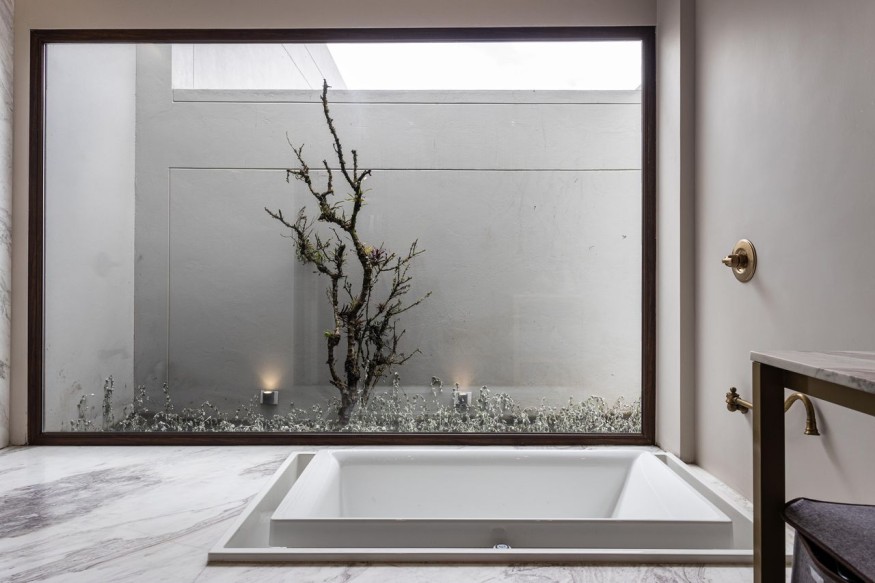
The freestanding bathtub has dominated bathroom design for years, but a more architectural alternative is beginning to make waves. The sunken bathtub is emerging as one of the more distinctive bathroom design trends of 2026, bringing a sense of drama, depth, and old-school glamour to contemporary spaces.
Rather than sitting above the floor as a standalone fixture, a sunken tub is recessed into the floor or a built-up platform, creating a seamless transition between the bathing area and the surrounding architecture. The result can feel less like a traditional bathroom fixture and more like a private spa.
The renewed interest also arrives as designers revisit other immersive architectural features from the past. The conversation pit, for example, has experienced a revival in 2026, with contemporary interpretations emphasizing sophisticated materials and more flexible layouts. That same design philosophy is now finding its way into bathrooms.
What Is a Sunken Bathtub?
A sunken bathtub is a tub installed below the finished floor level or partially recessed into a raised platform. Unlike a conventional freestanding tub, which remains visually separate from the surrounding architecture, a sunken design becomes part of the room itself.
There are several ways to approach the look. Some designs are deeply recessed so the rim sits almost level with the floor, while others are only partially lowered. The latter can offer a similar architectural effect without requiring the same degree of structural alteration.
The concept is not entirely new. Sunken and built-in bathing areas have appeared in luxury homes and hotels for decades, particularly in interiors influenced by mid-century and 1970s design. What feels different now is the way designers are combining that retro idea with contemporary materials, restrained palettes, and spa-inspired details.
Why Is the Sunken Bathtub Trend Back in 2026?
The sunken bathtub trend fits neatly into several larger movements shaping bathroom trends 2026. Homeowners are increasingly treating bathrooms as spaces for relaxation rather than purely functional rooms, while designers are placing greater emphasis on architectural details and tactile materials.
Built-in bathtubs are also experiencing a broader comeback. Apartment Therapy reported in January 2026 that designers were revisiting built-in tubs as a controversial feature, reflecting a wider appetite for bathroom elements that feel more integrated and intentional.
A sunken tub takes that idea further. Instead of simply building a tub into a surround, the floor itself becomes part of the design. Stone, marble, tile, concrete, and other finishes can flow around the bathing area, creating a unified visual effect.
That makes the trend particularly appealing to anyone interested in luxury bathroom design that feels architectural rather than overly decorative.
Is the Sunken Bathtub the New Conversation Pit?
The comparison to the conversation pit is more than a clever design reference. Both concepts use a change in floor height to create a distinct experience within a larger room.
Conversation pits became associated with mid-century interiors because they created intimate, social areas without relying on walls. Their recent revival has brought the idea back into contemporary interiors, often with cleaner lines and updated materials.
A sunken bath applies a similar principle to personal space. The lowered position visually separates the bathtub from the rest of the bathroom while keeping it connected to the overall room.
The result can feel cocooning without making the bathroom feel enclosed. It also gives the tub a stronger architectural presence than a standard freestanding model.
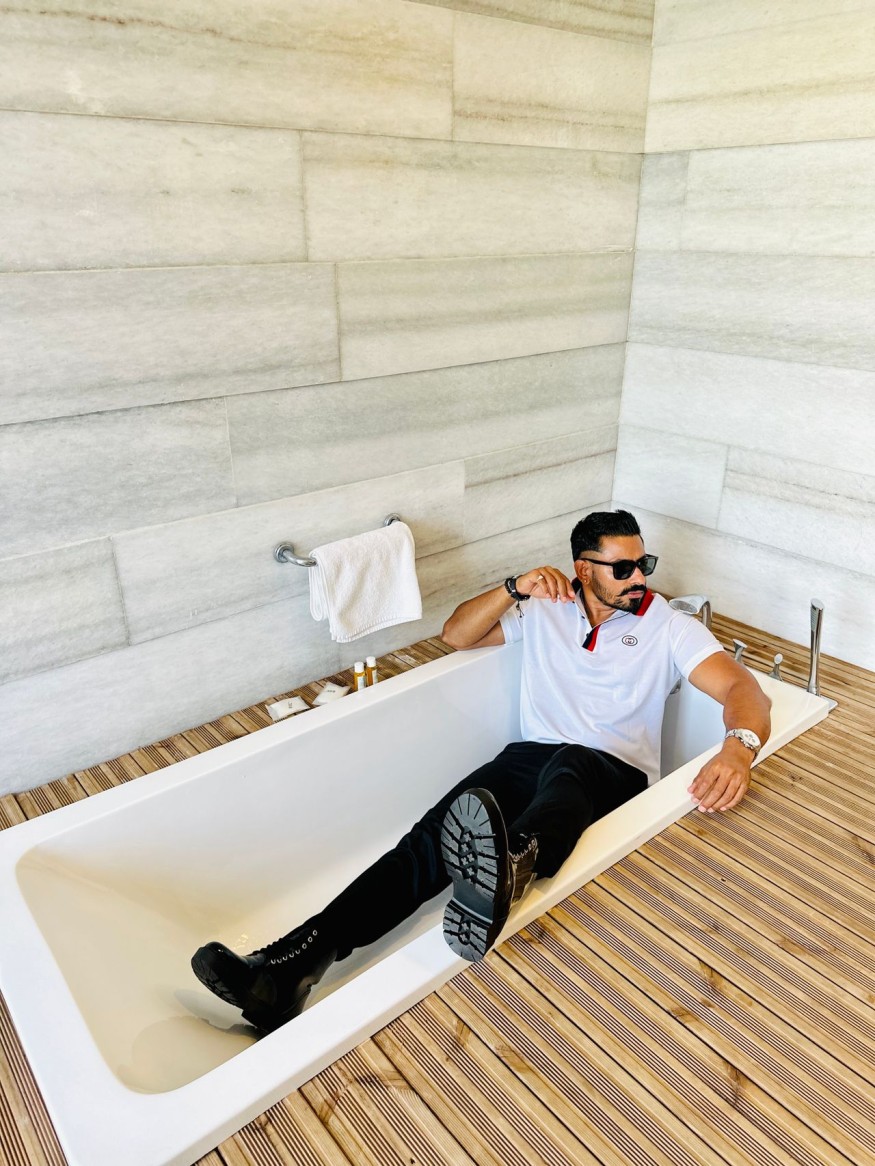
What Are the Benefits of a Sunken Bathroom?
The appeal of a sunken bathroom goes beyond aesthetics. When properly planned, the design can change the proportions and atmosphere of the entire room.
- A stronger focal point: The recessed tub can become the architectural centerpiece of the bathroom.
- A seamless appearance: Surrounding tile or stone can continue into the bathing area, creating a cohesive finish.
- A spa-like atmosphere: Being slightly lowered into the floor can make the bathing area feel secluded and immersive.
- More design flexibility: Built-in construction allows designers to experiment with unusual shapes, materials, steps, ledges, and lighting.
- A distinctive retro influence: The design references vintage interiors without requiring a bathroom to look traditionally retro.
What Are the Downsides of a Sunken Bathtub?
The dramatic appearance comes with practical considerations. A sunken tub is generally not a simple fixture replacement because the installation can involve flooring, plumbing, drainage, waterproofing, and structural planning.
A fully recessed bathtub may require particularly careful consideration of the floor structure and access to plumbing. The weight of a filled tub can also be substantial, making structural assessment important before construction.
Safety is another consideration. Changes in floor height can create tripping risks, particularly in bathrooms where floors may already become wet. Adequate lighting, carefully designed steps, slip-resistant surfaces, and sensible placement can help address those concerns.
Accessibility should also be considered from the beginning. A design that looks spectacular in a photograph may not be suitable for every household.
Could the Sunken Bathtub Define Bathroom Design in 2026?
The sunken bathtub may not replace the freestanding tub for everyone, but its appeal is easy to understand. It turns a familiar bathroom fixture into an architectural feature and taps into the same immersive quality that has helped bring the conversation pit back into contemporary interiors.
As bathroom design trends continue moving toward personalized, spa-inspired spaces, the sunken bathtub trend offers a particularly bold interpretation. It requires more planning than a conventional tub, but for homeowners willing to make the bathroom part of the architecture, the result can be memorable, luxurious, and distinctly different.
Frequently Asked Questions
1. Are sunken bathtubs still popular in 2026?
Yes. Sunken and built-in bathtubs are receiving renewed attention as part of the broader return to architectural and retro-influenced bathroom design. The trend is particularly suited to custom renovations and luxury interiors.
2. Are sunken bathtubs expensive to install?
They can be more involved than standard bathtub installations because the project may require changes to flooring, plumbing, drainage, waterproofing, and structural elements. The final cost depends heavily on the home's existing construction and the type of recess being created.
3. Are sunken bathtubs safe?
They can be safe when properly designed, but the change in floor height requires careful attention to lighting, steps, wet surfaces, and accessibility. Professional planning is especially important for a fully recessed installation.
4. Can a sunken bathtub work in a small bathroom?
Yes, although the feasibility depends on the room's structure and layout. A partially recessed design can create some of the visual impact of a sunken tub while potentially requiring less structural modification.


How Decorative Window Film Can Transform Awkward Windows Into a Stylish Design

The Designer-Friendly Way to Make Halloween Decor Fit Your Home

Architectural Louvers Explained: Why Modern Buildings Use This Simple Feature

What Is the Best Material for a Birdhouse? Experts Recommend These Options

Dunn-Edwards' 2027 Color of the Year Is a Rich Brown With a Subtle Plum Undertone


