The Art of Nostalgic Decorating: How to Make Vintage Style Feel Modern
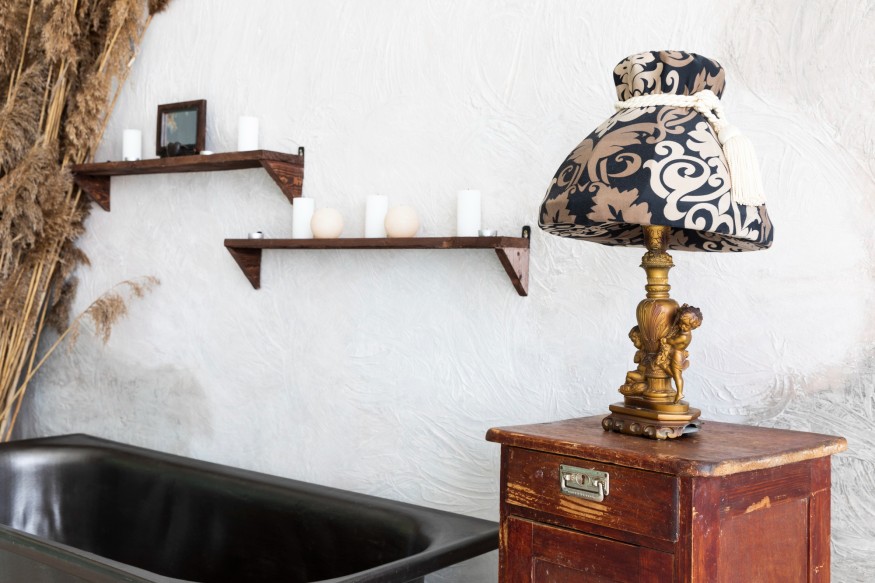
Nostalgia has a special place in interior design. From inherited furniture and familiar floral patterns to vintage ceramics and traditional wood finishes, elements associated with the past can make a home feel more personal and welcoming. These details introduce character that mass-produced furnishings and perfectly coordinated interiors sometimes lack.
However, decorating with nostalgic influences does not mean recreating an entire room from another decade. An interior filled exclusively with antique furniture, dated patterns, and period-specific accessories can quickly feel more like a historical recreation than a comfortable contemporary home.
The most successful approach is to combine meaningful older elements with modern furnishings, thoughtful color choices, and updated styling. This allows homeowners to celebrate familiar design details while creating spaces that feel relevant to everyday life.
6 Ways to Embrace Nostalgia Without Making a Home Look Dated
1. Mix Vintage Furniture With Contemporary Pieces
One of the easiest ways to introduce nostalgia is through furniture with history. An antique wooden cabinet, vintage dining table, or inherited armchair can bring warmth and individuality to a room.
However, furnishing an entire space with pieces from the same period can make the overall design feel overly themed. Instead, combine one or two vintage statement pieces with contemporary furniture.
For example, a traditional wooden dining table can look fresh when paired with streamlined upholstered chairs. Similarly, an antique dresser can become a focal point in a bedroom when styled with modern artwork and simple lighting.
The contrast makes older pieces feel intentional rather than outdated.
2. Bring Back Familiar Patterns in Updated Ways
Florals, gingham, stripes, toile, and traditional checks can introduce a nostalgic atmosphere. These patterns often evoke familiar domestic settings and can make a room feel more relaxed and inviting.
The key is controlling how much pattern appears in one space. Rather than covering every wall and furnishing with competing prints, choose one prominent patterned element.
A floral cushion arrangement, checked upholstered chair, or vintage-inspired wallpaper can provide enough visual interest. Pairing these details with solid-colored upholstery and contemporary accessories keeps the overall composition balanced.
Color also makes a difference. Softer, more restrained interpretations of traditional patterns often feel easier to incorporate into modern interiors than highly saturated combinations.
3. Display Sentimental Objects With Intention
Nostalgic decorating is particularly effective when it involves objects that carry personal meaning. Family photographs, inherited ceramics, travel souvenirs, old books, and treasured collectibles can make a home feel individual.
However, displaying every sentimental item at once can create unnecessary visual clutter. A more thoughtful approach is to curate collections and give important objects enough space to stand out.
For example, a small group of vintage photographs can be displayed in coordinated contemporary frames. Antique glassware can be arranged on an open shelf alongside modern ceramics, while a collection of old books can add color and texture to a minimalist living room.
The objective is to make meaningful belongings part of the design rather than treating them as miscellaneous decorations.
4. Choose Traditional Materials With Modern Finishes
Natural materials often create the strongest connection between traditional and contemporary interiors. Solid wood, linen, wool, leather, stone, brass, and ceramics have enduring appeal because they develop character over time.
Rather than using these materials in a strictly traditional way, homeowners can incorporate them through contemporary silhouettes and finishes.
A vintage wooden coffee table, for instance, can complement a modern sofa. A traditional brass lamp can introduce warmth to a minimalist bedside arrangement, while linen curtains can soften an otherwise streamlined living space.
Mixing different textures also prevents nostalgic interiors from looking overly formal. Natural materials bring depth without requiring elaborate ornamentation.
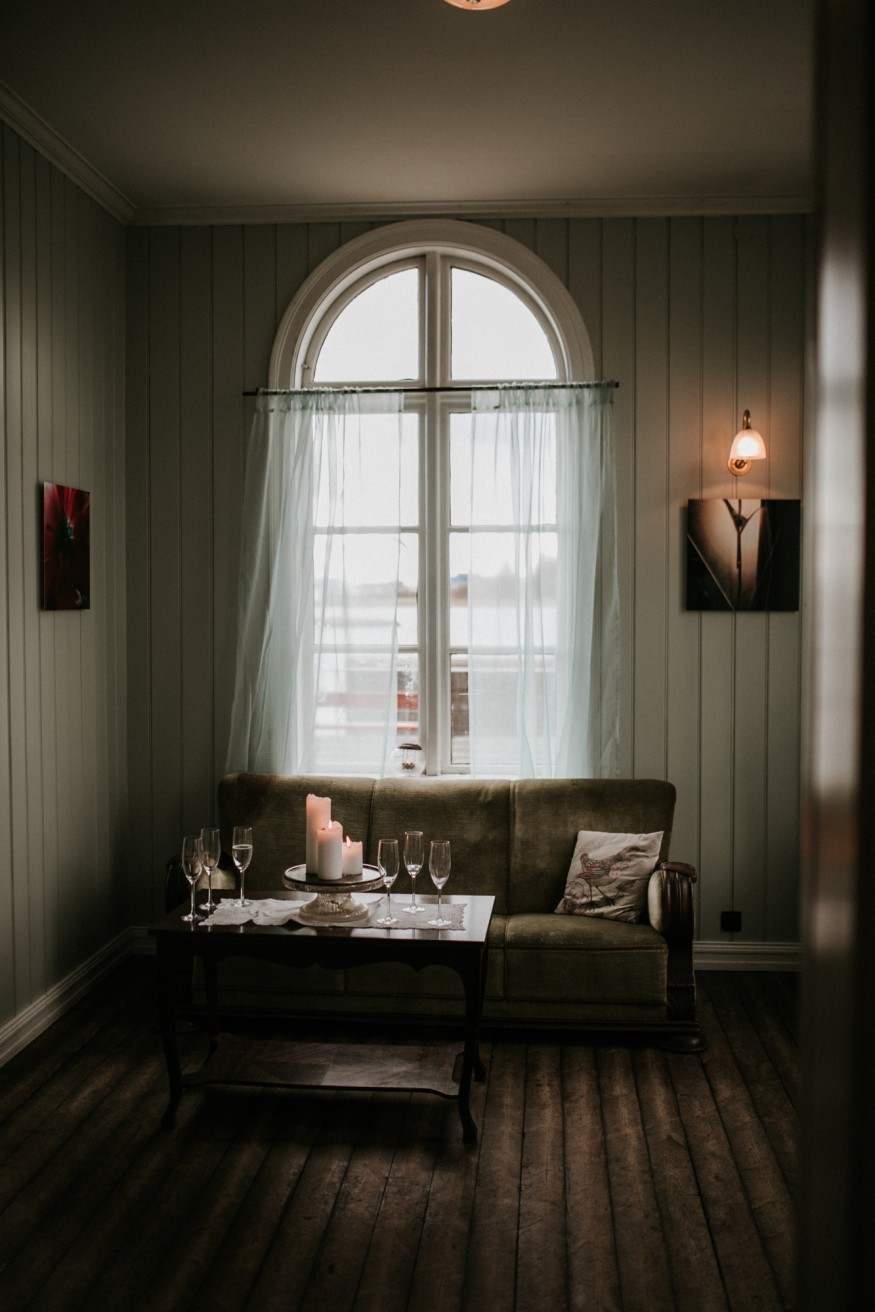
5. Update Traditional Colors for a More Contemporary Look
Certain colors immediately evoke particular design periods. Dusty pink, muted sage, butter yellow, burgundy, warm brown, and faded blue can all introduce nostalgic character.
These shades do not have to make a room feel old-fashioned. Their effect depends on how they are combined.
For example, a muted sage-green wall can feel contemporary when paired with pale wood furniture and simple silhouettes. Dusty pink upholstery can look sophisticated alongside warm neutrals, while burgundy accessories can introduce richness into a room dominated by cream and beige.
Keeping the overall palette controlled allows nostalgic colors to feel considered rather than overly decorative.
6. Combine Vintage Lighting With Modern Layering
Lighting can dramatically influence whether a room feels contemporary or dated. Traditional lamps, pleated fabric shades, vintage chandeliers, and decorative wall sconces can introduce a nostalgic quality, but they work best when incorporated into a layered lighting plan.
A vintage table lamp can sit alongside contemporary recessed lighting, for example. An antique chandelier can become the centerpiece of a dining room without requiring every other fixture to follow the same period.
Soft ambient lighting, task lighting, and accent lighting also make a room more functional. This combination allows decorative fixtures to contribute to the atmosphere without becoming the only source of illumination.
The Secret Is Balancing Old and New
Nostalgic interiors are most successful when they feel collected rather than recreated. Instead of following one historical style too closely, homeowners can combine pieces from different periods according to their proportions, materials, and visual impact.
This approach also makes decorating more flexible. A treasured antique can remain part of a home even as furniture, paint colors, and accessories change over time.
For additional inspiration, Martha Stewart's guide to blending vintage and modern decor explores how older furnishings can work alongside contemporary pieces. The broader principle is simple: allow vintage objects to bring character while modern elements provide balance.
It is equally important to avoid confusing nostalgia with clutter. A home does not need to display every inherited object or decorative item to feel meaningful. Editing a collection, preserving open surfaces, and allowing statement pieces to breathe can make the difference between a thoughtfully layered interior and an overcrowded one.
Ultimately, nostalgia should make a home feel more connected to the people who live in it. The best interiors borrow from the past without becoming trapped in it, creating rooms that feel comfortable, personal, and unmistakably current.
Frequently Asked Questions
1. How can a home look vintage but still modern?
Combine selected vintage furniture and accessories with contemporary lighting, streamlined furnishings, and a restrained color palette. The contrast creates a layered look without making the space feel tied to one period.
2. What vintage decor items are easiest to incorporate?
Vintage mirrors, wooden furniture, ceramics, framed photographs, decorative lamps, and antique books are relatively easy to introduce. These objects can add character without requiring a complete room makeover.
3. Can floral patterns look modern?
Yes. Floral patterns can feel contemporary when used selectively and paired with simpler furnishings. Muted colors, smaller-scale prints, and clean-lined furniture help create balance.
4. How do you decorate with family heirlooms without creating clutter?
Choose a few meaningful pieces to display at a time. Group similar objects thoughtfully, rotate collections when necessary, and give particularly special items enough space to stand out.


IKEA Reveals Its 2027 Color of the Year, and It's a Bold New Direction for Interiors

Brussels Furniture Fair 2026 Showcases New Collections and European Design

Lady Gaga's Former NYC Penthouse in the Historic Hit Factory Lists for $6.995 Million

2027 Home Trends: The Design Features Zillow Says Are Gaining Popularity

Designers Reveal the Old-School Decorating Trends Gen Z Is Moving Away From


