When Should You Stop Pruning Plants? Landscaping Experts Explain
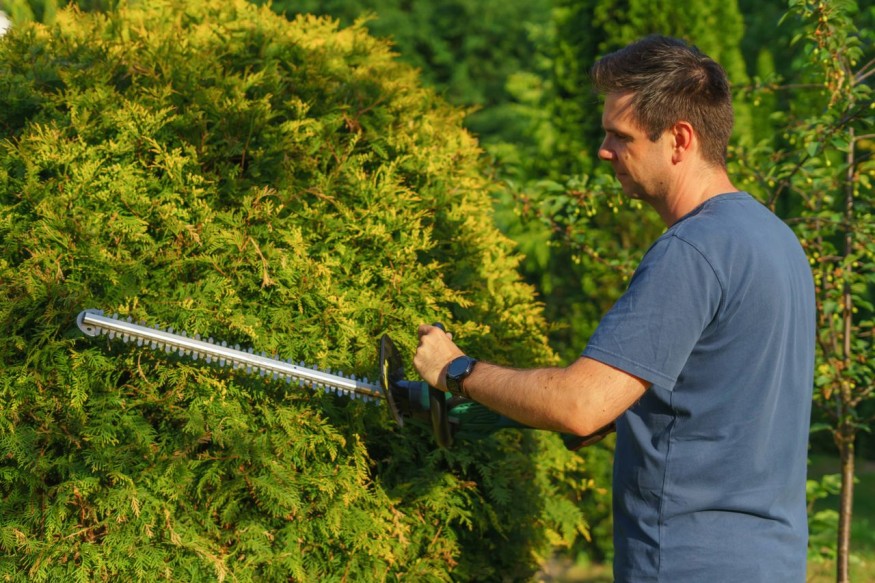
As summer fades into fall, it can be tempting to give the garden one final major cleanup. But while removing dead or unruly growth can make a landscape look tidier, pruning at the wrong time can interfere with flowering, expose new growth to cold weather, or remove structures that benefit wildlife during winter.
There is no single calendar date when every plant should stop being pruned. The correct timing depends on the species, flowering cycle, climate, and whether the plant blooms on old or new wood.
The safest approach is to think about the plant's growth cycle rather than simply the season.
The Biggest Rule: Know When the Plant Blooms
Landscaping experts recommend paying close attention to flowering time before picking up the pruning shears.
Plants that bloom on old wood generally produce their flower buds on growth from the previous season. Pruning them too late can remove the following year's flower buds.
Plants that bloom on new wood are different. These generally produce flowers on growth developed during the current growing season and can often be pruned during dormancy or in early spring.
Martha Stewart's gardening experts recommend using bloom times as a practical way to establish a pruning calendar rather than relying on a single seasonal deadline.
That distinction is particularly important in autumn, when many plants are beginning to slow their growth.
When to Stop Pruning Trees
Trees require a more cautious approach because improper pruning can cause significant structural problems.
Many deciduous trees are best pruned during winter dormancy or around the period when new growth begins, depending on species. The Royal Horticultural Society notes that many deciduous trees are pruned in winter, although there are important exceptions.
That means fall is not automatically the ideal time for a major structural pruning session.
Dead, damaged, or diseased branches can generally require attention when they are noticed, particularly if they pose a safety risk. Large branches, trees near structures, and branches that are difficult to reach are better handled by a qualified arborist.
For homeowners maintaining a landscape with mature trees, it is useful to make safety the priority rather than trying to complete every pruning task before winter.
Gardeners looking for broader outdoor-maintenance ideas can also explore these low-maintenance landscaping ideas.
When to Stop Pruning Shrubs
Shrubs are even more dependent on their individual flowering cycles.
Spring-flowering shrubs such as azaleas, lilacs, and some spiraeas generally bloom on older wood. According to gardening experts, these should typically be pruned after flowering rather than heavily cut back in fall.
Summer- and autumn-flowering shrubs can follow a different schedule. The RHS recommends pruning many late-flowering shrubs in spring because they produce flowers on the current season's growth.
This is why a blanket rule such as "stop pruning after September" can be misleading. A gardener's location and plant selection matter considerably.
Hydrangeas are a good example. Different types require different pruning schedules, so identifying the specific variety before cutting is essential.
Be Careful With Fall Cutbacks
Fall cleanup does not necessarily mean everything should be cut to the ground.
Many gardeners prefer to leave ornamental grasses, seed heads, and dead perennial stems standing through winter. These structures can add texture to the landscape while also providing habitat and food sources for insects and birds.
The RHS specifically notes that deciduous ornamental grasses are generally cut back in early to mid-spring rather than immediately in autumn because their old growth can provide winter structure and protection.
Martha Stewart's gardening experts similarly recommend leaving some dead perennials in place through winter, particularly when they provide habitat and visual interest.
This approach can also make the garden look more natural during a season when many plants have lost their foliage.
What About Evergreen Shrubs?
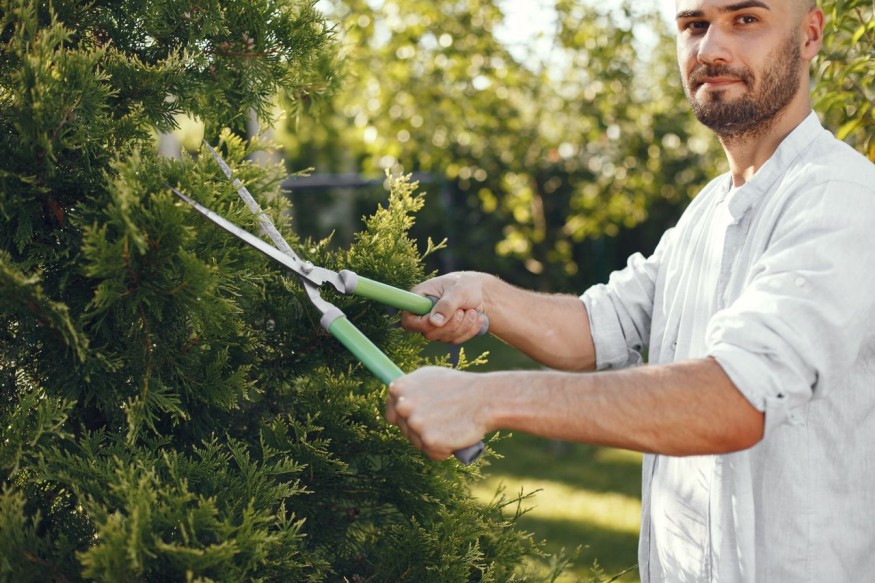
Evergreens require their own consideration. The RHS cautions that pruning evergreen trees and shrubs during autumn and winter can potentially damage plants because they may be unable to regrow properly during colder conditions. In many cases, pruning after flowering or in late winter and early spring is preferable.
Gardeners should therefore resist the urge to treat evergreen shrubs exactly like deciduous ones. If an evergreen has become overgrown, identify the plant first and research its specific pruning requirements before making substantial cuts.
When Can You Safely Keep Pruning?
There are situations when pruning remains appropriate even as the season changes.
Removing dead, diseased, or damaged growth can be necessary regardless of the time of year. Branches blocking paths or creating an immediate safety concern may also need attention.
The key difference is between corrective pruning and aggressive shaping. Removing a hazardous branch is not the same as cutting an entire shrub into a new shape just because the garden is being prepared for winter.
For larger plants, experts also recommend avoiding excessive removal at once. Martha Stewart's gardening experts suggest generally avoiding pruning more than about 25 percent of a plant or tree at a time.
A Better Fall Gardening Strategy
Instead of trying to finish every pruning task before winter, use fall to assess the landscape.
Identify plants that have finished flowering, mark which shrubs bloom on old wood, and note which trees require dormant-season pruning. Remove genuinely damaged material and leave beneficial seed heads and stems where appropriate.
Gardeners can also focus on other seasonal work, including mulching, cleaning tools, removing diseased plant material, and preparing vulnerable plants for colder weather.
For more seasonal garden inspiration, these backyard landscaping ideas for privacy and structure offer another way to think about the landscape beyond routine maintenance.
Ultimately, knowing when to stop pruning is less about putting away the shears on a particular date and more about understanding what each plant needs. A little restraint in fall can help preserve next year's flowers, protect new growth, and leave the garden better prepared for its winter rest.
Frequently Asked Questions
1. Should I stop pruning everything in fall?
No. Pruning schedules vary by plant. Dead, diseased, or hazardous growth may need to be removed, while major pruning for many plants is better saved for a more appropriate season.
2. When should spring-flowering shrubs be pruned?
Many spring-flowering shrubs should be pruned shortly after flowering because they often bloom on old wood.
3. Should ornamental grasses be cut back in fall?
Many deciduous ornamental grasses can be left standing through winter and cut back in early spring. Their stems can provide winter structure and habitat.
4. Can evergreen shrubs be pruned in fall?
It depends on the species, but heavy fall and winter pruning can be problematic for some evergreens. Check the specific plant's pruning requirements before cutting.


Bold Patterns, Warm Colors, and Festive Entrances Are Shaping This Season's Home Trends

Malibu's Celebrity Real Estate Market Faces New Challenges From Coastal Erosion

A Room-by-Room Guide to Better Home Lighting With the Right Lamps

Year-Round Garden Design: How to Create a Landscape With Lasting Interest

Built-In Wall Niche Ideas That Make Awkward Recesses Look Intentional


