Tennis-Core Home Decor Is Having a Moment: How to Get the Look Without Going Too Far
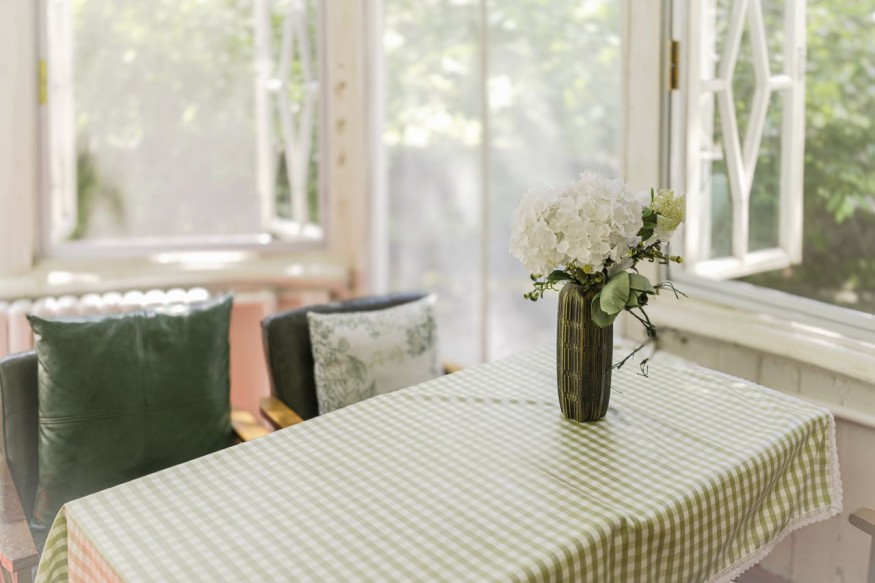
Tennis has moved well beyond the court when it comes to design inspiration. The sport's distinctive combination of crisp whites, leafy greens, traditional clubhouses, vintage equipment, stripes, and relaxed preppy style has translated into interiors that feel nostalgic without necessarily looking themed.
Known as tennis-core, the aesthetic has been gaining attention alongside other lifestyle-driven design movements. House Beautiful recently described the trend as a blend of East Coast prep, retro sports nostalgia, and clean, minimalist design, with designers recommending restraint rather than filling a room with obvious tennis references.
For homeowners interested in the tennis aesthetic, the appeal is less about literally decorating with tennis equipment and more about borrowing the atmosphere surrounding the sport. The look can be polished, relaxed, traditional, and playful at the same time.
What Is Tennis-Core?
Tennis-core takes visual cues from tennis clubs and the broader lifestyle associated with the sport. Green and white color combinations, striped awnings, vintage racquets, woven textures, classic furniture silhouettes, and tailored fabrics are among its recognizable elements.
The aesthetic overlaps with preppy home decor and quiet traditional interiors, which helps explain why it can work beyond a child's bedroom or dedicated sports room. A tennis-inspired home can still look sophisticated when sporting references are balanced with conventional furnishings.
The trend also fits into a broader interest in interiors that evoke leisure and outdoor socializing. Rather than looking overly formal, tennis-core can create the feeling of a comfortable clubhouse where people gather after spending time outside.
Read more: Biophilic Interior Design Explained: Why Indoor Plants Home Decor & Nature-Inspired Interiors Matter
How Can Tennis Decor Look Sophisticated?
The easiest way to make tennis decor feel sophisticated is to avoid treating the room like a themed space. A few carefully selected references can establish the aesthetic without overwhelming the rest of the interior.
Five tasteful ways to introduce the trend:
- Start with green and white: Use leafy greens, warm whites, and cream as the foundation instead of relying on bright sports colors throughout the room.
- Add vintage sporting pieces: A framed vintage racquet, old tennis photograph, or traditional sporting print can provide character without becoming the room's only focal point.
- Use stripes selectively: Green and white or navy and cream stripes can reference tennis-club awnings and traditional sportswear while remaining appropriate for everyday interiors.
- Layer natural materials: Rattan, wicker, wood, linen, and cotton help soften the preppy elements and keep the space from feeling overly polished.
- Choose one playful reference: A tennis-inspired pillow, framed print, or small accessory can provide personality without making every element reference the court.
The restraint is important because tennis-core works best when its references are recognizable but not overwhelming. Designers quoted by House Beautiful have similarly emphasized using tennis details selectively and incorporating vintage pieces alongside more traditional furnishings.
Bring in the Clubhouse Feeling
One of the strongest ways to interpret tennis-core is to focus on the atmosphere of a traditional tennis club rather than the game itself. That can mean comfortable seating, woven furniture, painted wood, classic lamps, framed photography, and relaxed textiles.
A breakfast nook with a striped cushion, a wicker chair beside a window, or a green-painted console can establish the look without requiring a single tennis ball or racquet.
This approach also makes the trend easier to incorporate into existing rooms. Instead of replacing an entire living room, homeowners can introduce a few pieces that complement what is already there.
Vintage Details Work Particularly Well
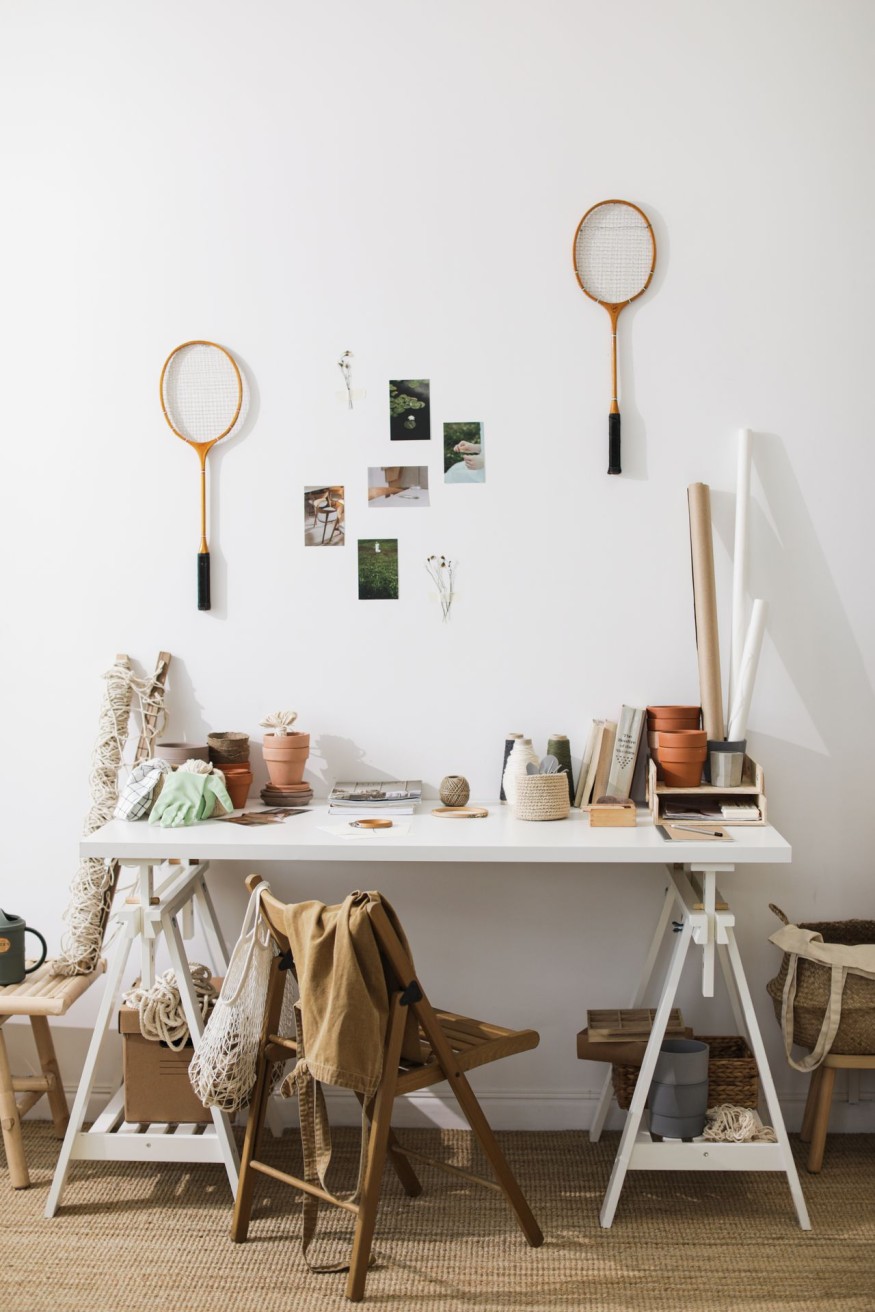
Vintage objects can give tennis-inspired interiors a sense of authenticity. Old racquets, sporting photographs, framed illustrations, trophies, or traditional clubhouse memorabilia can serve as decorative accents.
The key is to treat these objects as art or collected pieces rather than merchandise. A single racquet displayed against a painted wall can be more effective than a collection of obviously themed accessories.
Vintage furniture can also complement the aesthetic. A traditional wood chair, antique side table, or woven bench can reinforce the nostalgic quality of the trend without making the room feel dated.
Keep the Color Palette Flexible
Green and white are the most recognizable colors associated with tennis-core, but they do not have to be used literally. Softer sage, olive, moss, cream, and warm white can create a more residential interpretation.
Navy is another natural choice, particularly when paired with cream or natural wood. Small amounts of yellow can add energy, while terracotta or warm brown can make the palette feel less sporty.
The best color scheme depends on the existing architecture and furnishings. A historic home may suit deeper greens and traditional patterns, while a contemporary apartment could benefit from a simpler combination of white, sage, and natural wood.
Why Tennis-Core Has Staying Power
The appeal of tennis-core may have less to do with tennis itself than with the lifestyle it represents. It evokes outdoor recreation, social spaces, traditional architecture, and a slower approach to leisure.
That makes it adaptable. The same design language can appear in a bedroom, sunroom, entryway, patio, or living room without requiring a major renovation.
Rather than following the trend literally, homeowners can take the elements that suit their homes and leave the rest. That is ultimately what keeps tennis-inspired interiors from becoming dated.
A More Timeless Way to Rally Behind Tennis-Core
Tennis-core works best when it feels like a natural extension of a home's existing style. Green and white textiles, traditional furniture, vintage sporting artwork, natural materials, and a few playful references can create the aesthetic without turning the room into a themed set.
For homeowners who enjoy preppy interiors or traditional design, the trend can be especially easy to adopt. The goal is not to make every detail say "tennis." Instead, it is to capture the relaxed, polished atmosphere associated with the sport and make it feel at home.
Frequently Asked Questions
1. What is tennis-core in interior design?
Tennis-core is an interior style inspired by tennis culture, traditional clubhouses, preppy design, vintage sporting elements, and colors such as green, white, and navy.
2. How can tennis decor be used without looking childish?
Using one or two sporting references alongside traditional furniture, natural materials, and restrained colors can keep tennis decor sophisticated.
3. What colors work best for tennis-inspired interiors?
Green, white, cream, navy, sage, and natural wood tones work particularly well for a residential interpretation of tennis-core.
4. Is tennis-core still a trend in 2026?
Yes. Recent interior design coverage continues to identify tennis-core as a relevant aesthetic, particularly as interest in sports-inspired and nostalgic interiors continues.


Bold Patterns, Warm Colors, and Festive Entrances Are Shaping This Season's Home Trends

C2 Paint's 2027 Color of the Year Is a Warm, Rosy Shade With Earthy Appeal

Shanghai Grand Opera House by Snøhetta Debuts Along the Huangpu River

Sad Beige Baby Trend: Why Neutral Nurseries Are Dividing Parents and Designers

Halle Berry's Longtime Sunset Strip Home Hits the Market for Nearly $12 Million


